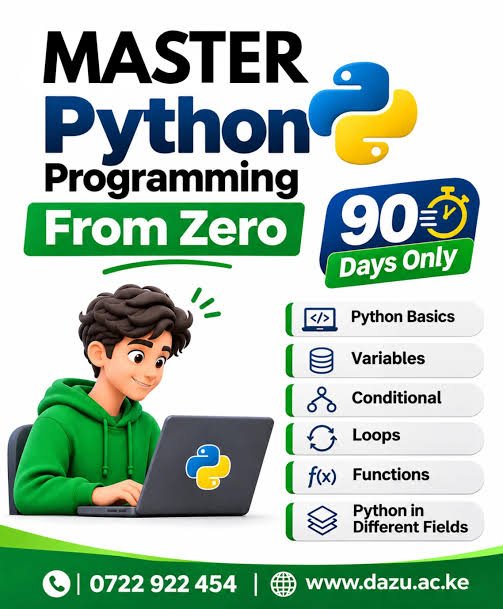
Join the best Python programming course in Nairobi at DAZU Training Institute. Learn coding, Django, databases and automation through practical projects.
https://www.tiktok.com/@dazuhub/video/7710746256003403016
Python Course in Nairobi: Master Practical Coding Skills
Nairobi has established itself as one of Africa's leading technology and innovation hubs. From financial technology companies and software startups to established businesses and international organisations, the demand for skilled programmers continues to create opportunities for people with practical software development skills.
One of the most valuable programming languages to learn is Python.
Python is widely used in software development, artificial intelligence, data science, machine learning, cybersecurity and business automation. Its simple syntax makes it an excellent starting point for beginners, while its powerful libraries and frameworks make it suitable for building advanced applications.
Whether you are a student, graduate, job seeker or professional looking to transition into technology, enrolling in a practical Python course in Nairobi can help you develop the programming skills needed to participate in the growing digital economy.
At DAZU Training Institute, we focus on practical technology education, helping learners move beyond theoretical knowledge to understand how to write code, solve problems and develop functional software applications.
If you want to learn programming from the foundations and progress towards building real-world applications, Python is an excellent place to start.
Why Learn Python Programming in Nairobi?
Python has become an important programming language across different industries. Its flexibility allows developers to build applications, automate business operations, analyse information and develop intelligent systems.
Here are five reasons to consider learning Python.
1. High Demand Across Different Technology Industries
Python is used in several areas of technology, including:
Software and web application development.
Artificial Intelligence and Machine Learning.
Data Science and Data Analytics.
Cybersecurity and security automation.
Business process automation.
Backend development and API integrations.
Learning Python gives you a foundation that can be applied across multiple technology specialisations.
2. Beginner-Friendly Programming Language
Unlike some programming languages with complex syntax, Python is relatively easy to read and understand.
Beginners can start with simple programs and gradually progress towards more advanced programming concepts.
You do not need to be an experienced programmer to begin learning Python.
3. Opportunities in Kenya and International Markets
Businesses increasingly depend on software applications, digital platforms and automated systems.
Python skills can help you explore opportunities in software development, data analysis, automation and other technical fields.
You can also develop projects and build a portfolio that demonstrates your abilities to potential employers and clients.
4. A Foundation for Artificial Intelligence
Python is one of the major programming languages used in artificial intelligence and machine learning.
Libraries such as Pandas, NumPy, TensorFlow and Scikit-learn support different AI and data science applications.
By learning Python, you establish a strong foundation for progressing into advanced technology fields.
5. Build Your Own Software and Applications
Python allows you to develop practical solutions instead of relying entirely on existing software.
You can build:
Business management systems.
Website backends.
Inventory applications.
Automated reporting tools.
Database-driven applications.
REST APIs.
Data analysis applications.
What You Will Learn in a Practical Python Course
A good Python programming course should combine theoretical understanding with practical coding exercises and projects.
At DAZU Training Institute, the learning journey should help beginners understand programming fundamentals before progressing towards more advanced software development concepts.
Module 1: Python Programming Fundamentals
Start by understanding how programming works and how to write your first Python programs.
Topics include:
Introduction to programming and Python.
Installing Python and setting up development environments.
Variables and data types.
Operators and expressions.
Conditional statements.
Loops and iterations.
Lists, tuples, dictionaries and sets.
Functions and modules.
Exception handling.
File handling.
Practical project: Build a simple student grading system that accepts student marks, calculates averages and generates performance reports.
Module 2: Object-Oriented Programming (OOP)
Object-Oriented Programming helps developers organise code into reusable components.
Learn how to create structured applications using:
Classes and objects.
Constructors.
Attributes and methods.
Encapsulation.
Inheritance.
Polymorphism.
Abstraction.
Code reusability.
Practical project: Develop a simple banking application that allows users to create accounts, deposit money, withdraw money and check balances.
Module 3: Database Integration
Most modern applications require databases to store and retrieve information.
Learn how Python communicates with databases and manages application data.
Topics include:
Introduction to databases.
SQL fundamentals.
Database creation and management.
CRUD operations.
Connecting Python to MySQL or PostgreSQL.
Database queries.
Data validation.
Managing application records.
Practical project: Create a student registration system that stores student information in a database and allows users to add, update, search and delete records.
Module 4: Web Development with Django and Flask
Learn how Python can be used to build the backend of modern websites and web applications.
Django
Django is a powerful Python web framework used to develop database-driven web applications.
Learn:
Django project structure.
Models and database relationships.
Views and URL routing.
Templates.
User authentication.
Forms and validation.
Django administration.
Building web applications.
Flask
Flask is a lightweight Python framework suitable for building smaller web applications and APIs.
Learn:
Flask application setup.
Routes and request handling.
Working with templates.
Database connections.
REST API fundamentals.
Building lightweight backend applications.
Practical project: Develop a functional student management system with user authentication and database integration.
Module 5: Python for Data Analysis
Python is widely used to analyse and interpret information.
Learn how to work with important data science libraries.
NumPy: Perform numerical calculations and work with arrays.
Pandas: Clean, organise, manipulate and analyse datasets.
Matplotlib: Create charts and visual representations of information.
Seaborn: Explore statistical data visualisation.
Practical project: Analyse a business sales dataset, identify sales trends and generate visual reports.
Module 6: Automation and Web Scraping
Discover how Python can automate repetitive tasks and interact with online information.
Topics include:
Automating repetitive computer tasks.
Working with files and folders.
Sending automated emails.
Making HTTP requests.
Introduction to web scraping.
Extracting publicly available website information.
Using BeautifulSoup.
Introduction to Selenium.
Working with external APIs.
Practical project: Develop an automated reporting script that collects information, processes it and generates a summary report.
Module 7: Git, GitHub and Application Deployment
Learn how professional developers manage their code and collaborate on software projects.
Topics include:
Introduction to version control.
Git fundamentals.
Creating GitHub repositories.
Uploading and managing projects.
Working with branches.
Collaborating with other developers.
Introduction to application deployment.
Practical project: Publish your Python projects on GitHub and prepare them for demonstration to potential employers or clients.
Practical Python Projects You Should Build
Learning programming becomes more meaningful when you can demonstrate what you have developed.
A practical Python training programme should expose learners to projects such as:
| Project | Skills Developed |
|---|---|
| Student Management System | Python, OOP, SQL |
| Banking Application | Classes, objects and functions |
| Inventory Management System | Python, databases and CRUD |
| E-commerce Backend | Django, APIs and databases |
| Automated Report Generator | Pandas and automation |
| Data Analysis Dashboard | NumPy, Pandas and Matplotlib |
| Web Scraping Application | Requests and BeautifulSoup |
These projects help you understand how programming concepts are applied to real business and technology problems.
They can also form part of your GitHub portfolio when applying for internships, employment or freelance opportunities.
Career Opportunities After Learning Python
Python can provide a foundation for several technology career paths.
| Career Path | What You Can Do |
|---|---|
| Python Developer | Develop software applications and backend systems |
| Backend Developer | Build APIs, databases and application logic |
| Data Analyst | Analyse datasets and generate business insights |
| Automation Developer | Build scripts to automate repetitive tasks |
| Django Developer | Develop database-driven web applications |
| AI and Machine Learning Practitioner | Progress into intelligent applications and predictive models |
Your career opportunities will depend on your experience, project portfolio, additional technical knowledge and continued learning.
Who Should Enrol in a Python Programming Course?
Python is suitable for people at different stages of their technology journey.
1. Beginners and Students
If you have never written code before, Python provides a structured way to understand programming fundamentals.
2. University and College Graduates
Develop additional technical skills that can complement your academic qualifications and improve your practical capabilities.
3. Aspiring Software Developers
Learn how to build applications, work with databases and develop backend systems.
4. IT Professionals
Expand your technical knowledge through programming, scripting and automation.
5. Entrepreneurs and Business Owners
Understand how software applications and automation can solve business challenges.
6. Aspiring Data Analysts
Develop a programming foundation for data manipulation, analysis and visualisation.
Why Choose DAZU Training Institute for Python Training in Nairobi?
Choosing the right institution is an important step when beginning your programming journey.
At DAZU Training Institute, our focus is on practical technology training that helps learners develop skills they can apply beyond the classroom.
Here is why you should consider training with DAZU:
Practical, Skills-Oriented Learning
Programming requires consistent practice. Our training approach emphasises understanding coding concepts through demonstrations, exercises and practical projects.
Beginner-Friendly Learning Approach
You do not need previous professional programming experience to begin learning Python. Start with the fundamentals and gradually develop your coding abilities.
Industry-Relevant Technology Skills
Explore Python programming, databases, web development, APIs, data analysis and automation.
Project-Based Development
Work towards building functional applications that demonstrate your understanding of programming concepts.
Accessible Training Locations
DAZU Training Institute provides training opportunities through its Nairobi and Thika campuses, alongside online learning options.
Our training locations:
Nairobi Campus: Cianda House, Room 406B.
Thika Campus: Witeithie House, 5th Floor, Room 529.
Online: Remote learning options.
Explore our available technology courses at https://dazu.ac.ke.
How to Start Learning Python in Kenya
If you are interested in becoming a programmer, here is a practical starting plan:
Choose a Training Programme: Find a structured Python course that starts with programming fundamentals.
Set Up Your Development Environment: Install Python and a suitable code editor such as VS Code.
Practise Consistently: Write code regularly and solve programming exercises.
Build Practical Projects: Apply what you learn by developing functional applications.
Create a GitHub Portfolio: Publish your projects to demonstrate your programming skills.
Explore Specialisations: Progress into Django, data science, artificial intelligence or automation.
Remember, becoming a competent programmer requires practice, patience and continuous improvement.
Frequently Asked Questions About Python Courses in Kenya
1. Can I learn Python without previous programming experience?
Yes. Python is beginner-friendly, and you can start learning without previous coding experience. A structured programme will introduce you to programming concepts step by step.
2. How long does it take to learn Python programming?
The learning period depends on your study schedule, previous experience and learning objectives. You can understand the fundamentals relatively quickly, but becoming proficient in software development requires consistent practice and project experience.
3. What are the requirements for joining a Python course?
Basic computer literacy and access to a computer are helpful starting points. You do not need to be an experienced programmer to begin.
4. Can Python be used for web development?
Yes. Python frameworks such as Django and Flask allow developers to build website backends, APIs and database-driven applications.
5. Can I use Python for Artificial Intelligence?
Yes. Python is widely used in artificial intelligence and machine learning. Libraries such as TensorFlow, PyTorch and Scikit-learn support different AI development tasks.
6. What jobs can I pursue after learning Python?
Depending on your additional skills and experience, you can explore Python development, backend development, data analysis and automation-related opportunities.
7. Where can I study Python programming in Nairobi?
You can explore Python and software development training opportunities at DAZU Training Institute, located at Cianda House in Nairobi. We also have a Thika campus at Witeithie House, 5th Floor, Room 529, and online learning options.
Visit https://dazu.ac.ke to explore available courses.
Start Your Programming Journey at DAZU Training Institute
Technology is transforming businesses, industries and employment opportunities across Kenya.
Python programming gives you an opportunity to participate in this transformation by learning how to develop applications, analyse data, automate tasks and solve real-world problems using code.
Whether you want to become a software developer, explore data science, build web applications or advance into artificial intelligence, Python provides a strong foundation.
Do not just learn about technology. Learn how to build it.
Join DAZU Training Institute and take the first step towards developing practical programming skills.
Enrolment Enquiries
DAZU Training Institute
Website: https://dazu.ac.ke
Call/WhatsApp: 0722 922 454
Nairobi Campus: Cianda House, Room 406B.
Thika Campus: Witeithie House, 5th Floor, Room 529.
Online training options available.
DAZU Training Institute – Building Skills for the Digital Future.
Related articles
 programming/ coding FastAPI Python Framework: Learn to Build Modern and High-Performance REST APIs
 programming/ coding SQLAlchemy and Django ORM: Learn Python Database Management Without Writing Every SQL Query
 programming/ coding Authentication and Authorization in Python: Secure User Access in Backend Applications
 programming/ coding JWT and OAuth2 in Python: Learn Modern API Authentication and Token Security
 programming/ coding Python API Security: How to Protect Backend Applications from Cyber Threats
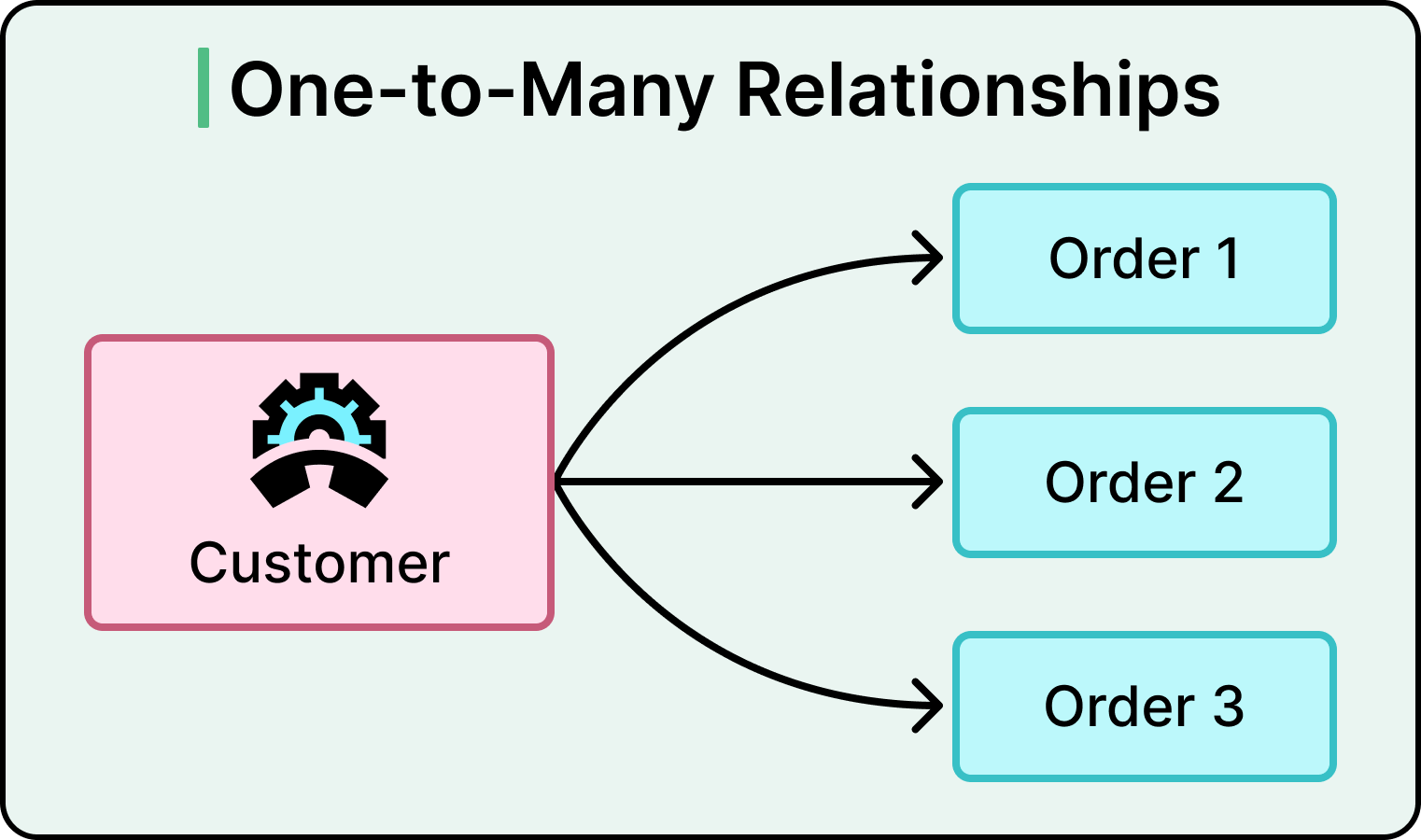 programming/ coding Database Relationships in Python: Learn One-to-One, One-to-Many and Many-to-Many Relationships
 programming/ coding Python Application Deployment: Learn How to Launch Django and FastAPI Projects Online
 programming/ coding Python Programming Course in Kenya: Learn Functions, Data Structures and Practical Problem-Solving
You might also like
 security Can You Study Can You Study Cybersecurity Without Prior IT Experience?
Nov 23, 2026
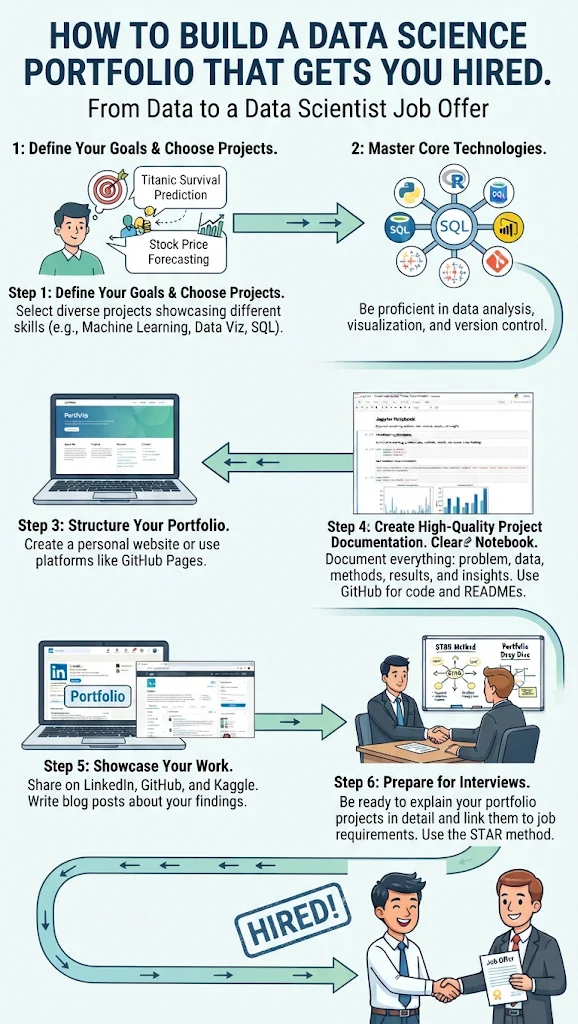 data How to Build a Data Science Portfolio That Gets You Hired in Kenya
Nov 23, 2026
 software development Full Stack Web Development Course in Kenya: Learn to Build Websites and Applications
Nov 23, 2026
 AI tech Virtual Assistant Course in Kenya: Learn Remote Work & Earn Online
Nov 23, 2026
 AI tech AI Automation Course in Kenya: Build Smarter Workflows
Nov 23, 2026
 security What is Cybersecurity? A Complete Guide for Beginners
Nov 16, 2026