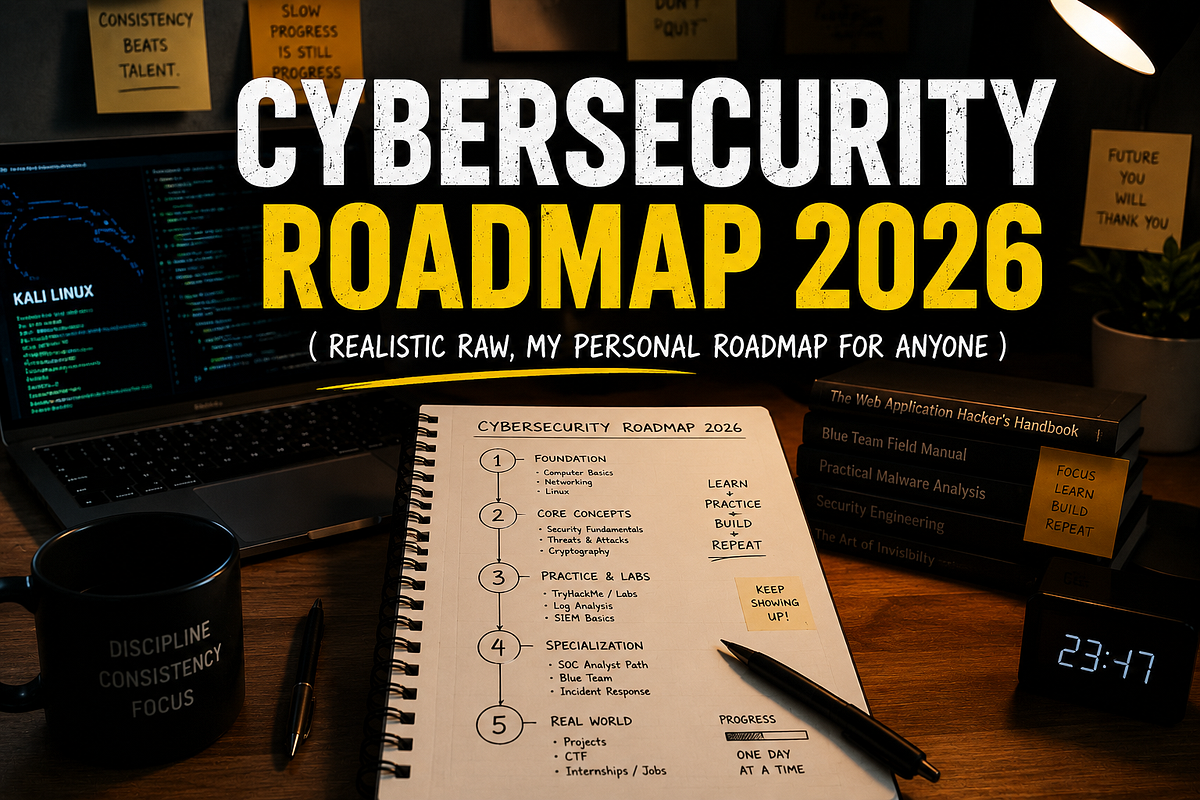
Discover what cybersecurity is with this ultimate beginner's guide. Learn core concepts, ethical hacking skills, and top cybersecurity training in Nairobi.
What is Cybersecurity? A Complete Guide for Beginners
In an era where personal devices, financial systems, corporate databases, and critical public infrastructure are connected to the internet, digital security is no longer an option—it is an absolute necessity. Every day, millions of cyberattacks occur worldwide, ranging from simple email phishing scams to sophisticated ransomware attacks capable of shutting down entire enterprises.
If you have ever wondered how digital systems stay protected from malicious actors, or how you can break into one of the fastest-growing fields in tech, this guide is for you.
This comprehensive beginner's guide breaks down what cybersecurity is, how it works, the core concepts you need to master, and how you can start your journey—including where to find hands-on cybersecurity training in Nairobi and across East Africa.
What is Cybersecurity?

At its core, cybersecurity is the practice of protecting systems, networks, programs, devices, and data from digital attacks, unauthorized access, or damage.
Cyberattacks are usually aimed at accessing, changing, or destroying sensitive information; extorting money from users via ransomware; or interrupting normal business processes.
Implementing effective cybersecurity measures is particularly challenging today because there are more devices than people, and attackers are becoming increasingly innovative.
The CIA Triad: The Three Pillars of Cybersecurity
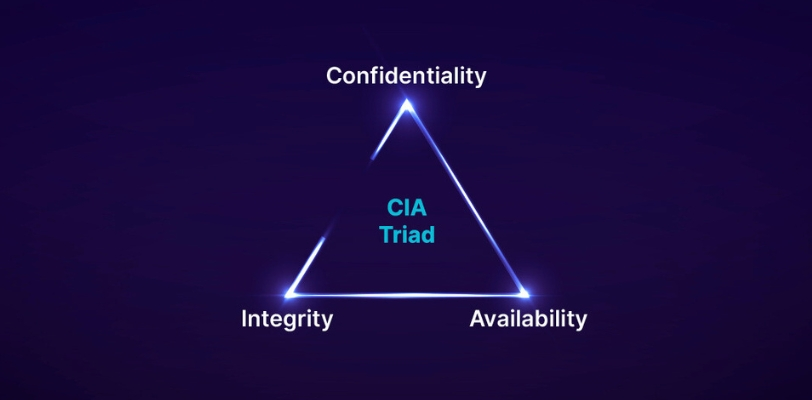
To understand cybersecurity fundamentals, you must understand the CIA Triad. This foundational framework guides security policies and defenses across every major organization globally:
- Confidentiality: Ensuring that sensitive information is accessible only to authorized personnel. Methods include data encryption, strict access controls, and multi-factor authentication (MFA).
- Integrity: Guaranteeing that data is accurate, authentic, and safe from unauthorized modification or deletion. This relies on cryptographic hashing, version control, and file permissions.
- Availability: Ensuring that systems, applications, and data are accessible to authorized users whenever needed. This involves maintaining hardware, redundancy, DDoS protection, and robust disaster recovery plans.
Common Cyber Threats Beginners Should Know

To defend digital assets, security professionals must first understand how cybercriminals operate. Here are the most common threats encountered today:
1. Phishing and Social Engineering
Phishing involves sending fraudulent communications (usually emails, SMS, or social media messages) designed to look like they come from a reputable source. The goal is to trick individuals into revealing sensitive information, such as passwords, credit card numbers, or corporate login credentials.
2. Malware (Malicious Software)
Malware is an umbrella term for software intentionally designed to cause damage to a computer, server, client, or computer network. Common types include:
- Ransomware: Encrypts a victim's files and demands a ransom payment to restore access.
- Trojans: Disguises itself as legitimate software to trick users into installing it.
- Spyware: Secretly monitors user activity and collects private data.
3. Denial-of-Service (DoS) and Distributed DoS (DDoS)
A DoS attack floods a target server, network, or service with an overwhelming volume of traffic, rendering it unavailable to legitimate users. Distributed DoS (DDoS) attacks use thousands of compromised devices (a botnet) to launch the attack simultaneously.
4. Man-in-the-Middle (MitM) Attacks
In a MitM attack, a cybercriminal secretly intercepts and potentially alters communications between two parties who believe they are directly communicating with each other. This often happens on unsecured public Wi-Fi networks.
What is Ethical Hacking? (And Why You Should Learn It)

When people hear the word "hacking," they often picture cybercriminals breaking into banking systems. However, there is a legitimate, vital side to hacking known as Ethical Hacking (or Penetration Testing).
Ethical hackers use the exact same tools, techniques, and mindsets as cybercriminals, but with one critical difference: they have explicit permission from system owners. Their job is to identify vulnerabilities before malicious hackers can exploit them.
Types of Hackers:
- White Hat Hackers (Ethical Hackers): Security professionals who use their skills legally to fix security flaws and protect organizations.
- Black Hat Hackers: Criminals who break into systems unlawfully for personal gain, financial theft, or malicious disruption.
- Grey Hat Hackers: Individuals who may break into systems without authorization to discover flaws, but without malicious intent, often demanding a fee to fix the issue.
If you want to learn ethical hacking, you will develop skills in penetration testing, network defense, vulnerability assessment, and digital forensics. It is one of the most rewarding and exciting specialization areas within the tech industry.
Core Skills Needed to Start a Career in Cybersecurity
You do not need a computer science degree to start learning cybersecurity, but you do need a solid foundation in key technical areas:
Technical Foundations:
- Networking: Understanding how computers communicate (TCP/IP, OSI model, DNS, subnets, routers, and firewalls).
- Operating Systems: Proficiency in both Windows administration and Linux command-line environments (such as Kali Linux or Ubuntu).
- Basic Scripting: Writing basic scripts using Python, Bash, or PowerShell to automate security tasks and analyze log files.
- Security Concepts: Familiarity with firewalls, Virtual Private Networks (VPNs), Intrusion Detection Systems (IDS), and encryption standards.
Soft Skills:
- Problem-Solving & Critical Thinking: Cyber defense requires methodical troubleshooting and analytical reasoning.
- Continuous Curiosity: Threat landscapes evolve constantly; staying updated on new vulnerabilities is essential.
- Ethics and Integrity: High moral standards are non-negotiable when dealing with sensitive corporate and personal data.
Cybersecurity Opportunities in East Africa and Beyond

The global cybersecurity talent shortage is at an all-time high, with millions of unfilled jobs worldwide. Africa, and specifically Kenya, is experiencing a massive digital transformation. With the rapid adoption of fintech (such as M-Pesa), mobile banking, cloud computing, and e-commerce, local businesses face severe digital security challenges.
Nairobi has established itself as the technology hub of East Africa ("Silicon Savannah"). Consequently, demand for local expertise in security analysis, incident response, ethical hacking, and risk compliance is skyrocketing.
How to Get Started: Choosing a Cybersecurity Course in Kenya
If you are based in East Africa and want to build a career in cybersecurity, enrolling in structured hands-on training is the fastest path to employment.
When searching for a practical cybersecurity course in Kenya, look for programs that offer:
- Hands-on Lab Practice: Real-world penetration testing labs, Wireshark packet capture analysis, and setup of security tools.
- Industry-Recognized Certifications: Preparation for globally accredited exams such as CompTIA Security+, Certified Ethical Hacker (CEH), or Junior Cybersecurity Analyst certifications.
- Local Mentorship: Access to expert instructors who understand the unique cybersecurity threat landscape in the region.
Taking specialized cybersecurity training in Nairobi or through reputable online programs provides structured roadmaps that bridge the gap between absolute beginner and job-ready professional.
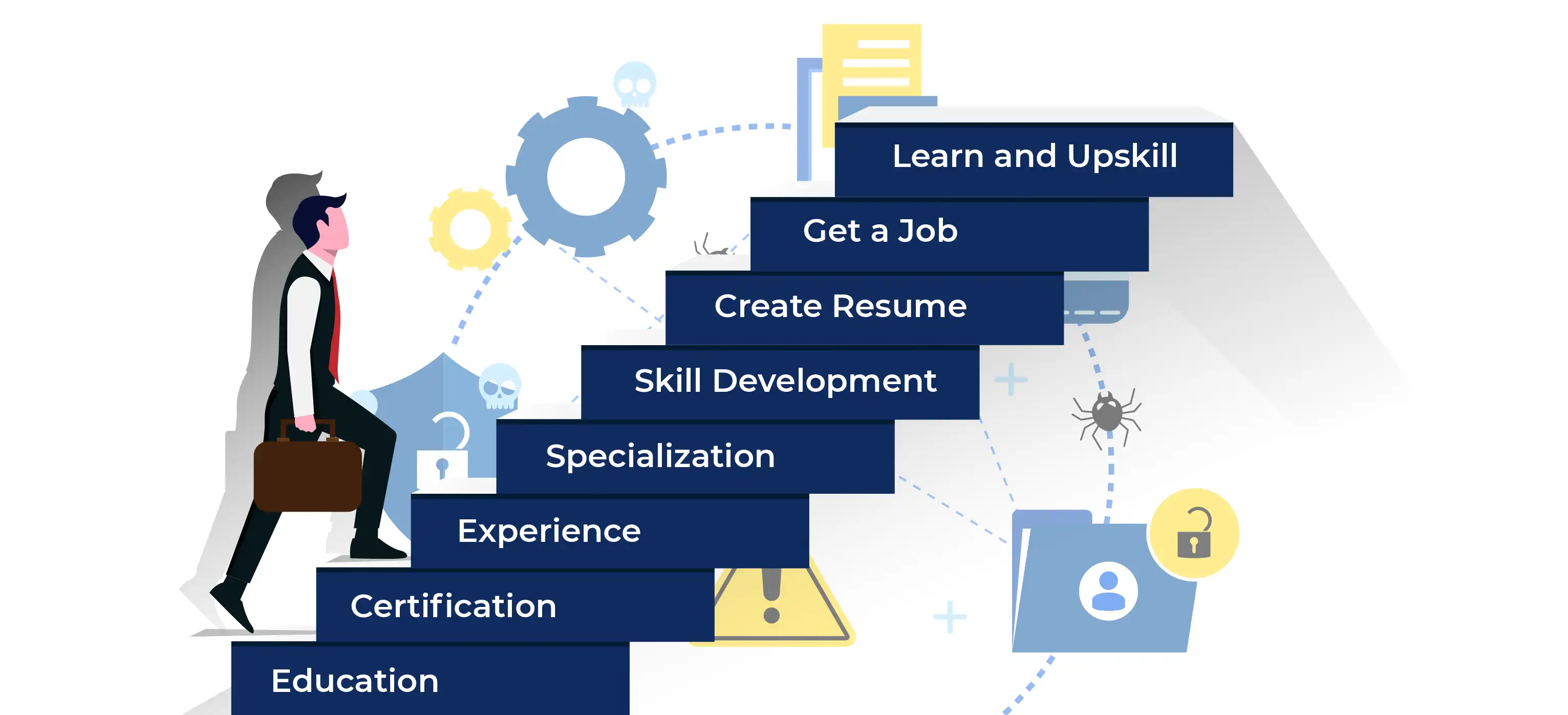
Beginner-Friendly Roadmap: How to Get Started Today

If you are ready to launch your cybersecurity journey, follow this simple step-by-step roadmap:
Step 1: Master IT Fundamentals (Hardware, Networking, Linux)
  └── Step 2: Learn Basic Cybersecurity Concepts (CIA Triad, Threats, Defense)
        └── Step 3: Learn Ethical Hacking Principles & Hands-on Tools (Wireshark, Nmap, Metasploit)
              └── Step 4: Obtain Industry Certifications (CompTIA Security+, CEH, eJPT)
                    └── Step 5: Build Practical Projects & Apply for Entry-Level Roles (SOC Analyst, Junior Pentester)
- Start with the Fundamentals: Understand basic networking concepts (IP addresses, ports, protocols) and install Linux in a virtual machine (using VirtualBox or VMware).
- Practice on Free Platforms: Use hands-on gamified cybersecurity learning platforms such as TryHackMe, Hack The Box, and OverTheWire to practice fundamental skills safely.
- Enroll in a Structured Program: Gain professional guidance by registering for a structured cybersecurity course in Kenya to gain structured practical skills and professional network connections.
- Earn Entry-Level Certifications: Aim for foundational industry certifications like CompTIA Network+, CompTIA Security+, or eJPT (eLearnSecurity Junior Penetration Tester).
Key Takeaways
- Cybersecurity protects systems, networks, and data from unauthorized access and malicious attacks.
- The core foundation rests on the CIA Triad: Confidentiality, Integrity, and Availability.
- Ethical Hacking involves legally testing systems to discover and fix security vulnerabilities before criminals exploit them.
- Demand for cybersecurity professionals in Nairobi and across Kenya is growing rapidly due to accelerating digitalization.
- You can start as a complete beginner by mastering basic networking, learning Linux, practicing on virtual labs, and taking formal training courses.
Conclusion: Take Your First Step into Cybersecurity
Cybersecurity is one of the most in-demand career fields in today's technology industry. Every day, businesses, governments, and organisations need skilled professionals to protect their systems, networks, and sensitive information from cyber threats.
Imagine building a career as a Cybersecurity Analyst, Ethical Hacker, SOC Analyst, or Network Security Specialist.
At DAZU Training Institute, we equip you with practical, industry-relevant skills to help you turn your passion for technology into a rewarding career.
Why Study Cybersecurity at DAZU?
Hands-on practical training.
Network security and ethical hacking.
Penetration testing and vulnerability assessment.
Real-world cybersecurity tools and techniques.
Practical skills for today's digital workplace.
Whether you are a beginner or looking to advance your IT career, your cybersecurity journey starts here!
📍 Nairobi | Thika | Online
📞 Call/WhatsApp: 0722 922 454
🌐 Apply today: https://www.dazu.ac.ke
DAZU TRAINING INSTITUTE
building skills that creates opportunities
Related articles
 security . Ethical Hacking vs Cybersecurity: Which Career Should You Choose in Kenya?
 security How to Start a Career in Cybersecurity in Kenya: A Beginner's Guide
 security Why Learn Cyber Security in 2027: A Complete Guide
 security Python Programming and Automation in Nairobi: Learn Coding for Cybersecurity and Technology
 security Computer Systems and Networking Course in Nairobi: Learn the Technology Behind the Internet
 security Cybersecurity Training in Nairobi: Start Your Journey Towards a Career in Cybersecurity
 security The Future of Cybersecurity in Kenya: AI, Cloud Security and Threat Detection
 security Why Choose Dazu School of Tech for Cybersecurity Training in Nairobi?
You might also like
 software development Software Engineering Course in Thika: Build Real Skills, Real Projects, Real Career Opportunities
Nov 13, 2026
 beauty el Nails, Acrylic Nails and Nail Art: Which Skills Should You Learn?
Nov 13, 2026
 beauty Beauty Skills You Can Learn and Turn Into a Profitable Business in Kenya
Nov 13, 2026
 beauty Manicure and Pedicure Course in Kenya: Everything You Need to Know
Nov 13, 2026
 beauty : How to Become a Professional Nail Technician in Kenya
Nov 13, 2026
 caregiver How Caregiving Can Open Doors to International Employment Opportunitie
Nov 12, 2026