
Join a virtual assistant course in Kenya at DAZU Training Institute. Learn digital skills, manage clients and prepare for remote jobs and freelancing.
Virtual Assistant Course in Kenya: Learn Remote Work & Earn Online
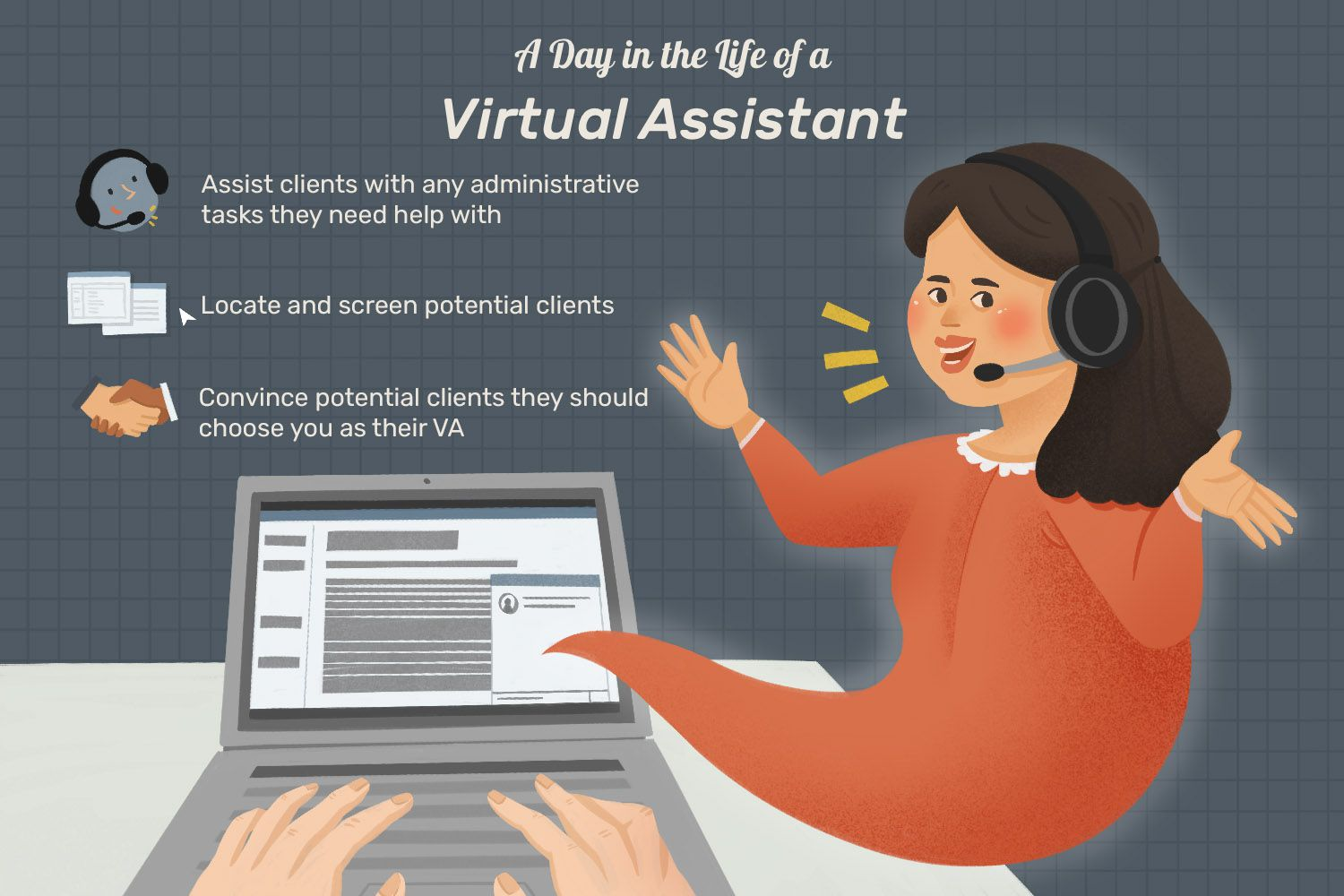
The global job market is changing, and remote work is creating new opportunities for Kenyans to work with businesses and clients from different parts of the world. Today, companies are increasingly hiring Virtual Assistants (VAs) to manage administrative tasks, customer support, social media, research and daily business operations remotely.
For students, graduates, job seekers and professionals looking for flexible career opportunities, virtual assistance offers an opportunity to develop valuable digital skills and access the global freelance economy.
However, becoming a successful Virtual Assistant requires more than a laptop and internet connection. You need professional communication skills, knowledge of digital tools, time management, client management and the ability to deliver quality work remotely.
Enrolling in a practical Virtual Assistant Course in Kenya can help you develop these skills and prepare you for the growing remote-work industry.
At DAZU Training Institute, we focus on equipping learners with practical technology and digital skills that can be applied in real-world working environments.
What Is Virtual Assistance?
A Virtual Assistant is a professional who provides administrative, technical, creative or business support to clients remotely.
Instead of working physically in an office, a Virtual Assistant uses digital tools and online communication platforms to complete assigned tasks.
Depending on your specialization, you may perform the following responsibilities:
Administrative Assistance: Managing emails, calendars, appointments, documents and meetings.
Customer Support: Responding to customer enquiries through email, live chat and other communication channels.
Social Media Management: Creating content, scheduling posts and managing business social media accounts.
Digital Marketing: Supporting online campaigns, research and content marketing.
Data Management: Organising spreadsheets, updating databases and maintaining business records.
E-commerce Assistance: Managing online stores, product listings and customer orders.
Technical Assistance: Supporting website updates, CRM systems and other business applications.
Why Study a Virtual Assistant Course in Kenya?
The demand for remote administrative and digital support continues to create opportunities for people with the right skills.
A structured virtual assistant training programme helps you move beyond basic computer knowledge and develop professional skills that businesses value.
Here are some important benefits:
1. Access Global Remote Work Opportunities
Develop skills that can help you work with entrepreneurs, startups, agencies and established companies locally and internationally.
2. Develop Marketable Digital Skills
Learn to use professional tools for communication, project management, document preparation, social media and business administration.
3. Build a Freelancing Career
Virtual assistance allows you to offer services independently and work with multiple clients depending on your skills and availability.
4. Work Remotely
With the right skills, equipment and reliable internet connection, you can deliver professional services from your home or preferred workspace.
5. Expand Your Career Options
Virtual assistance can lead to opportunities in executive assistance, digital marketing, customer support, project coordination and online business management.
What You Will Learn in a Virtual Assistant Course
A good virtual assistant course should combine computer literacy, practical digital tools, communication skills and freelance business development.
At DAZU Training Institute, learners should focus on developing the following essential competencies.
Module 1: Administrative and Office Management
Learn how to provide professional administrative support to businesses and executives.
Topics include:
Email management and organisation.
Calendar management and appointment scheduling.
Meeting coordination.
Document preparation and formatting.
Online research.
Data entry and record management.
Professional office communication.
Module 2: Communication and Customer Support
Develop the ability to communicate professionally with clients and customers.
Topics include:
Professional email writing.
Business communication.
Customer service principles.
Handling customer complaints.
Live chat and online support.
Managing client enquiries.
Meeting preparation and follow-ups.
Module 3: Digital Marketing and Social Media Management
Learn how to support businesses with their online presence.
Topics include:
Social media account management.
Canva graphic design.
Content creation.
Social media scheduling.
Basic copywriting.
Digital marketing fundamentals.
Social media engagement and reporting.
Module 4: Project Management and Productivity Tools
Understand how to organise tasks, collaborate with teams and manage projects remotely.
Popular tools include:
Trello.
Asana.
ClickUp.
Notion.
Google Workspace.
Microsoft 365.
Slack.
Zoom.
Module 5: Data Management and Spreadsheet Skills
Learn how to manage business information accurately.
Topics include:
Microsoft Excel.
Google Sheets.
Data entry and cleaning.
Spreadsheet formulas.
Organising digital records.
Basic data reporting.
Document management.
Module 6: Freelancing and Client Acquisition
Technical skills are important, but knowing how to find and manage clients is equally essential.
Topics include:
Creating professional freelancer profiles.
Introduction to Upwork and Fiverr.
LinkedIn professional branding.
Writing effective proposals.
Building a professional portfolio.
Client communication and relationship management.
Understanding freelance contracts and payments.
Setting service packages and pricing.
Essential Tools Every Virtual Assistant Should Know
Modern Virtual Assistants use different digital platforms to deliver services efficiently.
| Tool | Main Purpose |
|---|---|
| Google Workspace | Email, documents, calendars and collaboration |
| Microsoft 365 | Office productivity and document management |
| Canva | Graphic design and content creation |
| Trello | Task and project management |
| Asana | Team collaboration and project tracking |
| Zoom | Online meetings and communication |
| Slack | Professional team communication |
| ChatGPT | AI-assisted writing, research and productivity |
| Notion | Notes, organisation and knowledge management |
| Calendly | Appointment scheduling |
Learning these tools can help you provide more professional and efficient services to clients.
Where Can You Find Virtual Assistant Jobs in Kenya?
After developing your skills and preparing a professional portfolio, you can explore different platforms to connect with potential clients.
1. Upwork
Upwork connects freelancers with businesses looking for administrative, technical, creative and professional services.
You can create a profile, showcase your skills and submit proposals for suitable projects.
2. Fiverr
Fiverr allows freelancers to create service listings and attract clients looking for specific services such as email management, data entry, social media assistance and administrative support.
3. LinkedIn
LinkedIn is useful for professional networking, building your personal brand and connecting directly with business owners, recruiters and potential clients.
4. Freelance and Remote Job Platforms
You can also explore platforms such as Freelancer and other remote employment networks to identify opportunities that match your skills.
Important: Getting clients is not automatic. Your success depends on your portfolio, communication, service quality, consistency and ability to compete in the international marketplace.
How Much Can a Virtual Assistant Earn in Kenya?
Virtual Assistant earnings vary depending on experience, specialisation, working hours, client location and the services offered.
Beginners may start with basic administrative services before progressing into specialised areas such as executive assistance, e-commerce management, digital marketing and project coordination.
Your earning potential can improve as you:
Develop specialised skills.
Build a strong portfolio.
Gain positive client reviews.
Improve communication and productivity.
Work with long-term clients.
Offer higher-value services.
Rather than focusing only on earning potential, concentrate on acquiring practical skills that enable you to deliver measurable value to clients.
Who Should Enrol in a Virtual Assistant Course?
Virtual assistance is suitable for different groups of learners.
Students and Recent Graduates
Develop practical digital skills and prepare for opportunities in the remote-work economy.
Job Seekers
Explore freelancing and remote employment as additional career pathways.
Entrepreneurs
Learn administrative and digital productivity skills that can help you manage your own business.
Office Administrators
Upgrade your skills and learn modern remote collaboration tools.
Freelancers
Expand your service offerings and become more competitive in the global freelance marketplace.
Professionals Seeking Career Flexibility
Develop skills that can support a transition into remote administrative and digital operations roles.
How to Start Your Virtual Assistant Career in Kenya
Getting started requires a combination of training, practice and consistent professional development.
Follow these steps:
Acquire Professional Training: Enrol in a practical virtual assistant course to develop essential digital and administrative skills.
Master Digital Tools: Practise using Google Workspace, Microsoft 365, Canva, Trello and other professional applications.
Build a Portfolio: Create sample projects demonstrating your ability to manage emails, prepare documents, organise schedules and support businesses.
Create Professional Profiles: Set up your LinkedIn and relevant freelance marketplace profiles.
Start Applying for Opportunities: Identify suitable clients and submit professional proposals.
Improve Continuously: Learn new tools, develop specialised skills and improve your service delivery.
Why Choose DAZU Training Institute?
At DAZU Training Institute, we believe that practical digital skills are essential for succeeding in today's technology-driven economy.
Our training focuses on helping learners understand and apply modern digital tools in professional and business environments.
When exploring virtual assistant training at DAZU, you can expect an emphasis on:
Practical digital skills.
Professional communication.
Office and administrative productivity.
Digital tools and applications.
AI-assisted productivity.
Freelancing and remote-work readiness.
Real-world learning activities.
Flexible training options:
Nairobi Campus: Cianda House, Room 406B.
Thika Campus: Witeithie House, 5th Floor, Room 529.
Online learning options.
Visit our official website to explore available courses and enrolment opportunities.
Website: https://dazu.ac.ke
Frequently Asked Questions (FAQs)
1. What is a Virtual Assistant course?
A Virtual Assistant course teaches learners how to provide administrative, technical, creative and business support remotely using digital tools and online platforms.
2. Can I become a Virtual Assistant without experience?
Yes. Beginners can start by learning essential computer skills, communication, administration and digital productivity tools before building a portfolio and applying for entry-level opportunities.
3. Do I need a degree to become a Virtual Assistant?
A university degree is not always required. Many clients prioritise practical skills, communication, reliability, relevant experience and the ability to complete assigned tasks professionally.
4. Which skills are required to become a Virtual Assistant?
Important skills include communication, email management, time management, data entry, online research, customer support, document preparation and familiarity with productivity applications.
5. Can I work as a Virtual Assistant from Kenya?
Yes. You can provide remote services to Kenyan and international clients, provided you have the necessary skills, reliable internet access and suitable working equipment.
6. Which platforms can I use to find Virtual Assistant jobs?
Popular platforms include Upwork, Fiverr, Freelancer and LinkedIn. You can also connect with businesses directly and explore remote recruitment networks.
7. Can I use AI as a Virtual Assistant?
Absolutely. AI tools such as ChatGPT and Gemini can assist with research, email drafting, content creation, information organisation and productivity. However, professional judgement and human oversight remain important.
8. Where can I study Virtual Assistance in Kenya?
You can explore digital skills and technology training opportunities at DAZU Training Institute, with learning options in Nairobi, Thika and online.
Visit https://dazu.ac.ke to enquire about available programmes.
Conclusion: Start Building Your Remote Career Today
The growth of remote work is creating new opportunities for people who can provide reliable administrative, technical and digital support.
A career in virtual assistance can offer flexibility, professional development and access to clients beyond geographical boundaries.
However, success requires more than simply registering on freelancing platforms. You need practical skills, professional communication, a strong portfolio and the ability to deliver quality work.
If you are a student, graduate, job seeker or professional looking to develop valuable digital skills, investing in virtual assistant training is a practical step towards exploring the remote-work economy.
Ready to develop your digital skills and prepare for remote work?
Join DAZU Training Institute and take the next step towards becoming a skilled Virtual Assistant.
🌐 Website: https://dazu.ac.ke
📞 Call/WhatsApp: 0722 922 454
📍 Nairobi: Cianda House, Room 406B
📍 Thika: Witeithie House, 5th Floor, Room 529
DAZU Training Institute – Building Skills for the Digital Future.
Related articles
 AI tech AI Automation Course in Kenya: Build Smarter Workflows
 AI tech Business Chatbots in Kenya: How AI Chatbots Help Businesses Get More Customers, Save Time and Increase Sales
 AI tech Artificial Intelligence Courses in Kenya: How to Become an AI Engineer and Build Intelligent System
 AI tech Artificial Intelligence Courses in Kenya: Learn AI Automation, Intelligent Agents and Business Process Integration
 AI tech Artificial Intelligence Courses in Kenya: From AI Tools to Python, Machine Learning and Intelligent Applications
 AI tech Artificial Intelligence Courses in Kenya: How to Use AI Tools to Transform Your Work and Business
 AI tech Artificial Intelligence Courses in Kenya: A Complete Guide for Anyone Starting Their AI Journey
 AI tech APIs and Deployment in AI Engineering: Building and Launching Real-World AI Applications
You might also like
 security Can You Study Can You Study Cybersecurity Without Prior IT Experience?
Nov 23, 2026
 data How to Build a Data Science Portfolio That Gets You Hired in Kenya
Nov 23, 2026
 software development Full Stack Web Development Course in Kenya: Learn to Build Websites and Applications
Nov 23, 2026
 programming/ coding Python Course in Nairobi: Master Practical Coding Skills in Kenya.
Nov 23, 2026
 security What is Cybersecurity? A Complete Guide for Beginners
Nov 16, 2026
 software development Software Engineering Course in Thika: Build Real Skills, Real Projects, Real Career Opportunities
Nov 13, 2026