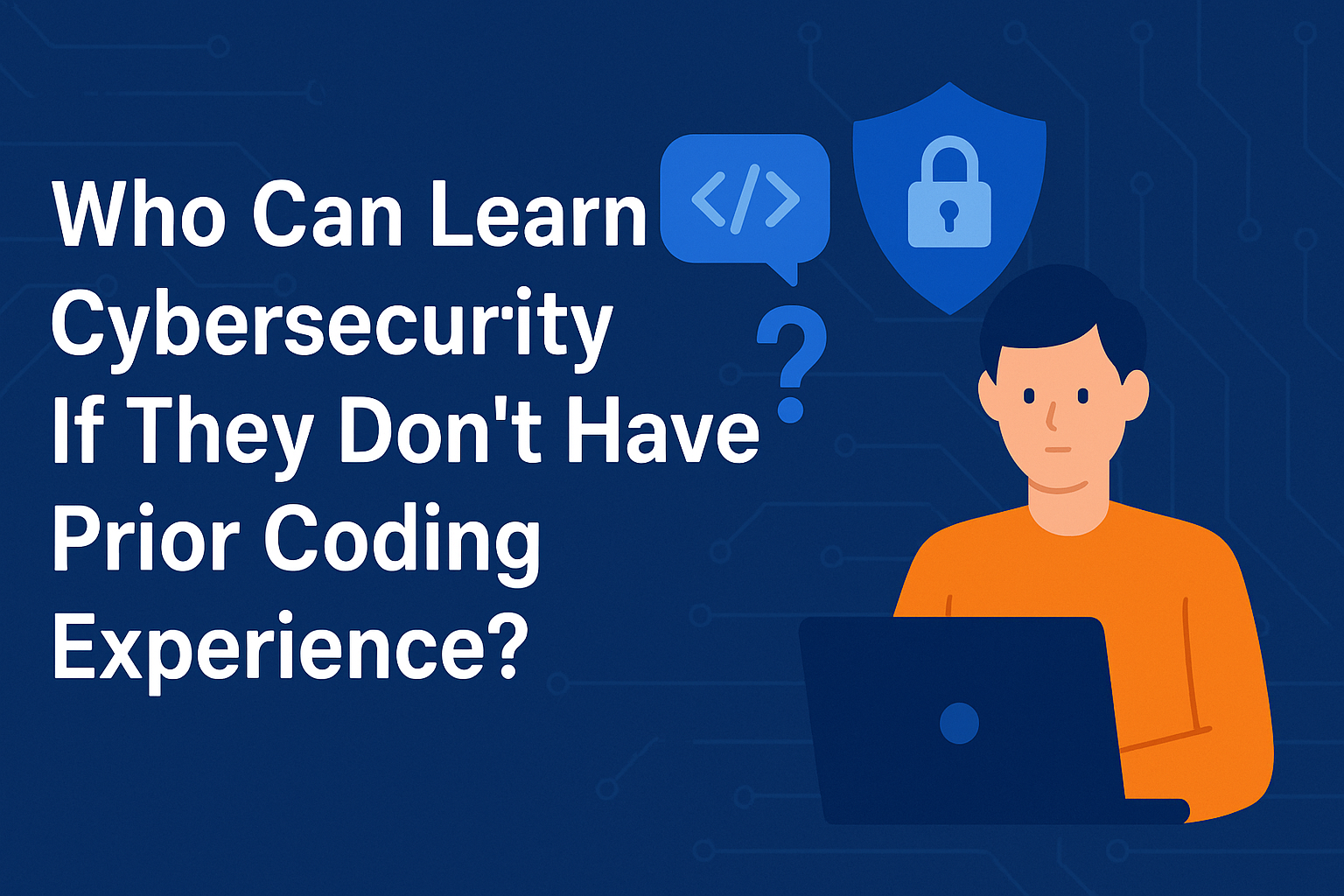
Discover the technical skills, cybersecurity tools, penetration testing techniques and practical projects needed to build a successful cybersecurity career in Kenya.
Introduction: Is Cybersecurity Experience More Important Than Technical Competence?
Cybersecurity has become one of the most important disciplines in modern technology. As organisations migrate their infrastructure to cloud platforms, adopt digital payment systems and expand their online operations, protecting digital assets has become a major priority.
However, entering the cybersecurity industry requires more than understanding antivirus software, creating strong passwords or installing security applications.
Modern cybersecurity professionals must understand how operating systems, networks, applications, databases and cloud environments interact. They must also identify vulnerabilities, investigate security incidents, analyse network traffic and implement appropriate security controls.
One important question frequently asked by aspiring professionals is:
Can you build a cybersecurity career without previous professional IT experience?
Yes. However, there is an important distinction between having no professional experience and having no technical knowledge.
You can develop cybersecurity expertise through structured technical training, independent laboratory exercises, professional certifications and practical projects. What matters is your ability to demonstrate technical competence and solve real security problems.
This guide explores the technical competencies, tools, practical projects and career pathways required to develop a professional cybersecurity skill set.
Whether you are transitioning from networking, software development, IT support or another technical discipline, this roadmap will help you understand the knowledge required to progress into cybersecurity.
1. Understanding the Technical Foundations of Modern Cybersecurity
Cybersecurity is not an isolated technical discipline. It integrates several areas of information technology.
Before specialising in penetration testing, security operations or cloud security, professionals need a strong understanding of the underlying infrastructure.
A. Advanced Computer Networking
Networking is fundamental to cybersecurity because most security incidents involve communication between systems, devices or applications.
A cybersecurity professional must understand how data moves across networks and how attackers may exploit weaknesses in network architecture.
Important technical areas include:
TCP/IP protocol suite.
IPv4 and IPv6 addressing.
Subnetting and CIDR notation.
DNS resolution.
DHCP configuration.
VLANs and network segmentation.
Routing and switching.
NAT and port forwarding.
TCP three-way handshake.
Firewalls and access control lists.
VPN technologies.
Network intrusion detection and prevention.
Practical enterprise scenario:
Consider a financial institution operating several departments across multiple office locations.
Its network contains:
Employee workstations.
Database servers.
Application servers.
Administrative systems.
Guest Wi-Fi networks.
Payment processing infrastructure.
If all these devices operate within an unrestricted network, a compromised workstation could potentially expose critical infrastructure.
A network security specialist would implement network segmentation, access control policies, firewall rules and monitoring systems to reduce the attack surface.
Practical laboratory:
Using Cisco Packet Tracer:
Design a multi-department enterprise network.
Configure VLANs for different departments.
Assign IP addresses and subnet masks.
Configure inter-VLAN routing.
Implement access control lists.
Test connectivity and verify network restrictions.
Expected outcome: A documented enterprise network demonstrating segmentation and controlled communication between departments.
B. Linux System Administration and Security
Linux is widely used in enterprise servers, cloud infrastructure, security appliances and penetration testing environments.
Cybersecurity professionals need to understand Linux beyond basic terminal navigation.
Important areas include:
Linux architecture.
User and group administration.
File permissions and ownership.
Process management.
System services.
SSH configuration.
Firewall configuration.
Log management.
Bash scripting.
System hardening.
Package management.
Linux security auditing.
Practical example:
Imagine an organisation operates a Linux-based web server hosting its customer portal.
A security administrator discovers that unnecessary services are running, outdated packages are installed and SSH access is poorly configured.
The administrator must investigate the system, review running services, identify misconfigurations and implement appropriate hardening measures.
Useful Linux commands include:
# Identify the current user
whoami

# Display running processes
ps aux

# Inspect listening network services
ss -tulnp

# Review system information
uname -a

# Inspect authentication logs
sudo journalctl -u ssh

# Check file permissions
ls -l
Practical laboratory: Configure a Linux virtual machine, create user accounts, apply appropriate permissions, review authentication logs and harden remote administration.
C. Python Programming for Cybersecurity
Automation is increasingly important in modern security operations.
Python allows professionals to develop scripts for log analysis, network monitoring, security automation and incident investigation.
Important programming concepts include:
Functions and modules.
File handling.
Object-oriented programming.
Exception handling.
Regular expressions.
JSON and API integration.
Network programming.
Log processing.
Automation scripts.
Practical example: Security Log Analysis
An organisation records thousands of authentication events every day.
Manually reviewing these logs can be inefficient.
A Python script can process sample authentication logs, identify repeated failed login attempts and generate a report for further investigation.
Example:
from collections import Counter

failed_attempts = [
    "192.168.1.10",
    "192.168.1.15",
    "192.168.1.10",
    "192.168.1.10",
    "192.168.1.20",
]

attempt_counts = Counter(failed_attempts)

for ip, count in attempt_counts.items():
    if count >= 3:
        print(f"Investigate {ip}: {count} failed attempts")
This is a simplified demonstration using sample data, not a complete intrusion detection system.
Practical laboratory: Develop a Python log analyser that reads authentication records, identifies suspicious patterns and generates security reports.
2. Ethical Hacking and Penetration Testing
Ethical hacking involves conducting authorised security assessments to identify weaknesses before malicious attackers exploit them.
Penetration testing is more than running automated tools. It requires understanding the target environment, identifying potential vulnerabilities, validating findings and documenting recommendations.
Understanding the Penetration Testing Process
A professional penetration testing engagement generally involves several stages.
Stage 1: Planning and Scope Definition
Establish the authorised testing scope, objectives, systems involved and rules of engagement.
Stage 2: Reconnaissance
Collect relevant information about the approved target environment.
Tools may include:
WHOIS.
DNS utilities.
Nmap.
Passive reconnaissance platforms.
Stage 3: Vulnerability Identification
Identify weaknesses in exposed services, applications and configurations.
Tools may include:
Nmap.
OpenVAS or Greenbone.
Burp Suite.
Nessus.
Stage 4: Controlled Validation
Validate identified vulnerabilities within the agreed testing scope and without causing unnecessary disruption.
Stage 5: Reporting and Remediation
Document findings, assess their severity, explain potential business impact and recommend corrective measures.
Essential Ethical Hacking Tools
Kali Linux
A Linux distribution containing tools used for penetration testing and security assessments.
Nmap
Used for network discovery, service identification and security auditing.
Metasploit Framework
Provides tools for validating known vulnerabilities in controlled environments.
Burp Suite
Used to inspect and test web application security.
Wireshark
Used for packet capture and network traffic analysis.
Practical project:
Conduct an authorised security assessment of a deliberately vulnerable virtual machine.
Your report should include:
Testing scope.
Identified services.
Vulnerability descriptions.
Risk ratings.
Evidence.
Recommended remediation.
Only assess systems for which you have explicit permission.
3. Web Application Security and OWASP
Web applications are attractive targets because they frequently handle sensitive customer information, financial transactions and authentication credentials.
Cybersecurity professionals must understand how applications work and how vulnerabilities emerge.
The <underline>OWASP Top 10</underline> provides an important awareness framework for major web application security risks.
Key areas include:
Broken access control.
Cryptographic failures.
Injection vulnerabilities.
Security misconfiguration.
Authentication failures.
Software supply chain failures.
Security logging and monitoring failures.
Server-side request forgery.
Practical example:
Consider an e-commerce application where customers can view their orders through a URL containing an order ID.
If the application fails to verify ownership of the requested order, a user might access another customer's information by changing the order identifier.
This is an example of broken access control.
Practical laboratory:
Use OWASP Juice Shop or WebGoat in an isolated training environment.
Exercises can include:
Examine authentication mechanisms.
Investigate access control weaknesses.
Identify insecure input handling.
Analyse session management.
Document vulnerabilities and recommended fixes.
Expected outcome: A web application security assessment report demonstrating your understanding of application vulnerabilities and remediation.
4. Security Operations Centre (SOC) and Threat Detection
A Security Operations Centre is responsible for monitoring an organisation's systems, detecting suspicious activity and coordinating security incident responses.
SOC analysts work with security logs, endpoint telemetry, network traffic and security alerts.
Important competencies include:
Security Information and Event Management (SIEM).
Log correlation.
Threat intelligence.
Endpoint detection and response.
Incident investigation.
Alert triage.
MITRE ATT&CK framework.
Threat hunting.
Security reporting.
Understanding SIEM Platforms
SIEM platforms collect and analyse security information from multiple sources.
Examples include:
Splunk.
Microsoft Sentinel.
Elastic Security.
IBM QRadar.
Practical enterprise scenario:
An organisation detects several failed login attempts followed by a successful login from an unusual location.
A SOC analyst must investigate:
The affected user account.
Authentication timestamps.
Source IP addresses.
Related endpoint activity.
Possible indicators of compromise.
Whether the activity represents legitimate access or a security incident.
The analyst then documents the findings and recommends appropriate containment measures.
Practical laboratory:
Set up a small security monitoring environment using sample logs and an appropriate SIEM platform.
Create dashboards for authentication activity, investigate suspicious events and document an incident investigation.
5. Cloud Security and Enterprise Infrastructure Protection
Organisations increasingly use cloud platforms to host applications, databases, storage and enterprise infrastructure.
Cloud security professionals must understand shared responsibility, identity management, network security and infrastructure configuration.
Important areas include:
Cloud Identity and Access Management (IAM).
Role-based access control.
Virtual private clouds.
Network security groups.
Encryption at rest and in transit.
Cloud logging and monitoring.
Secure storage configuration.
Secrets management.
Cloud incident response.
Infrastructure security monitoring.
AWS, Microsoft Azure and Google Cloud
Major cloud platforms provide security capabilities for protecting digital infrastructure.
Examples include:
AWS: IAM, CloudTrail, Security Hub and GuardDuty.
Microsoft Azure: Microsoft Entra ID, Azure Monitor and Microsoft Defender for Cloud.
Google Cloud: IAM, Cloud Audit Logs and Security Command Center.
Practical scenario:
A company accidentally configures a cloud storage resource to allow public access.
Sensitive business documents may become accessible to unauthorised individuals.
A cloud security specialist should identify the exposure, correct permissions, review access logs and implement preventive security controls.
Practical laboratory:
Create a controlled cloud learning environment, configure IAM permissions, enable audit logging and review storage access policies.
6. Digital Forensics and Incident Response
When an organisation experiences a cyberattack, security professionals must investigate what happened, identify affected systems and support recovery.
Digital forensics involves collecting, preserving and analysing digital evidence.
Important technical areas include:
Evidence preservation.
Disk forensics.
Memory forensics.
File system analysis.
Event log investigation.
Malware behaviour analysis.
Timeline reconstruction.
Incident documentation.
Tools used in digital forensic investigations include:
Autopsy.
FTK Imager.
Volatility.
Wireshark.
Sysinternals.
Practical example:
An employee reports that their workstation is behaving unusually after opening a suspicious attachment.
A forensic investigator may need to:
Document the incident.
Preserve relevant evidence.
Examine system logs.
Analyse suspicious files safely.
Reconstruct the sequence of events.
Prepare a forensic investigation report.
Practical project: Analyse a prepared forensic disk image and produce an investigation report showing relevant findings and evidence.
7. AI and Automation in Modern Cybersecurity
Artificial Intelligence is changing how security teams identify threats, investigate incidents and automate repetitive tasks.
Machine Learning can help security systems recognise unusual patterns across large datasets.
Important applications include:
Anomaly detection.
Phishing classification.
Malware classification.
Automated log analysis.
Threat intelligence enrichment.
Security alert prioritisation.
Automated incident response workflows.
Practical example: AI-Based Anomaly Detection
Imagine a company's network normally records a predictable pattern of user activity.
Suddenly, an account begins accessing unusual systems at unexpected times and generating abnormal traffic.
An anomaly detection model can flag this activity for further investigation.
Possible technologies include:
Python.
Scikit-learn.
Pandas.
SIEM platforms.
Machine Learning algorithms.
AI-generated alerts must still be validated because unusual activity does not automatically indicate a cyberattack.
Practical project: Build a Python-based anomaly detection prototype using a prepared network activity dataset. Evaluate false positives, detection performance and limitations.
8. Five Professional Cybersecurity Projects to Strengthen Your Portfolio
Employers need evidence that candidates can apply technical knowledge to realistic security problems.
A strong cybersecurity portfolio should demonstrate investigation, analysis, documentation and technical problem-solving.
Consider developing these projects:
Project 1: Enterprise Network Security Assessment
Objective: Evaluate the security configuration of a simulated enterprise network.
Tools:
Cisco Packet Tracer.
Nmap.
Wireshark.
Deliverables:
Network architecture diagram.
Identified network weaknesses.
Segmentation recommendations.
Security assessment report.
Project 2: Web Application Penetration Testing
Objective: Assess a deliberately vulnerable web application.
Tools:
Kali Linux.
Burp Suite.
OWASP Juice Shop.
Deliverables:
Testing methodology.
Vulnerability findings.
Risk classification.
Remediation recommendations.
Project 3: SIEM-Based Threat Detection
Objective: Investigate suspicious authentication activity.
Tools:
Splunk or Elastic Security.
Sample system logs.
Python.
Deliverables:
SIEM dashboard.
Detection rules.
Incident investigation report.
Recommended security controls.
Project 4: Cloud Security Configuration Audit
Objective: Identify misconfigurations in a controlled cloud environment.
Tools:
AWS or Azure.
IAM.
Cloud audit logs.
Cloud security monitoring tools.
Deliverables:
Configuration assessment.
Identified risks.
Access control recommendations.
Remediation report.
Project 5: Python-Based Security Automation
Objective: Develop a script that processes security logs and identifies suspicious activity.
Tools:
Python.
Pandas.
Regular expressions.
JSON.
Deliverables:
Source code.
Sample dataset.
Analysis output.
Technical documentation.
For every project, document the problem, environment, methodology, findings, limitations and recommendations.
Never publish confidential data, credentials or information from unauthorised security assessments.
9. Cybersecurity Career Specialisations and Professional Opportunities
Cybersecurity is a broad profession with multiple technical specialisations.
Your choice of specialisation should depend on your interests, technical strengths and career objectives.
1. Penetration Tester
Conducts authorised security assessments to identify vulnerabilities in applications, networks and systems.
2. SOC Analyst
Monitors security events, investigates alerts and supports incident response.
3. Network Security Engineer
Designs, implements and maintains network security infrastructure.
4. Cloud Security Engineer
Protects cloud infrastructure, identities, applications and data.
5. Digital Forensics Analyst
Investigates digital evidence and reconstructs security incidents.
6. Application Security Engineer
Works with development teams to identify and prevent software vulnerabilities.
7. Security Automation Engineer
Develops scripts and automated workflows to improve security operations.
These positions require different levels of experience and specialisation. Practical projects, professional development and relevant certifications can strengthen your career progression.
10. Professional Certifications That Can Strengthen Your Cybersecurity Career
Professional certifications can help demonstrate specialised knowledge and support career progression.
Some recognised certifications include:
| Certification | Professional Focus |
|---|---|
| CompTIA Security+ | Core cybersecurity concepts |
| CompTIA Network+ | Networking fundamentals |
| Certified Ethical Hacker (CEH) | Ethical hacking concepts and techniques |
| Cisco CyberOps Associate | Security operations |
| ISC2 CISSP | Advanced information security management |
| OSCP | Practical penetration testing |
Certification requirements, examination costs and experience prerequisites differ. For example, CISSP has professional experience requirements, while other certifications have different eligibility conditions.
Certifications should complement practical competence, not replace it.
11. Where to Develop Practical Cybersecurity Skills in Kenya
Building professional cybersecurity competence requires structured learning, access to practical laboratories and exposure to industry-relevant technologies.
At DAZU Training Institute, our six-month Cybersecurity programme focuses on developing technical knowledge and practical skills across several important areas of information security.
The programme covers:
Cybersecurity Fundamentals.
Computer Networks and System Security.
Ethical Hacking and Penetration Testing.
Web and Application Security.
Cryptography and Data Protection.
Security Operations and Incident Response.
Students develop knowledge of security principles, technical tools and practical security assessment techniques
Why Choose DAZU Training Institute?
Practical, skills-focused training.
Exposure to cybersecurity tools and technologies.
Guided technical exercises.
Security assessment and project-based learning.
Training opportunities in Nairobi, Thika and online.
Cybersecurity Programme Details
Programme: Cybersecurity
Duration: 6 Months
Course Fee: KES 120,000
Admission Fee: KES 1,500
Nairobi Campus: Cianda House, Room 406B.
Thika Campus: Witeithie House, 5th Floor, Room 529.
Phone/WhatsApp: 0722 922 454
Website: https://dazu.ac.ke
Whether you are an IT graduate, networking professional, software developer or someone transitioning into information security, structured cybersecurity training can help you develop the specialised knowledge required to progress.
12. Conclusion: Build the Technical Competence to Protect Digital Infrastructure
Cybersecurity is not simply about learning hacking tools. It is about understanding technology, identifying risks, investigating threats and designing effective security controls.
A competent cybersecurity professional needs to understand networks, operating systems, applications, cloud infrastructure and security operations.
More importantly, technical knowledge must be supported by practical experience.
Build laboratory environments, complete security assessments, analyse network traffic, investigate incidents and document your findings.
These activities help transform theoretical knowledge into demonstrable technical competence.
Ready to advance your cybersecurity skills?
Join DAZU Training Institute and develop practical knowledge in cybersecurity, ethical hacking, network security and security operations.
Explore our training programmes at https://dazu.ac.ke or contact us on 0722 922 454.
Frequently Asked Questions (FAQs)
1. Can someone without professional IT experience build a career in cybersecurity?
Yes. Previous professional IT employment is not compulsory for entering cybersecurity. However, developing technical foundations in networking, operating systems, programming and security is important.
2. Which technical skills are most important in cybersecurity?
Networking, Linux administration, Python programming, security fundamentals, vulnerability assessment, incident response and cloud security are valuable technical competencies.
3. Is Python necessary for cybersecurity?
Python is not compulsory for every cybersecurity role, but it is highly useful for automation, log analysis, scripting and security research.
4. Which tools should cybersecurity professionals learn?
Important tools include Kali Linux, Wireshark, Nmap, Burp Suite, Metasploit, Splunk, Autopsy and various cloud security platforms. The tools required depend on the chosen specialisation.
5. What is the difference between ethical hacking and penetration testing?
Ethical hacking is a broad practice involving authorised security testing. Penetration testing is a structured assessment designed to identify and validate security weaknesses within a defined scope.
6. What is the role of a SOC analyst?
A SOC analyst monitors security events, investigates suspicious activities, analyses alerts and supports organisational incident response.
7. Is AI important in modern cybersecurity?
Yes. AI and Machine Learning can support anomaly detection, phishing classification, security automation and threat investigation. Human validation remains important.
8. How long is the Cybersecurity programme at DAZU Training Institute?
The Cybersecurity programme at DAZU Training Institute runs for six months.
9. How much does Cybersecurity training cost at DAZU?
The programme costs KES 120,000, with an admission fee of KES 1,500.
10. Where can I study Cybersecurity in Kenya?
DAZU Training Institute offers Cybersecurity training in Nairobi, Thika and online. Visit https://dazu.ac.ke or contact 0722 922 454 for enrolment information.
DAZU TRAINING INSTITUTE
Develop Technical Skills. Secure Digital Futures.
Website: https://dazu.ac.ke
Phone/WhatsApp: 0722 922 454
Related articles
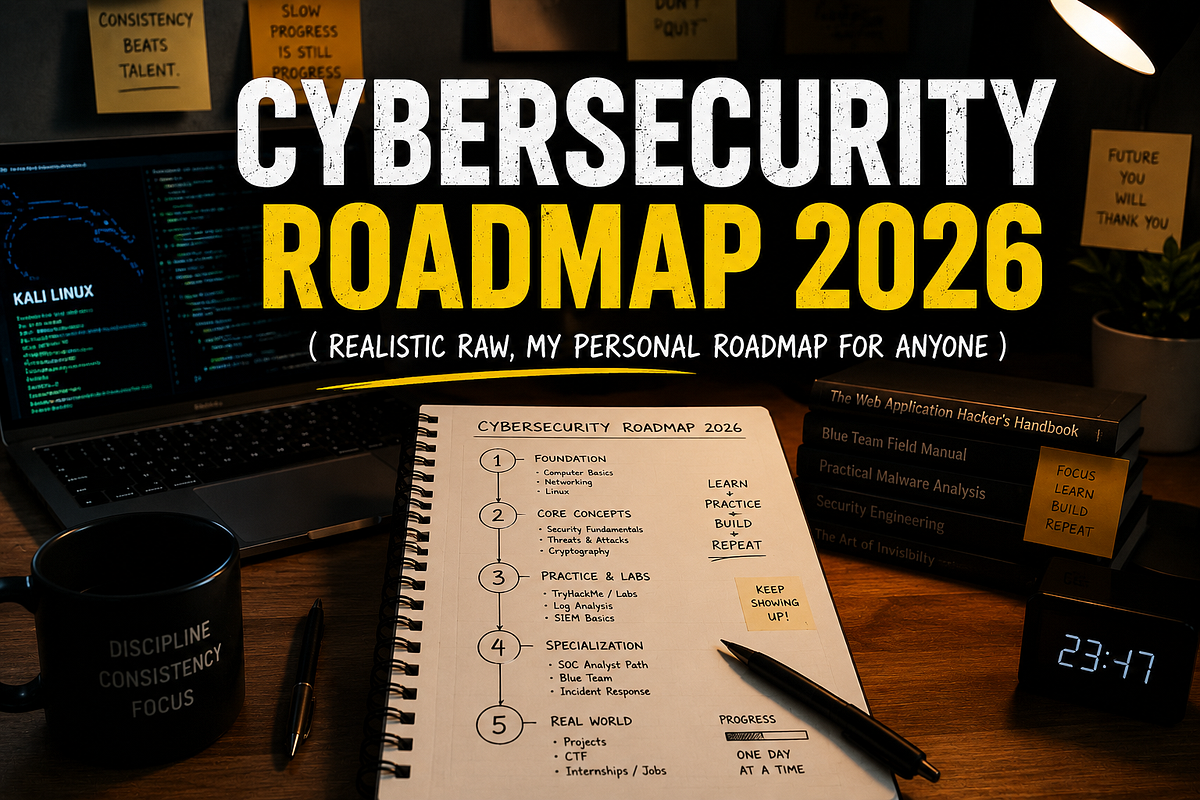 security What is Cybersecurity? A Complete Guide for Beginners
 security . Ethical Hacking vs Cybersecurity: Which Career Should You Choose in Kenya?
 security How to Start a Career in Cybersecurity in Kenya: A Beginner's Guide
 security Why Learn Cyber Security in 2027: A Complete Guide
 security Python Programming and Automation in Nairobi: Learn Coding for Cybersecurity and Technology
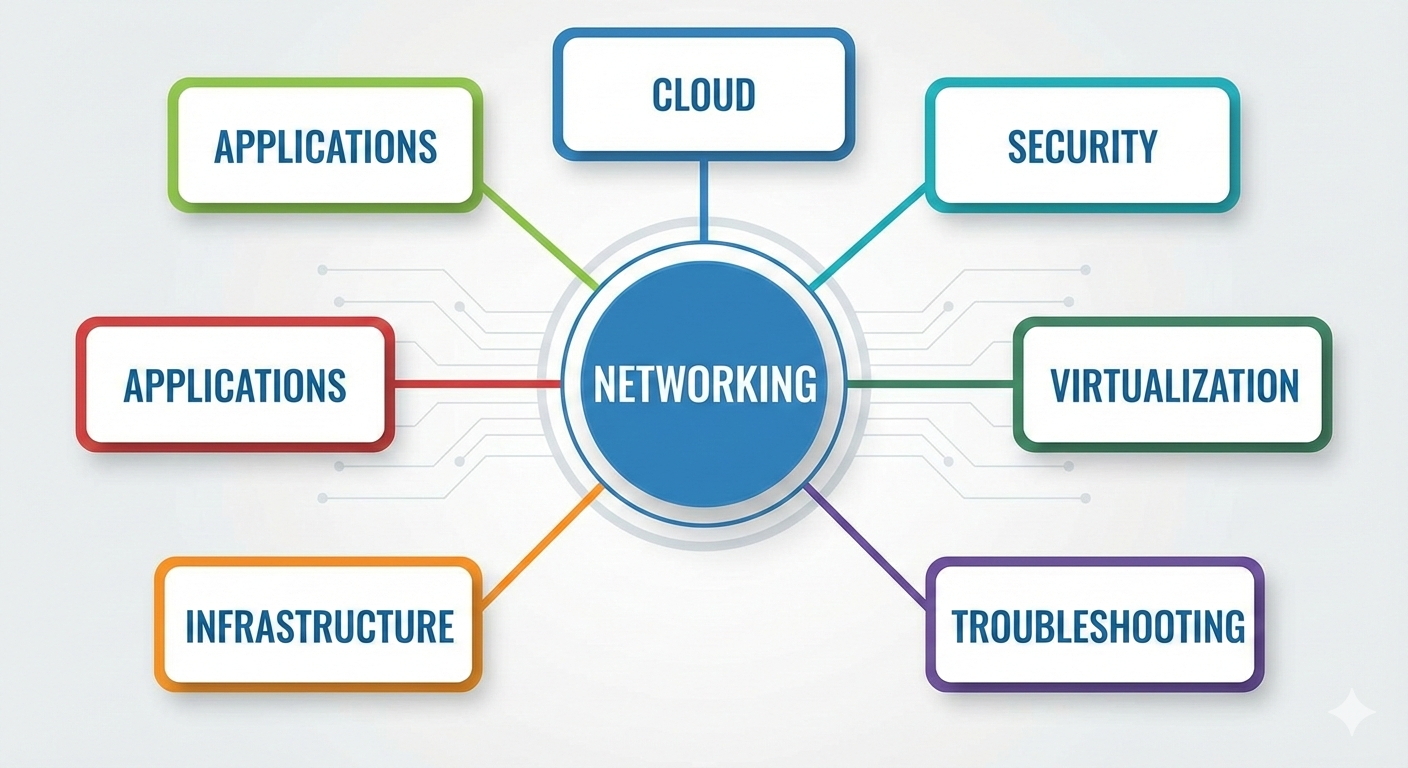 security Computer Systems and Networking Course in Nairobi: Learn the Technology Behind the Internet
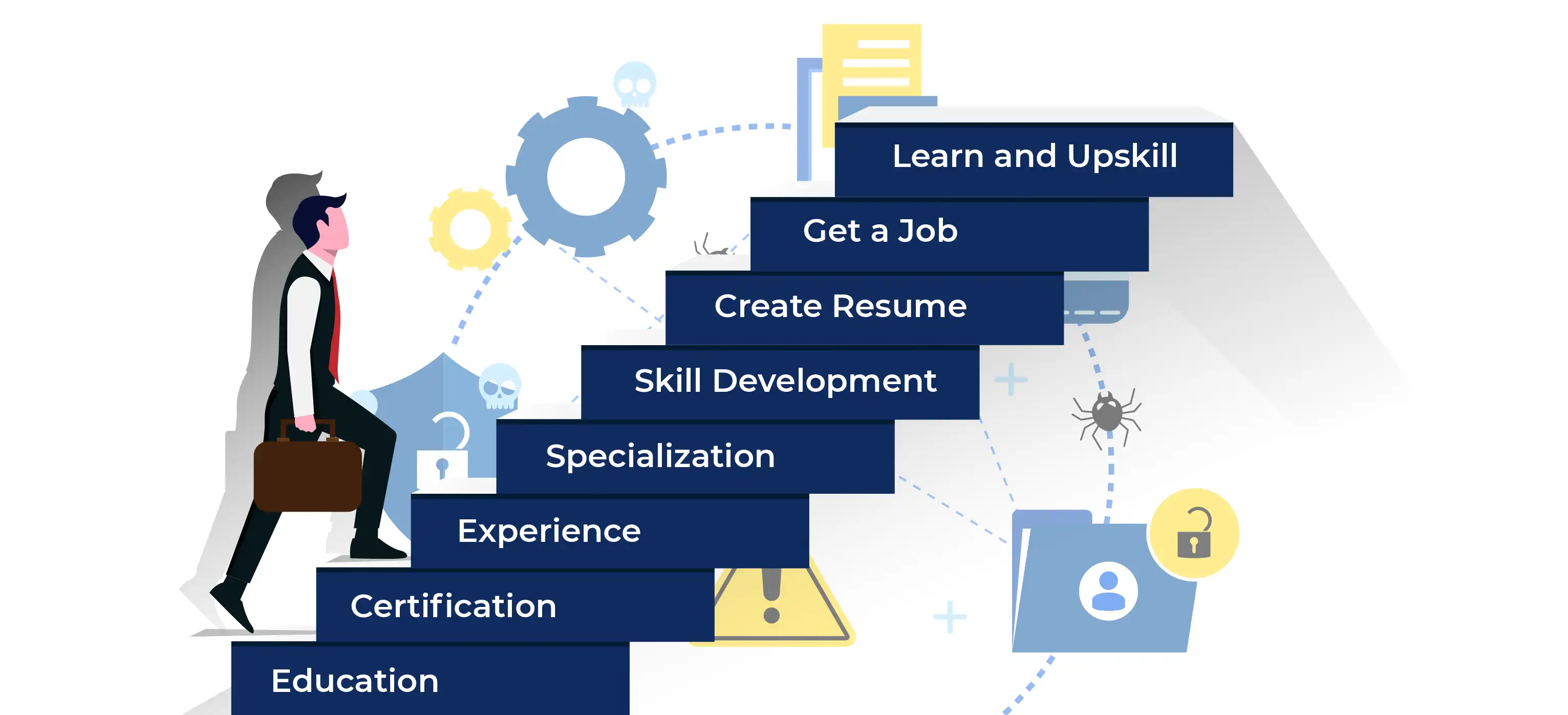 security Cybersecurity Training in Nairobi: Start Your Journey Towards a Career in Cybersecurity
 security The Future of Cybersecurity in Kenya: AI, Cloud Security and Threat Detection
You might also like
 data How to Build a Data Science Portfolio That Gets You Hired in Kenya
Nov 23, 2026
 software development Full Stack Web Development Course in Kenya: Learn to Build Websites and Applications
Nov 23, 2026
 programming/ coding Python Course in Nairobi: Master Practical Coding Skills in Kenya.
Nov 23, 2026
 AI tech Virtual Assistant Course in Kenya: Learn Remote Work & Earn Online
Nov 23, 2026
 AI tech AI Automation Course in Kenya: Build Smarter Workflows
Nov 23, 2026
 software development Software Engineering Course in Thika: Build Real Skills, Real Projects, Real Career Opportunities
Nov 13, 2026