Learn authentication and authorization in Python. Understand login systems, user permissions, roles and how to secure web applications — explained simply, with real examples.

Introduction
Every day, millions of people log into apps without thinking twice about what’s happening behind the screen. They type an email and password, maybe tap a fingerprint sensor, and suddenly they’re in — able to see their own data, but not anyone else’s.
That simple experience is actually two separate systems working together.
Take a college management system used by students, trainers, and administrators. Students should only access their own academic information. Trainers should manage their assigned classes, while administrators should have access to broader management features.
How does the system know who is accessing it, and separately, what that person is actually allowed to do once they’re in?
These two questions have two different answers: authentication and authorization. They sound similar, they’re often mentioned in the same breath, and new developers frequently mix them up — but they’re solving two distinct problems, and understanding that distinction clearly is one of the most useful things you can learn early in backend development.
What Is Authentication?
Authentication is the process of verifying the identity of a user.
For example, when a student logs into an online learning portal using an email address and password, the application checks whether the credentials are valid.
Common authentication methods include:
- Username and password
- Multi-factor authentication
- One-time passwords
- Session-based login
- Token-based authentication
- OAuth-based sign-in
What Is Authorization?
Authorization determines what an authenticated user is allowed to access or perform.
For example:
- A student can view their own results.
- A trainer can manage assigned course records.
- An administrator can manage users and courses.
- A finance officer can access authorized payment records.
A user can be successfully authenticated but still be denied access to a particular resource. This is the part beginners most often overlook: logging in successfully doesn’t automatically mean someone should see everything in the system.
Understanding the Difference
A simple way to remember it: authentication checks your ID at the door, authorization decides which rooms you’re allowed into once you’re inside.
Authentication | Authorization |
|---|---|
| Verifies identity | Determines permissions |
| Answers: Who are you? | Answers: What can you access? |
| Happens before protected access is granted | Is evaluated when access to a resource is requested |
| Example: User login | Example: Admin-only dashboard |
Practical Example: Role-Based Access Control
Consider a college application with three user roles:
users = {
    "student": ["view_courses", "view_results"],
    "trainer": ["view_courses", "manage_results"],
    "admin": ["view_courses", "manage_users", "manage_courses"]
}

def has_permission(role, permission):
    return permission in users.get(role, [])
Testing permissions:
print(has_permission("student", "manage_users"))
# False

print(has_permission("admin", "manage_users"))
# True
This demonstrates a basic permission check. A real application must retrieve the authenticated user’s role from trusted server-side data and enforce permissions on every protected operation — not just check once at login and assume everything afterward is safe.
Why “Checking Once” Isn’t Enough
A common beginner mistake is checking a user’s role only when they log in, then trusting that information for the rest of their session without rechecking it on each sensitive action. A more disciplined approach checks permissions again at the exact moment a protected action is requested — viewing another student’s results, deleting a record, accessing a finance report — so that even if something changes mid-session, the system stays consistent and safe.
How Authentication Works in a Python Backend
A typical login process follows these steps:
- A user submits an email and password.
- The backend retrieves the user’s account.
- The submitted password is checked against its stored password hash.
- If valid, the backend establishes an authenticated session or issues a suitable token.
- The application checks the user’s permissions when protected resources are accessed.
Passwords should never be stored as plain text. Use a suitable password-hashing mechanism such as Argon2id or bcrypt — these are designed specifically to make it extremely difficult to recover an original password even if a database is ever exposed, which is a very different (and much safer) guarantee than simply “keeping the database private.”
Authentication in Django
Django provides a built-in authentication system.
It supports:
- User accounts
- Password hashing
- Login and logout
- Groups and permissions
- Password reset workflows
- Session management
This makes Django useful for applications that need structured user access management, since much of this heavy lifting is already built in rather than something you need to design from scratch.
Authentication in FastAPI
FastAPI provides security utilities that developers can use to implement authentication mechanisms.
It can be integrated with:
- Password-based login systems
- Bearer tokens
- OAuth2 flows
- JWT-based authentication
- Role and permission checks
FastAPI gives developers more explicit control over how authentication is wired together, compared to Django’s more “batteries-included” approach — a good reason to learn both, since real job postings and client projects use each for different reasons.
Practical Student Projects
Project 1: Student Login System
Build a secure login and registration system.
Project 2: Role-Based Dashboard
Create separate dashboards for students, trainers, and administrators.
Project 3: Password Reset System
Allow users to request secure password reset links.
Project 4: Protected API
Create API endpoints that require authentication before access.
Project 5: Permission Management
Implement roles and permissions for different application users.
Building even one of these end to end — not just reading the code, but actually running into the edge cases yourself — is where this topic genuinely clicks. Most learners who struggle with authentication later on skipped exactly this kind of hands-on practice early.
Why Learn Authentication and Authorization?
These skills are essential when building:
- E-commerce platforms
- Student portals
- POS systems
- Hospital management systems
- Financial applications
- Business dashboards
- Mobile application backends
Learn Secure Backend Development at DAZU Training Institute
DAZU Training Institute encourages students to develop practical software engineering skills — and authentication and authorization aren’t taught as dry, theoretical security topics. They’re built into real projects from early on, so students understand why a cashier in a POS system should never have the same permissions as the administrator, not just as a rule to memorize, but as something they’ve actually had to design and defend in a real application.
For example, a student developing a POS system at DAZU should understand exactly why a cashier must not have the same permissions as the system administrator — and more importantly, how to actually implement that distinction correctly in code, test it, and catch the mistake if it’s ever set up wrong.
If the difference between authentication and authorization still feels a little blurry after reading this, that’s completely normal at this stage. This is one of those topics that becomes genuinely clear only once you’ve built a login system yourself and watched what happens when permissions are set up correctly — and, just as importantly, when they’re not. At DAZU, learners build real role-based systems step by step, with instructors available to explain the reasoning behind each decision, rather than being left to piece it together from documentation alone.
This is how programming knowledge becomes useful in actual business applications.
Explore courses: https://dazu.ac.ke/courses
Contact: +254 722 922 454
Frequently Asked Questions
1. Can authentication and authorization be used together?
Yes. Applications commonly authenticate users and then check their permissions before allowing access to protected resources.
2. Is a login system enough to secure an application?
No. A secure application also needs authorization, input validation, secure password storage, session protection, and other security controls.
3. What is role-based access control?
It is an access control approach in which permissions are assigned to roles, and users receive permissions through their assigned roles.
4. Does Django support user authentication?
Yes. Django includes a built-in authentication system.
5. Can FastAPI support role-based permissions?
Yes. Developers can implement role and permission checks using dependencies and trusted user information.
6. Is this topic difficult for complete beginners?
Not if it’s introduced gradually with real examples. The core ideas — “who are you” and “what are you allowed to do” — are simple on their own; the complexity comes from applying them consistently across a real application, which is exactly the kind of skill that improves quickly with guided, hands-on practice.
Conclusion
Authentication and authorization are essential components of secure backend development.
Understanding how users log in and how their permissions are managed helps you build applications that protect information and prevent unauthorized access — and like most backend security concepts, it becomes far less intimidating once you’ve actually built it yourself.
Learn to build secure software systems with DAZU Training Institute — beginner-friendly, hands-on, and built around real projects.
Visit: https://dazu.ac.ke/courses
Contact: +254 722 922 454
Related articles
 programming/ coding FastAPI Python Framework: Learn to Build Modern and High-Performance REST APIs
 programming/ coding SQLAlchemy and Django ORM: Learn Python Database Management Without Writing Every SQL Query
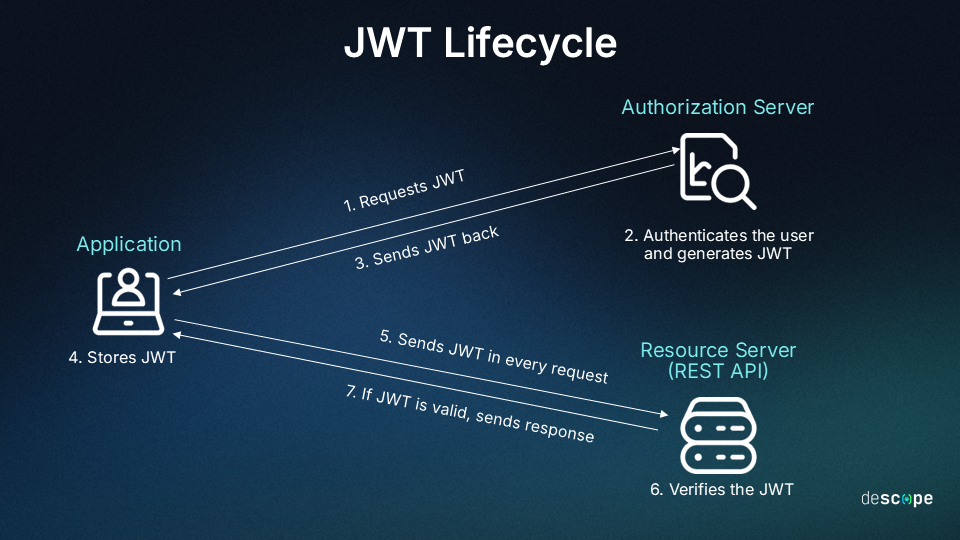 programming/ coding JWT and OAuth2 in Python: Learn Modern API Authentication and Token Security
 programming/ coding Python API Security: How to Protect Backend Applications from Cyber Threats
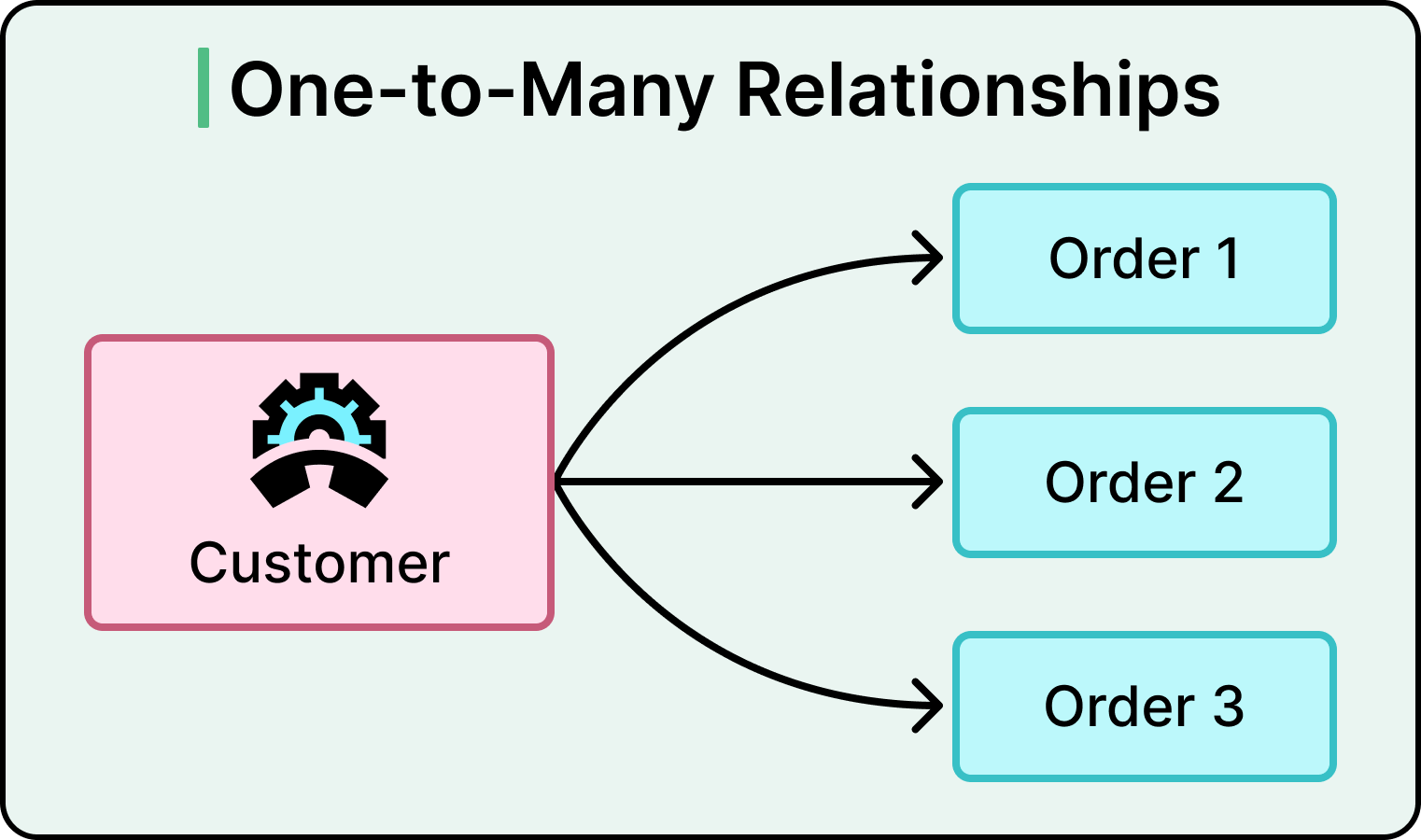 programming/ coding Database Relationships in Python: Learn One-to-One, One-to-Many and Many-to-Many Relationships
 programming/ coding Python Application Deployment: Learn How to Launch Django and FastAPI Projects Online
 programming/ coding Python Programming Course in Kenya: Learn Functions, Data Structures and Practical Problem-Solving
 programming/ coding Python Programming Course in Kenya: Build Real-World Projects with APIs, Databases and Automation
You might also like
 security What is Cybersecurity? A Complete Guide for Beginners
Nov 16, 2026
 software development Software Engineering Course in Thika: Build Real Skills, Real Projects, Real Career Opportunities
Nov 13, 2026
 beauty el Nails, Acrylic Nails and Nail Art: Which Skills Should You Learn?
Nov 13, 2026
 beauty Beauty Skills You Can Learn and Turn Into a Profitable Business in Kenya
Nov 13, 2026
 beauty Manicure and Pedicure Course in Kenya: Everything You Need to Know
Nov 13, 2026
 beauty : How to Become a Professional Nail Technician in Kenya
Nov 13, 2026