
Learn Python programming and automation in Nairobi. Discover coding skills, practical projects and how Python supports cybersecurity and IT careers.
https://www.tiktok.com/@dazuhub/video/7663528434714414357?is_from_webapp=1&sender_device=pc
Introduction
Imagine writing a simple program that can organize hundreds of files, analyse computer logs or automatically perform repetitive tasks.
Instead of doing everything manually, you can write instructions that allow a computer to complete the work.
This is the power of programming and automation.
Python is one of the most widely used programming languages for beginners, software developers, data professionals and cybersecurity practitioners.
For young people interested in technology, learning Python creates opportunities to explore software development, automation and cybersecurity.
What Is Python Programming?
Python is a high-level programming language known for its readable syntax and wide range of applications.
It is used in:
Software development.
Artificial intelligence.
Data analysis.
Web development.
Cybersecurity.
Task automation.
System administration.
For example, a Kenyan retail business can use Python to process sales records, generate reports and automate repetitive administrative tasks.
Why Is Python Important in Cybersecurity?
Cybersecurity professionals often deal with large amounts of technical information.
Python helps automate certain activities, analyse data and develop tools that support security investigations.
Consider a company that generates hundreds of system log entries every day.
A Python script can help identify repeated failed login attempts and highlight suspicious patterns for further investigation.
Python can also be used to:
Process security logs.
Organize and analyse files.
Automate routine system tasks.
Work with APIs.
Perform basic network-related tasks.
Develop security-related scripts in controlled environments.
What Will You Learn During Python Training?
1. Python Fundamentals
Learn variables, data types, operators, input and output.
2. Conditional Statements
Understand how programs make decisions using if, elif and else.
3. Loops
Learn how to repeat tasks using for and while loops.
4. Functions
Organize code into reusable blocks that make programs easier to manage.
5. Lists and Dictionaries
Learn how to store, organize and process information.
6. File Handling
Understand how Python reads, writes and processes files.
7. Object-Oriented Programming
Learn classes, objects and other concepts used in developing structured applications.
8. Automation
Use Python to automate repetitive tasks and simplify technical operations.
Practical Python Projects for Beginners
The best way to understand programming is by building projects.
Here are examples that students can develop.
Project 1: Password Strength Checker
Create a program that evaluates password characteristics such as length, numbers and special characters.
Project 2: Failed Login Log Analyser
Build a script that reads a sample system log and identifies repeated failed login attempts.
Project 3: File Organizer
Create a program that automatically sorts files into folders based on their extensions.
Project 4: Network Information Tool
Develop a simple script that displays basic network information from the local computer.
Project 5: Security Awareness Quiz
Create an interactive Python application that tests users' understanding of phishing, passwords and online security.
These projects introduce students to programming logic while connecting coding to real-world technology problems.
How Python Can Help You Build a Career
Python is useful across several technology fields.
Possible career directions include:
Python developer.
Junior software developer.
Automation developer.
Cybersecurity analyst with scripting skills.
Data analyst.
Backend developer.
IT support specialist.
Python alone does not guarantee employment, but combining it with projects, problem-solving ability and relevant technical knowledge can strengthen your professional profile.
Why Young People Should Learn Python
It is beginner-friendly: Python's readable syntax makes it suitable for people starting their programming journey.
It has multiple applications: You can use the same language in software development, automation, data science and cybersecurity.
It encourages problem-solving: Programming teaches you how to break complex challenges into smaller steps.
It supports innovation: You can build applications, automate business processes and create useful digital solutions.
Learn Python Programming at DAZU Training Institute
At DAZU Training Institute, Python programming and automation form part of the technical learning pathway relevant to cybersecurity and wider technology development.
Learners can develop programming foundations and explore how coding supports practical technical tasks.
For example, a student can progress from writing basic Python programs to developing scripts that process information and support security-related exercises.
If you are interested in learning programming and exploring cybersecurity, Python is an excellent skill to add to your technical foundation.
Explore available courses: https://dazu.ac.ke/courses
Contact: +254 722 922 454
Frequently Asked Questions
1. Can I learn Python without previous programming experience?
Yes. Python is suitable for beginners, and you can start by learning variables, data types, conditions and loops.
2. Is Python useful in ethical hacking?
Yes. Python can support automation, scripting, information processing and security testing in authorized environments.
3. How long does it take to learn Python?
The time depends on your learning schedule, practice and project complexity. Basic concepts can be learned before progressing to more advanced applications.
4. Do I need mathematics to learn Python?
Basic logical and mathematical thinking is useful, but you do not need advanced mathematics to begin programming.
5. What should I build after learning Python basics?
Start with small projects such as calculators, file organizers, password checkers and log analysis tools. Gradually progress to more complex applications.
Conclusion
Programming is no longer limited to professional software developers. It is a valuable skill for anyone interested in understanding and creating technology.
Python gives young people a practical way to explore coding, automation and cybersecurity.
Do not just learn what programming is. Learn how to use it to solve real problems.
Start learning Python and develop practical technology skills at DAZU Training Institute.
Visit https://dazu.ac.ke/courses
Contact: +254 722 922 454
Related articles
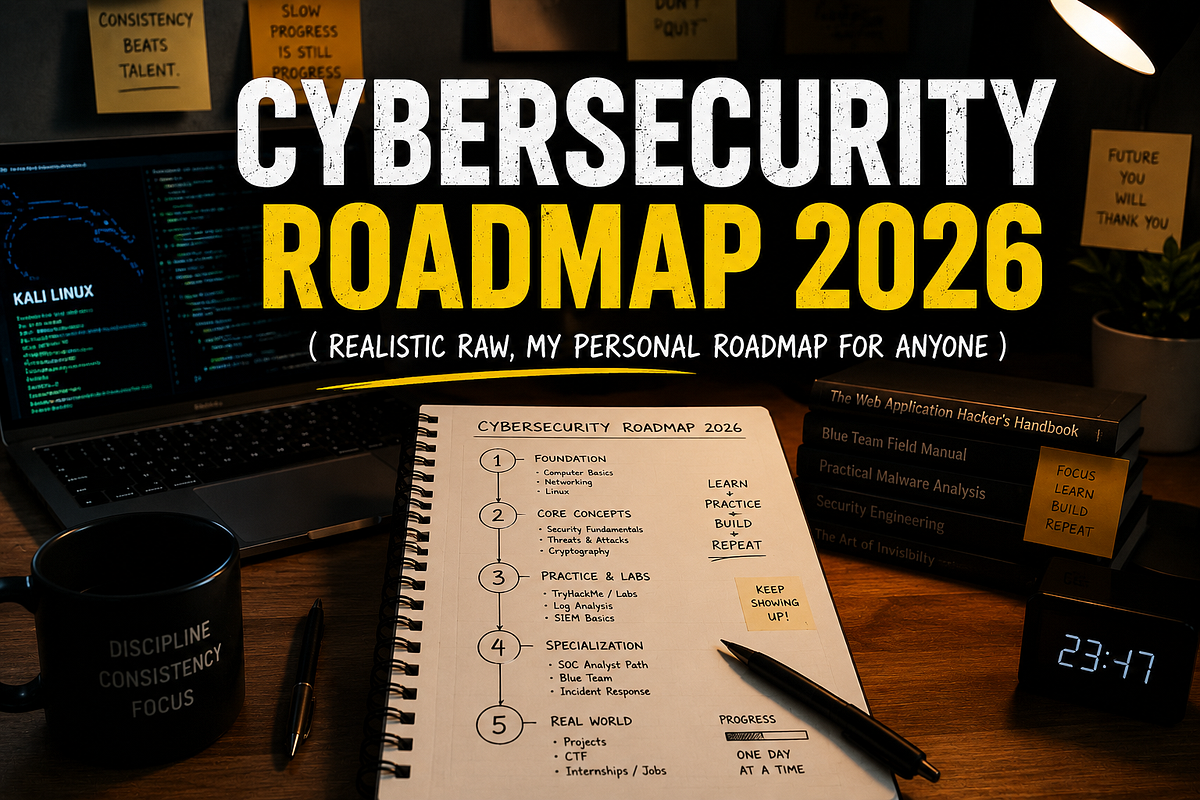 security What is Cybersecurity? A Complete Guide for Beginners
 security . Ethical Hacking vs Cybersecurity: Which Career Should You Choose in Kenya?
 security How to Start a Career in Cybersecurity in Kenya: A Beginner's Guide
 security Why Learn Cyber Security in 2027: A Complete Guide
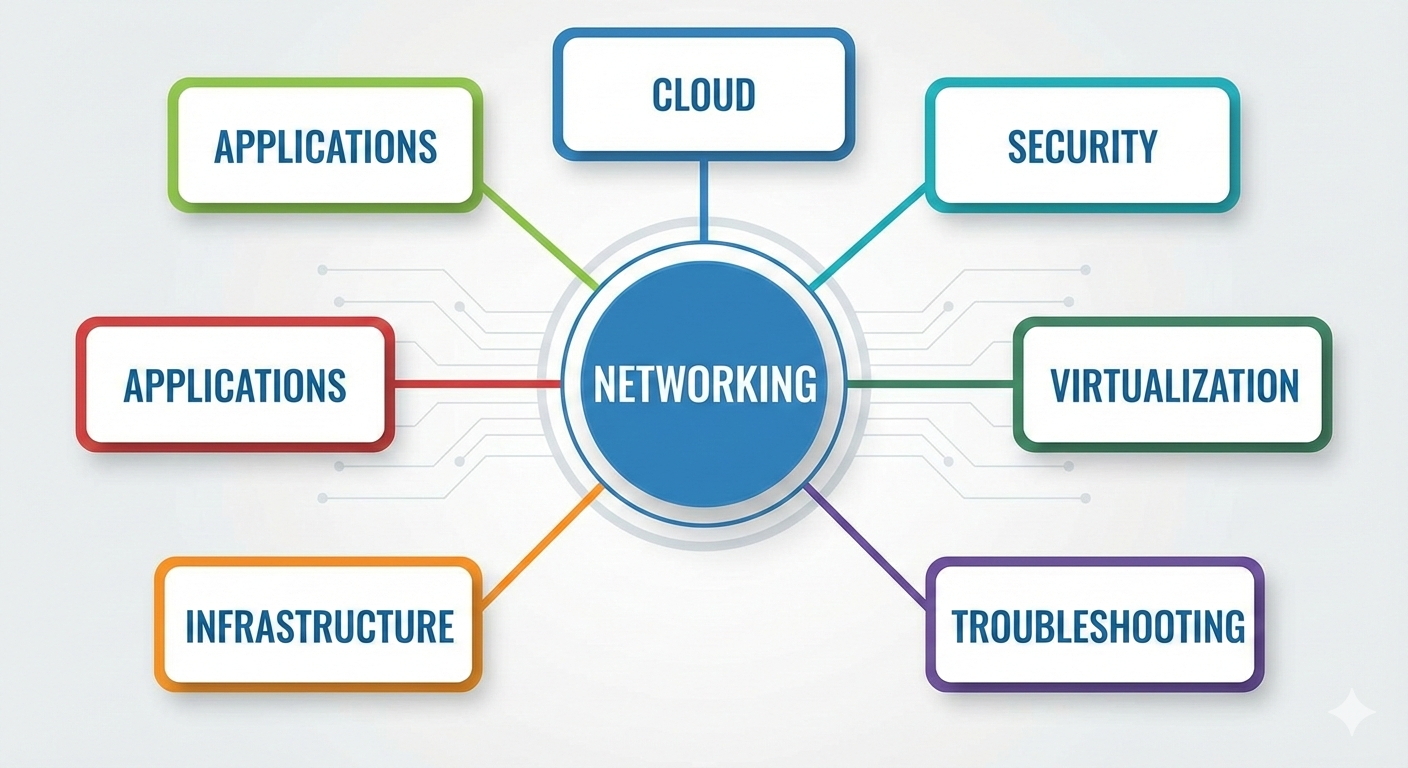 security Computer Systems and Networking Course in Nairobi: Learn the Technology Behind the Internet
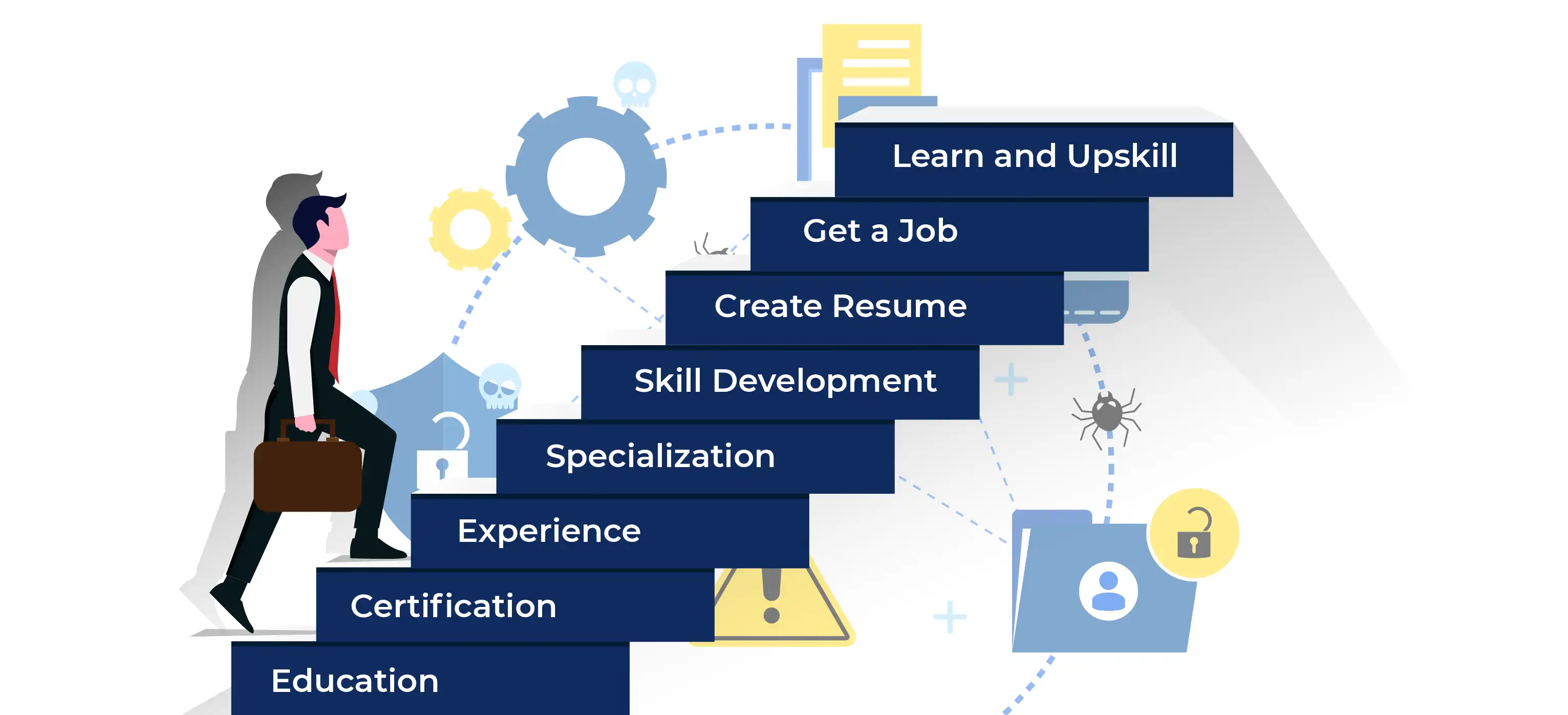 security Cybersecurity Training in Nairobi: Start Your Journey Towards a Career in Cybersecurity
 security The Future of Cybersecurity in Kenya: AI, Cloud Security and Threat Detection
 security Why Choose Dazu School of Tech for Cybersecurity Training in Nairobi?
You might also like
 software development Software Engineering Course in Thika: Build Real Skills, Real Projects, Real Career Opportunities
Nov 13, 2026
 beauty el Nails, Acrylic Nails and Nail Art: Which Skills Should You Learn?
Nov 13, 2026
 beauty Beauty Skills You Can Learn and Turn Into a Profitable Business in Kenya
Nov 13, 2026
 beauty Manicure and Pedicure Course in Kenya: Everything You Need to Know
Nov 13, 2026
 beauty : How to Become a Professional Nail Technician in Kenya
Nov 13, 2026
 caregiver How Caregiving Can Open Doors to International Employment Opportunitie
Nov 12, 2026