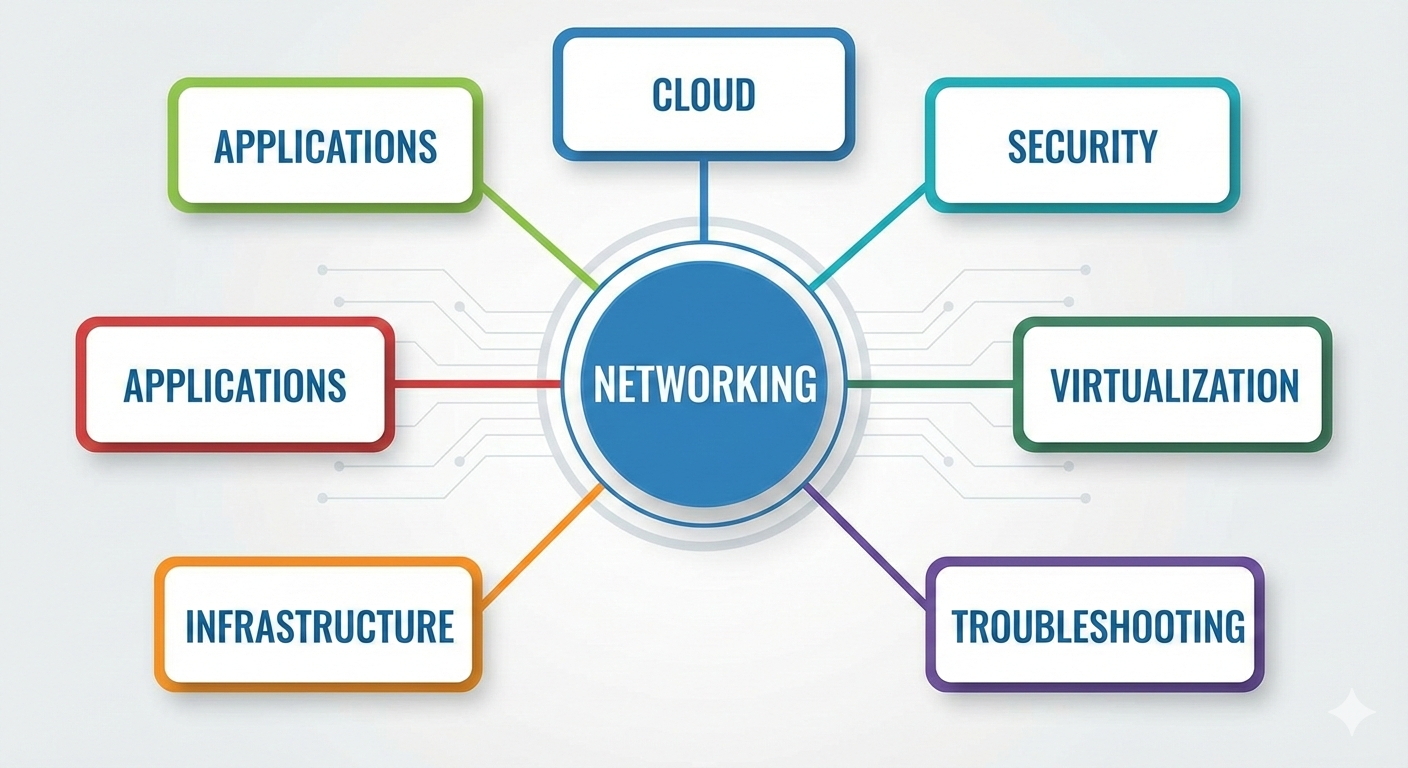
Learn computer systems and networking in Nairobi. Discover practical IT skills, network configuration and career opportunities for technology beginners.
Introduction
Every time you send money through M-Pesa, browse a website, connect to Wi-Fi or access an online learning platform, computer systems and networks are working behind the scenes.
But have you ever wondered how these systems communicate?
How does a computer connect to the internet? How do banks connect their branches? How can a business share files securely between different computers?
These are some of the questions that computer systems and networking help you understand.
For young people interested in technology, learning computer systems and networking is an excellent starting point for developing IT and cybersecurity skills.
What Are Computer Systems and Networking?
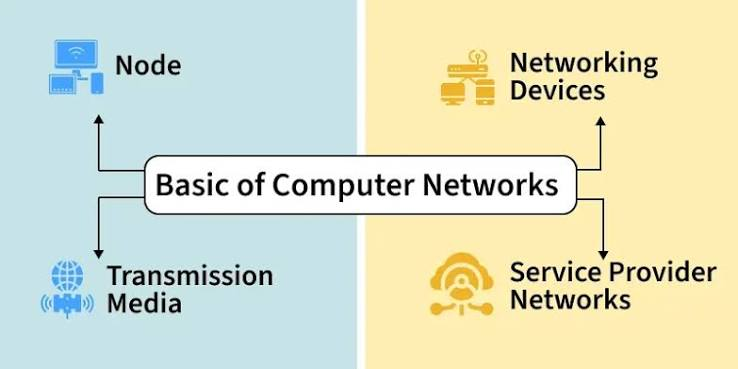
Computer systems involve the hardware, software and operating systems that allow computers to perform tasks.
Networking involves connecting computers and other devices so they can communicate and share resources.
For example, consider a supermarket in Nairobi with several checkout computers. These computers may connect to a central server that manages sales, stock and customer information.
A properly configured network allows the devices to communicate efficiently.
Why Is Networking Important in Cybersecurity?
You cannot effectively secure a network without understanding how it works.
Cybersecurity professionals need to understand:
How devices communicate.
How IP addresses work.
How data travels across networks.
How routers and switches operate.
How network vulnerabilities develop.
How firewalls help control network traffic.
A strong networking foundation makes it easier to understand advanced security topics.
What Will You Learn?
1. Computer Hardware and Components
Understand computer components such as processors, RAM, storage devices, motherboards and networking interfaces.
2. Operating Systems
Learn how operating systems manage computer resources, applications, users and files.
3. IP Addressing
Understand how devices are identified and communicate over networks.
4. Routers and Switches
Learn how networking devices connect computers and direct communication.
5. Network Configuration
Practise configuring network devices and connecting computers.
6. Network Security Fundamentals
Understand firewalls, secure access, network segmentation and basic security practices.
Practical Examples You Can Work On
Project 1: Design a School Computer Network
Imagine a school with three departments: administration, accounts and computer laboratories.
Design a network that allows each department to communicate while maintaining appropriate access restrictions.
Project 2: Configure a Small Office Network
Connect several computers using switches and configure IP addresses to enable communication.
Project 3: Build a Network Using Cisco Packet Tracer
Use network simulation software to design and test a network without requiring expensive physical equipment.
Project 4: Troubleshoot Network Problems
Investigate common problems such as incorrect IP configurations, disconnected devices and failed network connections.
These projects help you understand how real computer networks operate.
Career Opportunities in Computer Systems and Networking
Developing networking skills can prepare you for further learning and roles such as:
IT support technician.
Network support technician.
Computer systems technician.
Junior network administrator.
Technical support specialist.
Network security technician.
With additional experience and qualifications, you can progress into more specialized networking and cybersecurity roles.
Why Should KCSE Graduates Consider Networking?
You do not need to become an expert in technology overnight.
Computer systems and networking provide a foundation for understanding the digital world.
For example, a student who starts by learning how to connect computers can later progress into network administration, cloud computing, cybersecurity or systems engineering.
It is a practical starting point for a technology career.
Learn Computer Systems and Networking at DAZU Training Institute
DAZU Training Institute provides technology training pathways designed to help learners develop practical technical knowledge.
Computer systems and networking are important components of the cybersecurity learning pathway, helping students understand the infrastructure they will eventually learn to protect.
Through practical exercises and guided learning, students can develop an understanding of network configuration, computer systems and basic network security.
If you are interested in learning how computers communicate and how networks operate, explore the available courses.
Visit https://dazu.ac.ke/courses
Contact: +254 722 922 454
Frequently Asked Questions
1. Do I need computer experience to study networking?
Basic computer knowledge is helpful, but beginners can learn networking concepts progressively.
2. Which software is used to learn networking?
Cisco Packet Tracer is a useful networking simulation tool. Other tools may include Wireshark and network diagnostic utilities.
3. Is networking important for cybersecurity?
Yes. Networking provides the foundation for understanding network attacks, traffic analysis and network protection.
4. Can networking lead to employment?
Networking knowledge can support entry-level IT and technical support opportunities, depending on your practical skills, qualifications and experience.
5. Can I learn networking after KCSE?
Yes. KCSE graduates can begin with computer fundamentals and progress to networking and more advanced IT subjects.
Conclusion
Computer systems and networking are among the most important foundations of the technology industry.
From small businesses to large financial institutions, organizations depend on reliable computer networks to operate.
If you want to build a future in IT or cybersecurity, start by understanding the systems that power the digital world.
Take your first step towards a technology career with DAZU Training Institute.
Explore courses: https://dazu.ac.ke/courses
Contact: +254 722 922 454
Related articles
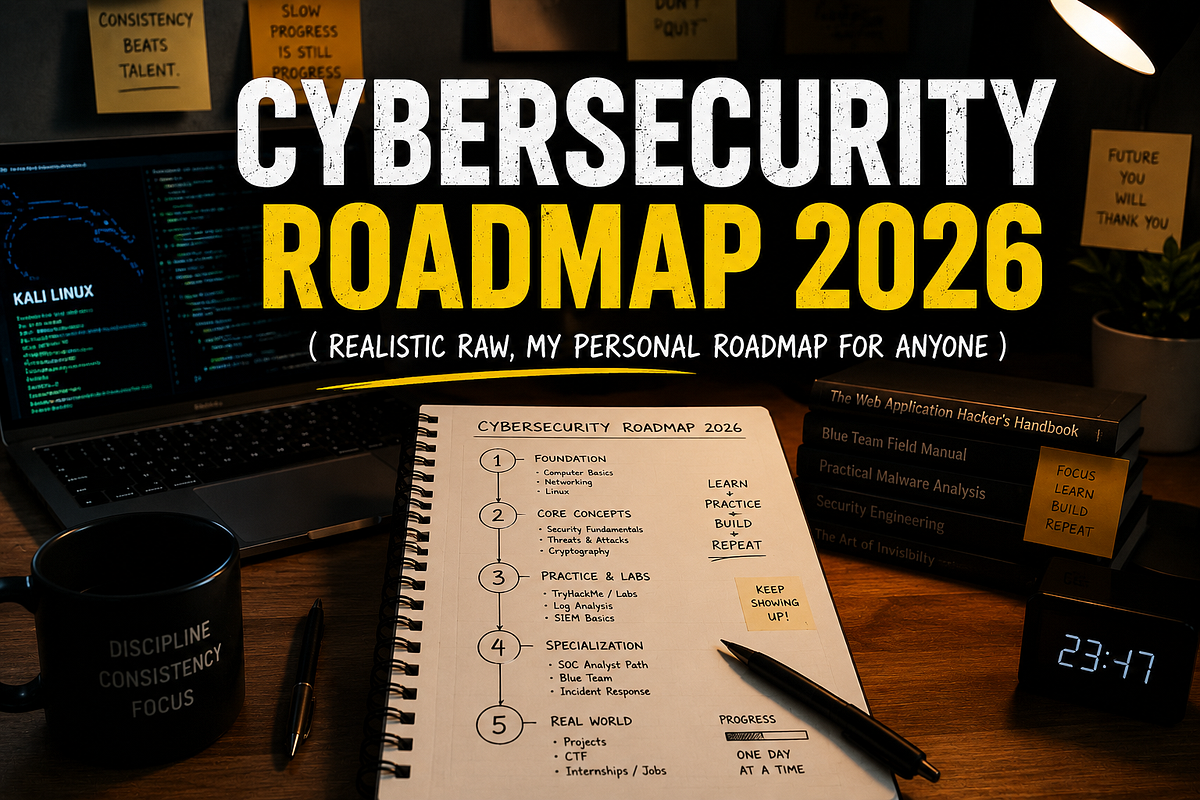 security What is Cybersecurity? A Complete Guide for Beginners
 security . Ethical Hacking vs Cybersecurity: Which Career Should You Choose in Kenya?
 security How to Start a Career in Cybersecurity in Kenya: A Beginner's Guide
 security Why Learn Cyber Security in 2027: A Complete Guide
 security Python Programming and Automation in Nairobi: Learn Coding for Cybersecurity and Technology
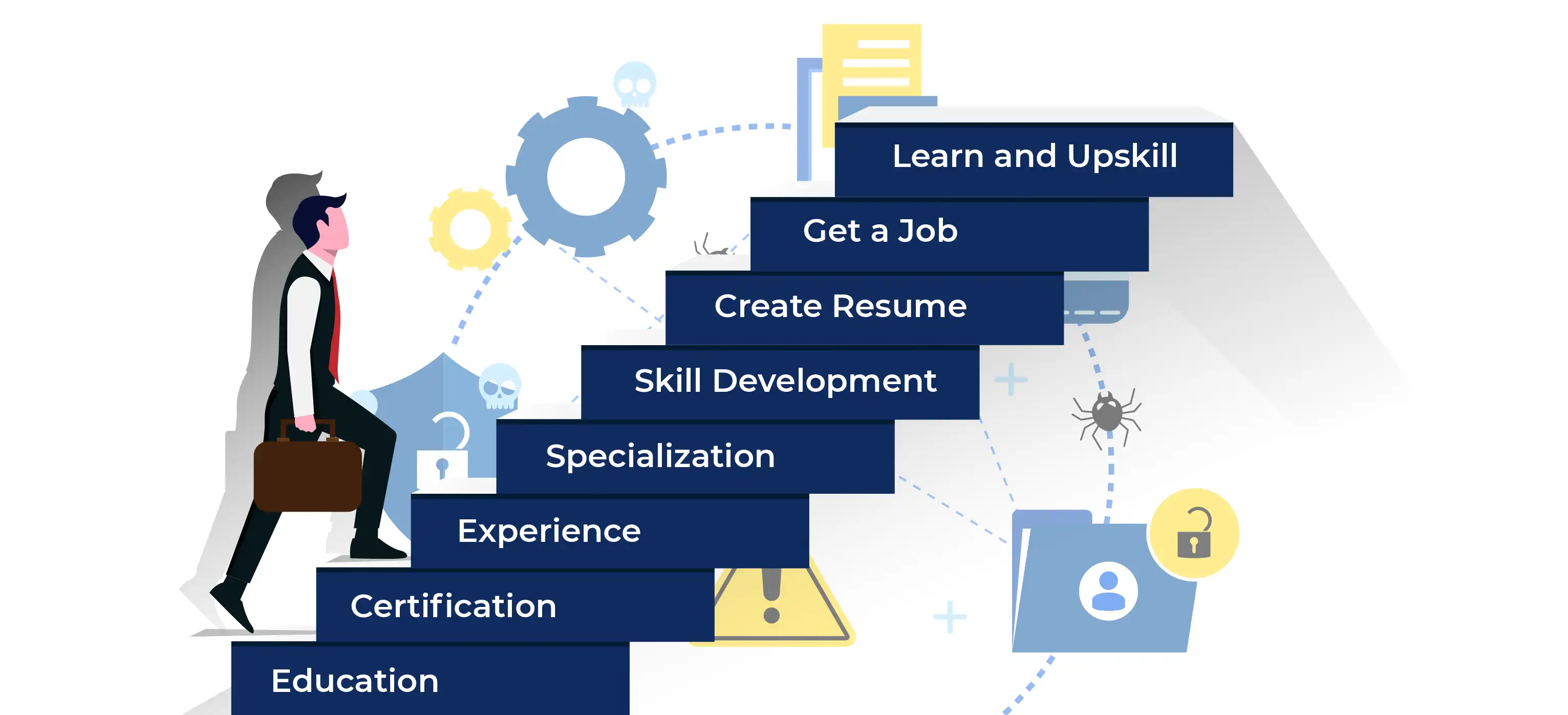 security Cybersecurity Training in Nairobi: Start Your Journey Towards a Career in Cybersecurity
 security The Future of Cybersecurity in Kenya: AI, Cloud Security and Threat Detection
 security Why Choose Dazu School of Tech for Cybersecurity Training in Nairobi?
You might also like
 software development Software Engineering Course in Thika: Build Real Skills, Real Projects, Real Career Opportunities
Nov 13, 2026
 beauty el Nails, Acrylic Nails and Nail Art: Which Skills Should You Learn?
Nov 13, 2026
 beauty Beauty Skills You Can Learn and Turn Into a Profitable Business in Kenya
Nov 13, 2026
 beauty Manicure and Pedicure Course in Kenya: Everything You Need to Know
Nov 13, 2026
 beauty : How to Become a Professional Nail Technician in Kenya
Nov 13, 2026
 caregiver How Caregiving Can Open Doors to International Employment Opportunitie
Nov 12, 2026