
Learn Python programming from scratch in Kenya with practical coding examples, beginner projects and a step-by-step guide from Dazu School of Tech.
https://www.tiktok.com/@dazuhub/video/7691333953575210248?is_from_webapp=1&sender_device=pc
Python Programming Course in Kenya: A Complete Beginner’s Guide
Technology is transforming how Kenyan businesses operate, how students learn and how professionals solve everyday problems. From e-commerce and digital payments to artificial intelligence and business automation, programming skills are becoming increasingly valuable.
One of the best programming languages to start with is Python.
Python is known for its readable syntax and wide range of applications. Beginners can use it to learn programming fundamentals before progressing to software development, data science, cybersecurity, automation and artificial intelligence.
At Dazu School of Tech, learners can explore practical technology skills and develop their understanding through coding exercises and project-based learning.
What Is Python Programming?
Python is a general-purpose programming language used to build applications, automate repetitive tasks, process information and develop software systems.
Imagine a small electronics shop in Nairobi that records daily sales manually. A Python program could calculate total sales, identify the highest-value transaction and generate a daily summary.
Python is used in:
Software and web development
Data science and analytics
Artificial intelligence and machine learning
Cybersecurity and automation
API integration and application testing
Business reporting and data processing
Why Learn Python in Kenya?
Python offers a useful entry point for students, graduates, entrepreneurs and professionals interested in technology.
Its readable syntax makes it suitable for beginners, while its extensive ecosystem supports more advanced applications.
For example, a business owner in Thika could use Python to analyse sales records, while a software developer could use it to build a web application's backend.
Learning Python gives you a foundation for exploring these opportunities, although each specialisation requires additional skills and practice.
Essential Python Concepts for Beginners
1. Variables and Data Types
Variables store information such as names, prices and quantities.
product = "Laptop Bag"
price = 1800
quantity = 3

total = price * quantity

print("Product:", product)
print("Total: KSh", total)
This program calculates the total cost of three laptop bags priced at KSh 1,800 each.
2. Conditions
Conditions allow programs to make decisions.
attendance = 85

if attendance >= 80:
    print("Attendance requirement met")
else:
    print("More attendance is required")
A similar concept can be used in a student management prototype to classify attendance records.
3. Loops
Loops repeat instructions without requiring the same code to be written multiple times.
for number in range(1, 6):
    print("Python practice session", number)
4. Functions
Functions organise code into reusable blocks.
def calculate_total(price, quantity):
    return price * quantity

print(calculate_total(1800, 3))
Functions help programmers create applications that are easier to maintain and improve.
Build Your First Python Project
Imagine a student at Dazu School of Tech building a simple sales calculator for a family business.
sales = [1200, 2500, 800, 3400, 1500]

total_sales = sum(sales)
average_sale = total_sales / len(sales)

print("Total sales: KSh", total_sales)
print("Average transaction: KSh", round(average_sale, 2))
The program calculates total sales and the average transaction value.
You can improve this project by adding product names, transaction dates, CSV file storage and a report showing daily performance.
This is how beginners progress from basic programming exercises to practical applications.
How to Start Learning Python
Learn variables, data types and operators.
Practise conditions and loops.
Understand functions and data structures.
Learn how to read and write files.
Build small projects and practise debugging.
Use Git to manage your code as your projects grow.
Explore a specialisation such as software development, AI or data science.
Consistent practice is more important than memorising every Python command.
Learn Python at Dazu School of Tech
If you are searching for a Python programming course in Kenya, look for training that combines theory with hands-on coding, problem-solving and project development.
Dazu School of Tech offers a starting point for learners exploring technology education. Visit dazu.ac.ke to explore current training opportunities and confirm course details, fees and delivery options.
Start with the basics, practise consistently and build your first working application.
Frequently Asked Questions
Is Python suitable for beginners?
Yes. Python's readable syntax makes it a reasonable first programming language. Regular practice is still essential.
How long does it take to learn Python?
You may understand basic concepts within a few weeks of consistent practice, but building strong application development skills takes longer.
Can I learn Python without a computer science degree?
Yes. You can learn Python independently of a computer science degree. Your practical skills, portfolio and experience will matter for the opportunities you pursue.
Can Python be used for artificial intelligence?
Yes. Python is widely used in AI and machine learning. These areas also require knowledge of data processing, model evaluation and other relevant concepts.
Where can I study Python in Kenya?
Visit Dazu School of Tech to explore available technology training programmes.
Continue learning: Read our next article on Python functions, data structures and practical problem-solving.
Related articles
 programming/ coding FastAPI Python Framework: Learn to Build Modern and High-Performance REST APIs
 programming/ coding SQLAlchemy and Django ORM: Learn Python Database Management Without Writing Every SQL Query
 programming/ coding Authentication and Authorization in Python: Secure User Access in Backend Applications
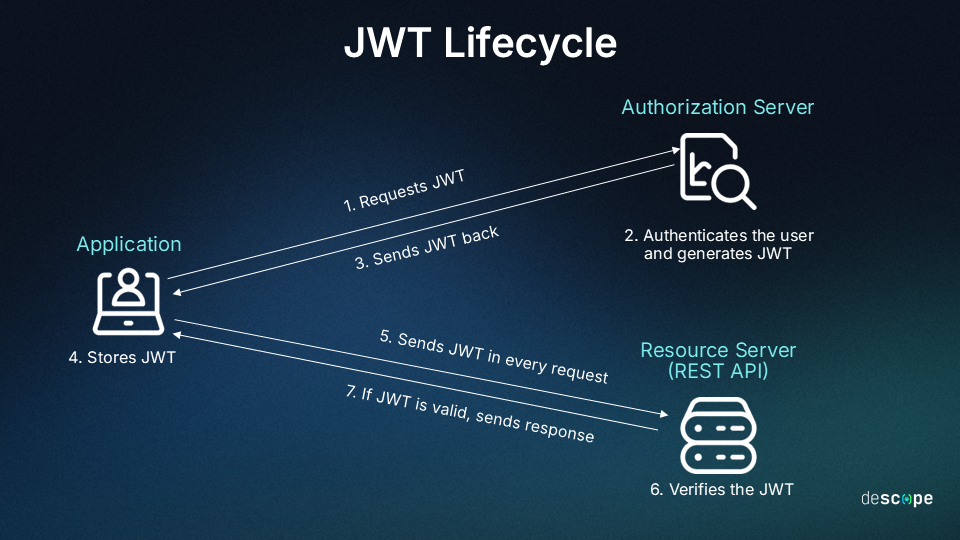 programming/ coding JWT and OAuth2 in Python: Learn Modern API Authentication and Token Security
 programming/ coding Python API Security: How to Protect Backend Applications from Cyber Threats
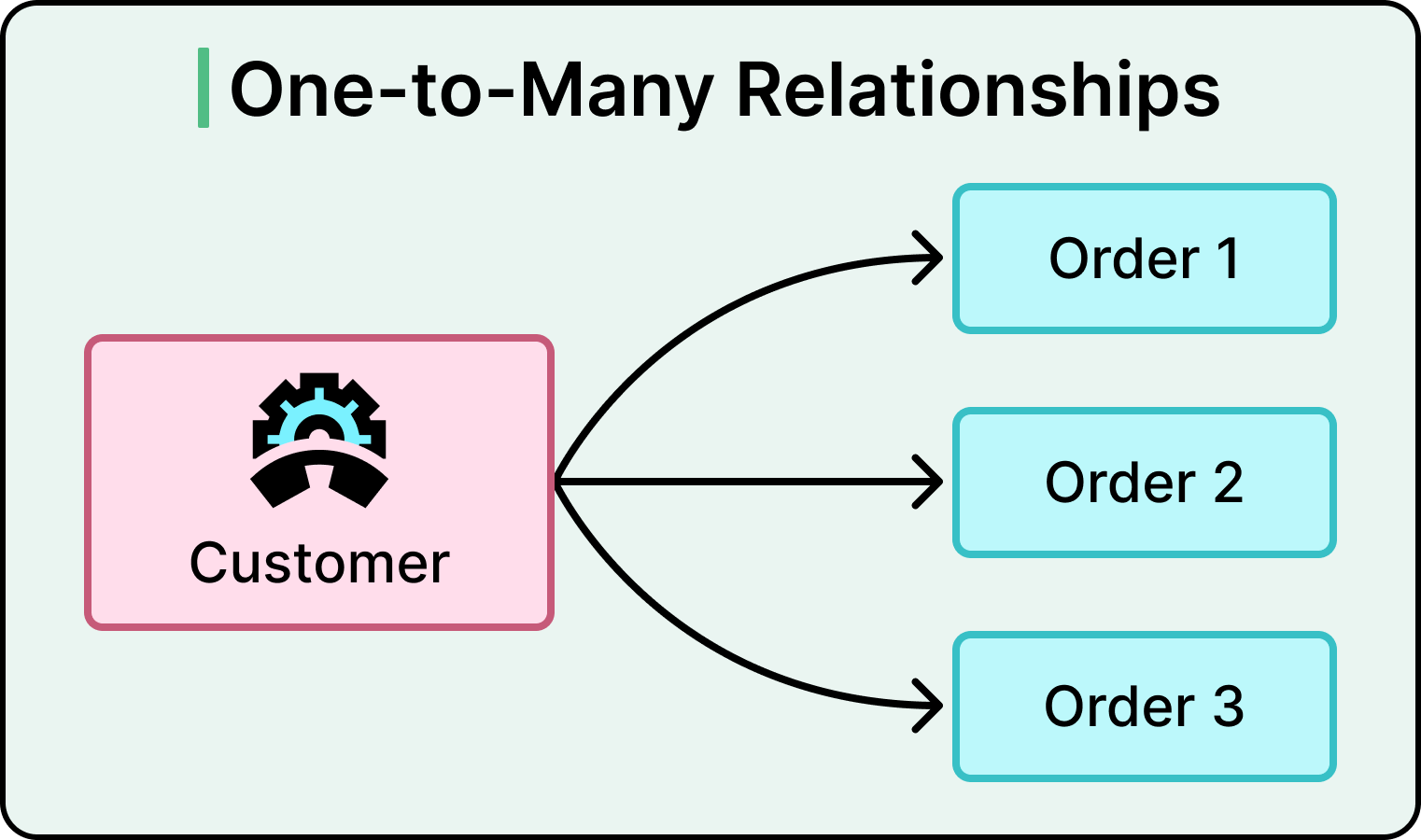 programming/ coding Database Relationships in Python: Learn One-to-One, One-to-Many and Many-to-Many Relationships
 programming/ coding Python Application Deployment: Learn How to Launch Django and FastAPI Projects Online
 programming/ coding Python Programming Course in Kenya: Learn Functions, Data Structures and Practical Problem-Solving
You might also like
 security What is Cybersecurity? A Complete Guide for Beginners
Nov 16, 2026
 software development Software Engineering Course in Thika: Build Real Skills, Real Projects, Real Career Opportunities
Nov 13, 2026
 beauty el Nails, Acrylic Nails and Nail Art: Which Skills Should You Learn?
Nov 13, 2026
 beauty Beauty Skills You Can Learn and Turn Into a Profitable Business in Kenya
Nov 13, 2026
 beauty Manicure and Pedicure Course in Kenya: Everything You Need to Know
Nov 13, 2026
 beauty : How to Become a Professional Nail Technician in Kenya
Nov 13, 2026