
Young entrepreneurs, school leavers and people interested in self-employment
High-Demand Beauty Skills to Build a Business in Kenya
The personal care and beauty industry in Kenya is experiencing unprecedented growth. Driven by an expanding urban middle class, the rise of digital media, and an increasing cultural emphasis on personal grooming, the sector has transformed from a traditional service market into a multi-billion-shilling economic powerhouse. For young entrepreneurs, school leavers completing their Kenya Certificate of Secondary Education (KCSE), and individuals interested in self-employment, the beauty industry offers one of the most accessible, resilient, and highly lucrative pathways to financial independence.
Unlike conventional career paths that require years of university education and heavy capital investment, specialized beauty skills can be mastered within months. With a practical skill set, a modest startup kit, and strategic digital marketing, a beauty professional in Kenya can build a thriving enterprise with recurring client revenues.
This comprehensive guide explores the most profitable beauty skills in Kenya today, how to acquire them, and the strategic steps required to launch a successful, scalable beauty business.
1. Top High-Demand Beauty Skills to Learn in Kenya
To build a profitable business, you must focus on skills that carry high margins, fast client turnover, and strong customer retention rates. Below are the top beauty skills currently dominating the Kenyan market.
A. Nail Technology (Acrylics, Gel, and Nail Art)
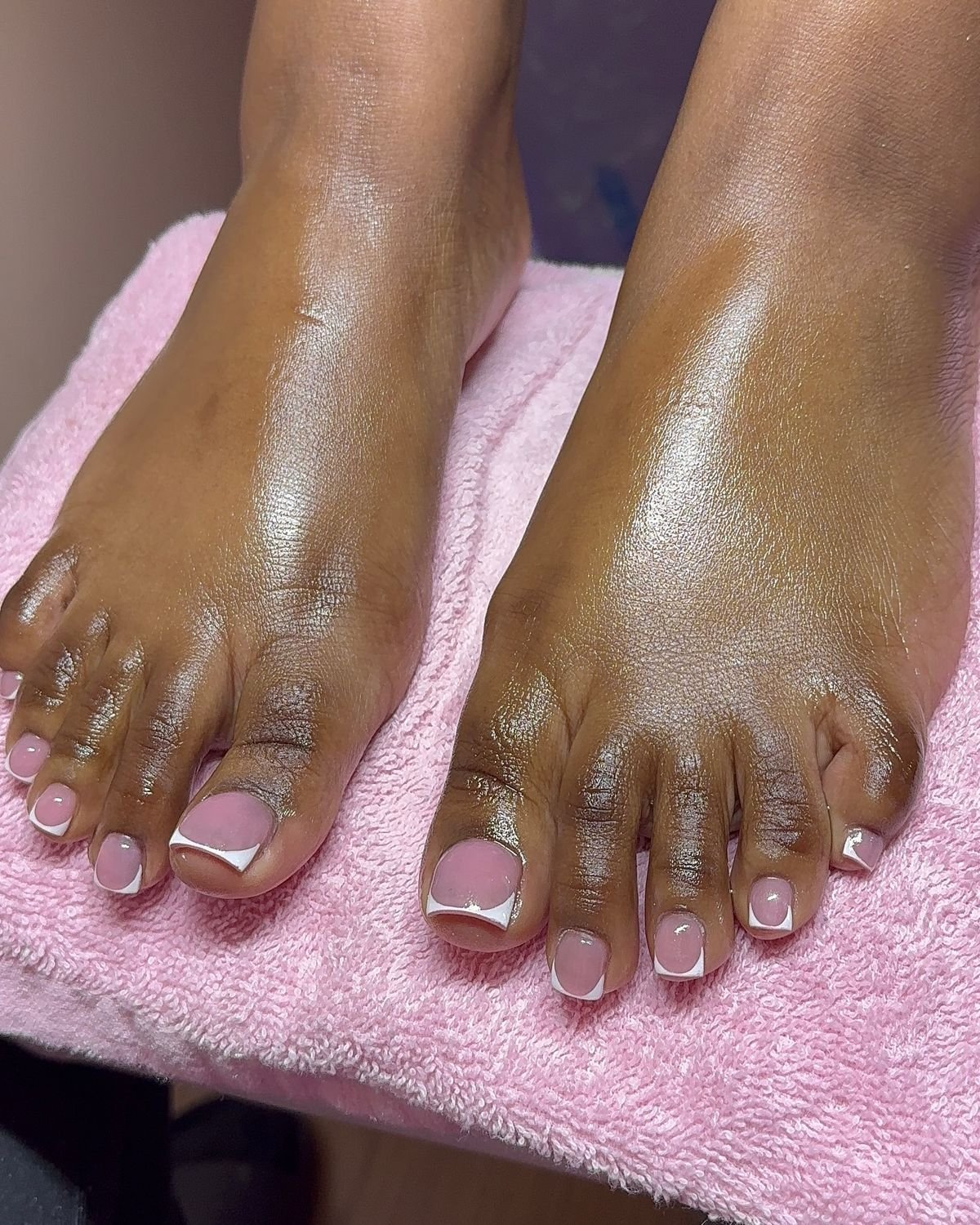
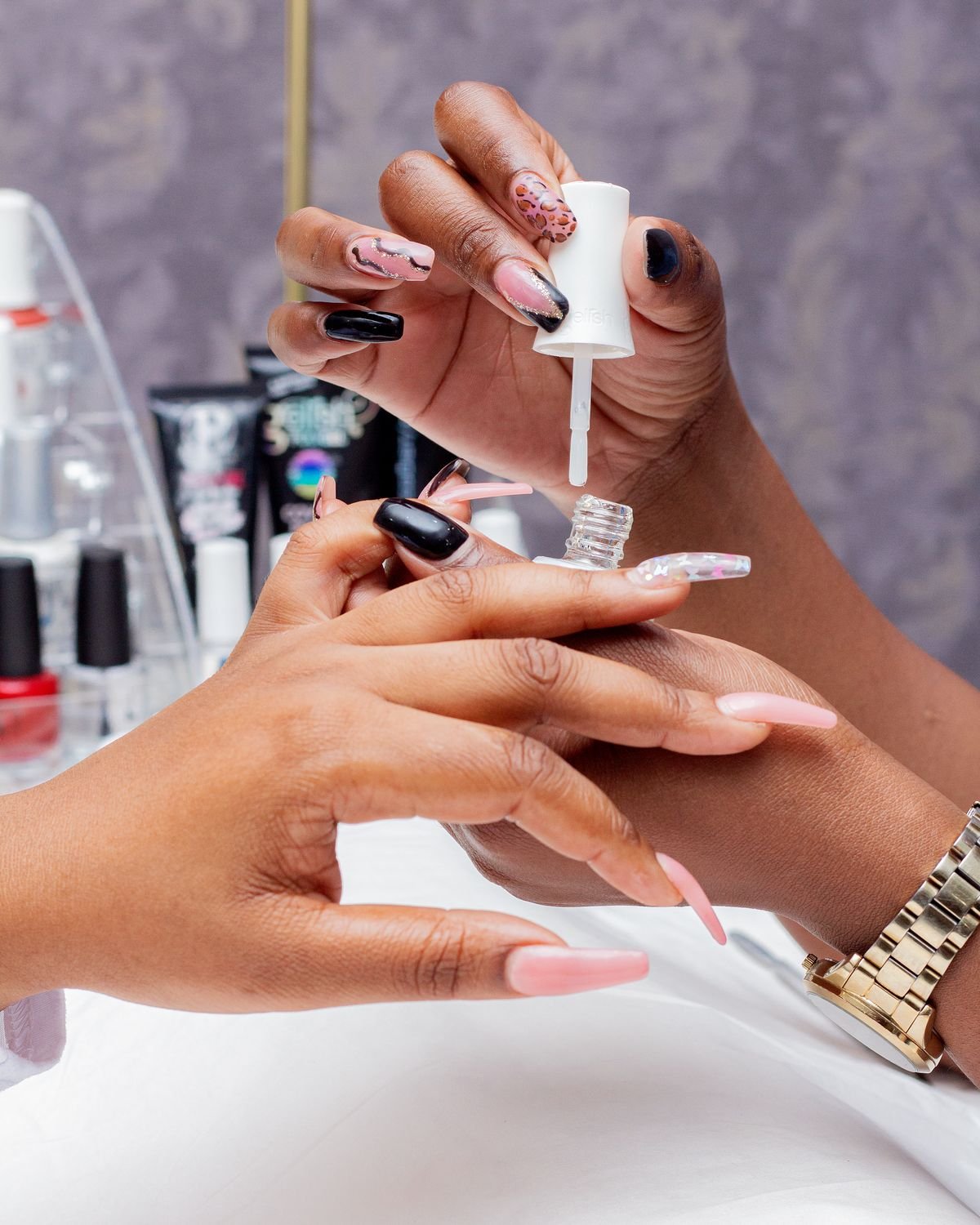
Nail care is no longer reserved for special occasions; it is now a routine grooming requirement for millions of Kenyan women. Nail technology is exceptionally profitable due to its recurring nature—clients typically require fills or new sets every two to three weeks.
- Services Offered: Gel polish application, acrylic extensions, builder gel overlay, press-on customized nails, and specialized nail art.
- Startup Capital: Low to Medium (KES 15,000 – KES 40,000 for basic tools, UV lamps, acrylic powders, and polishes).
- Income Potential: A skilled nail technician in urban areas like Nairobi, Mombasa, or Nakuru can charge between KES 1,500 and KES 4,500 per set, serving 3 to 6 clients daily.
B. Eyelash Extensions and Semi-Permanent Makeup
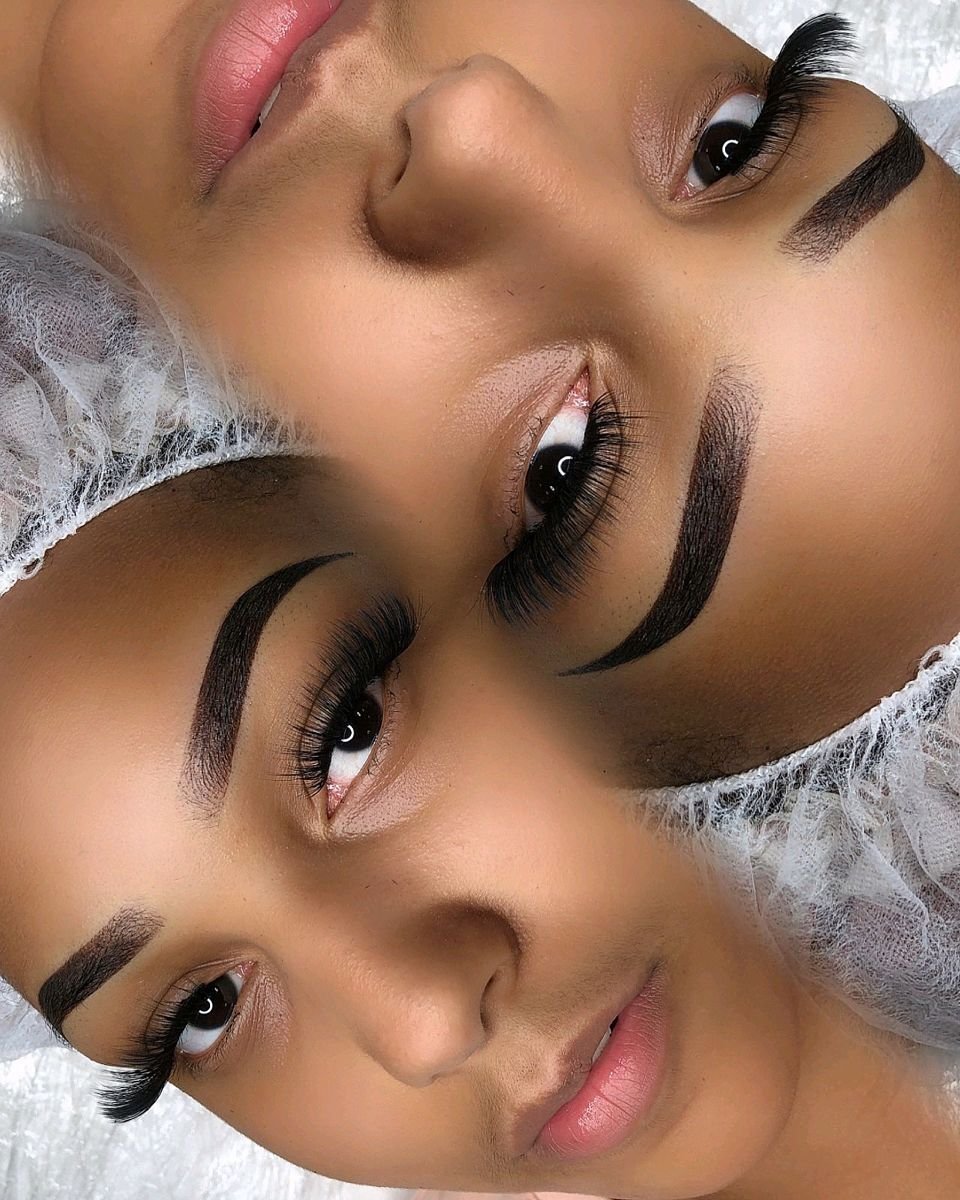
The brow and lash segment has surged in popularity across major towns in Kenya. Modern consumers prefer low-maintenance, long-lasting aesthetic solutions over daily cosmetics application.
- Services Offered: Classic, hybrid, and volume lash extensions, lash lifting, microblading, and microshading (powder brows).
- Startup Capital: Medium (KES 25,000 – KES 60,000 for high-quality synthetic lashes, medical-grade adhesives, pigments, and microblading kits).
- Income Potential: Microblading procedures command between KES 8,000 and KES 20,000 per session, while eyelash extensions range from KES 2,500 to KES 6,000 per client.
C. Professional Makeup Artistry (MUA)
The booming event industry in Kenya—spanning weddings, corporate galas, photoshoots, television productions, and graduation ceremonies—creates continuous demand for professional makeup artists.
- Services Offered: Bridal makeup, event glam, editorial/creative makeup, and personal makeup masterclasses.
- Startup Capital: Medium to High (KES 30,000 – KES 80,000 for a ring light, professional brush sets, and diverse foundation shades suited for African skin tones).
- Income Potential: Bridal makeup packages range between KES 15,000 and KES 50,000 per event, making this a top choice for aspiring entrepreneurs.
D. Sisterlocks, Dreadlocks, and Natural Hair Styling
As more African women embrace natural hair, specialized natural hair care has become a specialized, high-margin niche. In particular, dreadlock installation and maintenance (sisterlocks, microlocks, artificial locs) yield consistently high returns.
- Services Offered: Sisterlocks installation and retightening, dreadlock detoxing, temporary faux locs, protective braiding, and scalp treatments.
- Startup Capital: Low (KES 10,000 – KES 20,000 for specialized latch hooks, oils, organic shampoos, and basic tools).
- Income Potential: Sisterlocks installation can cost anywhere from KES 20,000 to KES 60,000 depending on hair length, while monthly retightening sessions yield KES 3,000 to KES 7,000 per client.
E. Advanced Skincare and Esthetics
Consumers are increasingly shifting from chemical lightening products toward healthy, glowing skin achieved through professional esthetic care. Esthetic beauty specialists focus on non-invasive skin treatments.
- Services Offered: Deep-cleansing facials, microdermabrasion, chemical peels, body scrubbing, and waxing/hair removal.
- Startup Capital: Medium to High (KES 50,000 – KES 120,000 for facial steamers, high-frequency machines, waxes, and dermatological products).
- Income Potential: A single professional facial session ranges from KES 2,500 to KES 8,000.
F. Executive Barbering and Grooming
Barbering in Kenya has evolved from simple haircuts to full executive grooming experiences. Modern barbershops combine hair styling with facial massages, hot towel treatments, and beard care.
- Services Offered: Hair cutting and styling, beard sculpture, hair dye application, facial scrubbing, and kids' hair cutting.
- Startup Capital: Low to Medium (KES 20,000 – KES 50,000 for professional clippers, trimmers, sterilizers, and capes).
- Income Potential: Executive cuts range from KES 500 to KES 2,500 per client, with high client return rates (weekly or bi-weekly).
2. Where to Acquire Beauty Skills and Certification in Kenya
To succeed as a young entrepreneur, practical technical competency must be matched with formal or semi-formal training. Having certified skills enhances credibility, enables higher pricing, and ensures safety standards.
                    ┌─────────────────────────────────────────┐
                    │    Choosing Your Training Pathway       │
                    └────────────────────┬────────────────────┘
                                         │
         ┌───────────────────────────────┼───────────────────────────────┐
         ▼                               ▼                               ▼
┌─────────────────┐             ┌─────────────────┐             ┌─────────────────┐
│ Accredited      │             │ Private Beauty  │             │ Apprenticeship  │
│ TVET & NITA     │             │ Academies       │             │ & Mentorship    │
│ Colleges        │             │                 │             │                 │
├─────────────────┤             ├─────────────────┤             ├─────────────────┤
│ • Formal Diplomas│             │ • Fast-tracked  │             │ • Hands-on work │
│ • Government    │             │ • Trend-focused │             │ • Direct client │
│   Recognition   │             │ • Industry net. │             │   experience    │
└─────────────────┘             └─────────────────┘             └─────────────────┘
- TVET and Government-Accredited Institutions:
Institutions registered under the Technical and Vocational Education and Training Authority (TVETA) offer structured Certificate and Diploma courses. The National Industrial Training Authority (NITA) provides trade tests that give official recognition to self-taught or informally trained artists.
- Reputable Private Academies:
Institutions such as Vera Beauty and Fashion College, Ashleys Hair and Beauty Academy, and Felistas Beauty College offer intensive, industry-aligned short courses ranging from 2 weeks to 6 months.
- Apprenticeships and Mentorship:
School leavers can attach themselves to established salons or independent beauty professionals. Working directly under a master technician provides practical client handling skills, salon management experience, and immediate exposure to local market trends.
3. Step-by-Step Guide: Turning Your Skill into a Profitable Business
Acquiring a technical beauty skill is only half the battle. To transform that skill into a profitable venture, people interested in self-employment must apply clear business management principles.
+-------------------------------------------------------------------+
|               THE BEAUTY BUSINESS LAUNCH FRAMEWORK                |
+-------------------------------------------------------------------+
|  1. Select Business Model (Mobile / Booth Rental / Studio)        |
|  2. Assemble Quality Kit & Equipment                              |
|  3. Register & Brand Your Business (Business Name, Legal Permits) |
|  4. Deploy Local Digital Marketing Strategy (TikTok, Instagram)   |
|  5. Implement M-PESA & Cash Flow Management                       |
+-------------------------------------------------------------------+
Step 1: Choose Your Operating Business Model
Select a business model that aligns with your available startup capital:
- Mobile / On-Demand Service: Minimal overhead. You travel to the client's residence or office with portable equipment. Ideal for makeup artists, lash technicians, and mobile barbers.
- Salon Booth Rental (Koti): You rent a specific station or chair inside an existing salon for a fixed daily, weekly, or monthly fee. This eliminates full premises overhead while giving you access to foot traffic.
- Home-Based Studio: Converting a clean, dedicated room in your apartment into a private studio for clients who value privacy.
- Full Commercial Salon/Spa: Requires higher capital for leasing commercial premises, fit-outs, licenses, and staff hiring.
Step 2: Acquire Quality Starter Kits
Invest in high-grade equipment and consumables. Using poor-quality cosmetics, weak UV lamps, or low-grade lash glues damages your reputation and risks client health. Purchase supplies from certified wholesale distributors in commercial hubs like Dubois Road or River Road in Nairobi, ensuring authenticity and safety compliance.
Step 3: Register and Comply with Local Regulations
To operate seamlessly without conflict with county authorities (Kanjo), comply with basic legal requirements:
- Register a business name via the eCitizen portal.
- Obtain a County Government Single Business Permit if operating a physical location.
- Secure a Public Health Certificate and Fire Safety Inspection Certificate for fixed studios.
Step 4: Leverage Digital Marketing and Social Media
In the modern Kenyan beauty market, platforms like TikTok, Instagram, and WhatsApp Business serve as your primary storefront.
- High-Quality Visual Portfolio: Post clear, well-lit "Before and After" photos and videos showcasing your craft.
- Short-Form Video Content: Publish process videos, beauty tips, and client transformations on TikTok and Instagram Reels to reach organic local audiences.
- Google Business Profile: Register your salon or mobile service on Google Maps so local clients searching for "nail technician near me" or "barbershop in Westlands" can easily locate and contact you.
- Seamless Payments: Set up an M-PESA Till Number or Paybill account to streamline client payments and maintain clear financial records.
4. Key Challenges and How to Overcome Them
Starting a business as a school leaver or young entrepreneur comes with distinct challenges. Anticipating these hurdles will keep your enterprise profitable.
| Challenge | Impact on Business | Strategic Solution |
| High Local Competition | Market saturation leading to price-undercutting wars. | Compete on service quality, hygiene, client experience, and punctuality rather than being the cheapest. |
| Client Retention Fluctuation | Inconsistent monthly cash flows. | Implement client loyalty programs (e.g., 20% off every 5th visit) and send automated appointment reminders via WhatsApp. |
| Mixing Personal & Business Funds | Financial misstatements and early business failure. | Open a separate business bank or M-PESA merchant account. Pay yourself a fixed salary and reinvest profits into equipment
Related articles
 beauty el Nails, Acrylic Nails and Nail Art: Which Skills Should You Learn?
 beauty Manicure and Pedicure Course in Kenya: Everything You Need to Know
 beauty : How to Become a Professional Nail Technician in Kenya
 beauty Beauty therapy course Kenya, beauty training Nairobi, beauty and cosmetology course
You might also like
 security What is Cybersecurity? A Complete Guide for Beginners
Nov 16, 2026
 software development Software Engineering Course in Thika: Build Real Skills, Real Projects, Real Career Opportunities
Nov 13, 2026
 caregiver How Caregiving Can Open Doors to International Employment Opportunitie
Nov 12, 2026
 caregiver Is Caregiving a Good Career? Salary, Opportunities and Career Growth in Kenya
Nov 12, 2026
 caregiver 5 Reasons Why Young People Should Consider a Career in Caregiving
Nov 12, 2026
 caregiver How to Become a Professional Caregiver in Kenya: A Complete Beginner’s Guide
Nov 12, 2026