
Discover how Python programming and automation strengthen cybersecurity through threat detection, security testing, log analysis and faster incident response.

Introduction: The Role of Python in Modern Cybersecurity
Cybersecurity threats are becoming increasingly sophisticated, requiring organisations to adopt smarter, faster and more reliable approaches to protecting their digital infrastructure. From businesses and financial institutions to government agencies and educational institutions, the need for skilled cybersecurity professionals continues to grow.
One of the most valuable technical skills in modern cybersecurity is Python programming and automation. Python is a versatile programming language that enables security professionals to automate repetitive tasks, analyse security data, detect suspicious activities and develop tools that improve the efficiency of security operations.
For aspiring cybersecurity professionals, learning Python provides a practical foundation for understanding how security systems work, identifying vulnerabilities and responding to potential cyber threats.
What Is Python Programming and Automation in Cybersecurity?
Python programming involves writing instructions that enable computers to perform specific tasks. In cybersecurity, these instructions can be used to monitor systems, process security logs, analyse network traffic and support vulnerability assessments.
Automation involves using scripts and software to perform repetitive or time-consuming activities with minimal manual intervention.
When combined, Python programming and automation help cybersecurity teams reduce operational workloads, improve consistency and respond to security incidents more efficiently.
For example, instead of manually reviewing thousands of system log entries, a cybersecurity professional can develop a Python script to identify repeated failed login attempts and flag potentially suspicious activity for further investigation.
5 Important Applications of Python in Cybersecurity
1. Automated Threat Detection
Cybercriminals often attempt to gain unauthorised access through password attacks, suspicious network activity and exploitation of software vulnerabilities. Detecting these threats manually can be time-consuming, particularly in environments that generate large volumes of security data.
Python enables security professionals to develop scripts that analyse logs, identify unusual patterns and flag indicators of potential attacks.
For example, a Python program can count failed login attempts and alert an administrator when a predefined threshold is exceeded.
Why it matters: Automated detection helps security teams identify potential threats earlier and prioritise investigations.
2. Security Log Analysis
System logs record important events, including login attempts, application errors, access requests and changes to system configurations. These records are essential for investigating security incidents.
Python libraries make it possible to read, filter, organise and analyse large log files efficiently. Professionals can write scripts that search for suspicious IP addresses, unusual access patterns or repeated authentication failures.
Why it matters: Effective log analysis improves visibility into system activity and supports faster incident investigation.
3. Network Security Monitoring
Monitoring network traffic is an essential component of cybersecurity. Unusual connections, unexpected communication patterns and suspicious requests may indicate a security problem.
Python can support network monitoring and traffic analysis through libraries and tools such as Scapy and integrations with established security platforms.
When used in an authorised environment, these capabilities help professionals understand network behaviour, investigate suspicious traffic and develop defensive monitoring solutions.
Why it matters: Network monitoring helps organisations identify potential security weaknesses and investigate abnormal communication.
4. Vulnerability Assessment and Security Testing
Cybersecurity professionals must regularly assess systems, applications and networks for weaknesses that attackers could exploit.
Python can automate supporting tasks such as checking software configurations, validating security policies, processing vulnerability scan reports and verifying whether approved security controls are working as intended.
It can also help developers write tests that identify insecure application behaviour before software is deployed.
Why it matters: Automation makes security assessments more consistent and helps organisations address weaknesses before they become serious incidents.
Security testing should always be performed on systems for which the tester has explicit authorisation.
5. Incident Response and Security Automation
When a security incident occurs, time is critical. Security teams must investigate alerts, gather evidence, assess the potential impact and determine appropriate containment measures.
Python scripts can automate parts of this workflow, including collecting relevant logs, enriching alerts with additional information and generating incident reports.
More advanced security automation can integrate Python with security information and event management (SIEM) platforms and security orchestration, automation and response (SOAR) systems.
Why it matters: Automated workflows reduce repetitive work, improve response consistency and allow analysts to focus on complex investigations.
Essential Python Skills for Cybersecurity Professionals
To use Python effectively in cybersecurity, learners should develop a combination of programming fundamentals and practical security knowledge.
Key skills include:
Variables and data types: Store information such as IP addresses, usernames, timestamps and event counts.
Conditional statements: Apply rules to identify suspicious activity.
Loops: Process multiple log entries or security events automatically.
Functions: Organise reusable security tasks into manageable blocks of code.
Dictionaries and lists: Store, group and analyse security-related data.
File handling: Read and process logs, configuration files and reports.
Exception handling: Manage unexpected errors without unnecessarily interrupting a script.
Modules and libraries: Extend Python programs with specialised functionality.
APIs and JSON: Exchange data with security platforms and other applications.
Regular expressions: Search for patterns in logs, such as IP addresses and authentication events.
A strong understanding of these concepts helps learners progress from basic scripts to more advanced security automation projects.
Practical Project: Detecting Repeated Failed Login Attempts
One effective way to learn Python for cybersecurity is to build a simple log-analysis tool.
Consider a system that records login attempts. A Python program can count failed attempts for each username and identify accounts that exceed a defined threshold.
Example:
login_attempts = [
    {"username": "admin", "status": "failed"},
    {"username": "admin", "status": "failed"},
    {"username": "john", "status": "success"},
    {"username": "admin", "status": "failed"},
]

failed_logins = {}

for attempt in login_attempts:
    if attempt["status"] == "failed":
        username = attempt["username"]

        if username in failed_logins:
            failed_logins[username] += 1
        else:
            failed_logins[username] = 1

for username, count in failed_logins.items():
    if count >= 3:
        print(username, "requires security review")
This beginner-friendly project demonstrates how Python dictionaries, loops and conditional statements can support security monitoring.
In a production environment, the program would need additional safeguards, real log-file processing, appropriate thresholds and integration with a reliable alerting system. Three failed attempts alone do not prove that an account has been compromised.
Python Automation and Career Opportunities in Cybersecurity
Python is a valuable skill across several cybersecurity career paths. Although programming alone does not guarantee employment, combining it with networking, operating systems, security fundamentals and practical projects can strengthen a learner's technical capabilities.
Relevant career pathways include:
Security Analyst: Investigates alerts, analyses logs and identifies suspicious activity.
Security Automation Engineer: Develops scripts and workflows that improve security operations.
Penetration Tester: Performs authorised security assessments and uses programming to support testing.
Incident Response Analyst: Investigates security incidents and automates evidence collection.
Security Engineer: Builds, maintains and improves defensive security systems.
Threat Hunter: Analyses security data to identify potentially hidden threats.
Learners should also develop knowledge of Linux, TCP/IP networking, web application security, access control and incident response to apply Python effectively in professional environments.
Why Learn Python Programming and Automation at Dazu Training Institute?
At Dazu Training Institute, developing practical technology skills can help learners prepare for the demands of a changing digital economy.
Python programming is an important foundation for learners interested in cybersecurity, software engineering, artificial intelligence and IT automation.
A practical learning pathway should combine programming fundamentals with hands-on exercises, including:
Writing Python scripts to process files and analyse data.
Using loops, functions and dictionaries to automate repetitive tasks.
Analysing sample security logs to identify suspicious patterns.
Learning networking fundamentals and understanding common security threats.
Building small cybersecurity projects in controlled, authorised environments.
Progressing towards more advanced security tools and automation workflows.
The goal is to move beyond simply understanding programming syntax and develop the ability to apply Python to real-world technical challenges.
If you are interested in building a career in cybersecurity, learning Python is a practical step towards understanding how modern security systems detect, investigate and respond to threats.
Start building your technology skills with Dazu Training Institute.
Visit https://dazu.ac.ke/ to explore training opportunities in cybersecurity, Python programming and other technology disciplines. Training is available in Nairobi, Thika and online.
Frequently Asked Questions (FAQs)
1. Why is Python important in cybersecurity?
Python helps cybersecurity professionals automate repetitive tasks, analyse security logs, monitor network activity, support vulnerability assessments and improve incident response workflows.
2. Do I need programming experience to learn Python for cybersecurity?
No. Beginners can start with variables, data types, input and output, conditional statements, loops, functions and dictionaries before progressing to security-focused projects.
3. Can Python be used to detect cyberattacks?
Yes. Python scripts can identify suspicious patterns in logs and other security data. However, reliable detection requires appropriate rules, accurate data and validation to minimise false positives and missed threats.
4. Which Python libraries are useful in cybersecurity?
Useful options include re for pattern matching, pathlib for file handling, json for structured data, requests for authorised HTTP interactions, and Scapy for network packet analysis. The appropriate choice depends on the task and the security environment.
5. Is Python enough to become a cybersecurity professional?
Python is valuable, but it is not sufficient on its own. Cybersecurity professionals also need networking, operating systems, security principles, practical lab experience and knowledge of the tools used in their chosen specialisation.
6. What cybersecurity project can a beginner build using Python?
A beginner can build a failed-login analyser, a security log parser, a password-strength checker or a tool that reviews approved system configuration files. These projects help develop practical programming and security analysis skills.
7. Where can I learn Python programming and cybersecurity in Kenya?
Dazu Training Institute offers technology training opportunities in Nairobi, Thika and online. Visit https://dazu.ac.ke/ to explore available programmes and training options.
Conclusion
Python programming and automation are valuable capabilities in modern cybersecurity because they help professionals process security data, identify suspicious activity and improve the efficiency of defensive operations.
By mastering Python fundamentals and applying them to practical cybersecurity projects, learners can build a strong technical foundation for further study and professional development.
The future of cybersecurity requires more than understanding threats. It requires the ability to build tools, analyse evidence and automate effective responses. Start learning Python and take the next step towards a career in technology.
Related articles
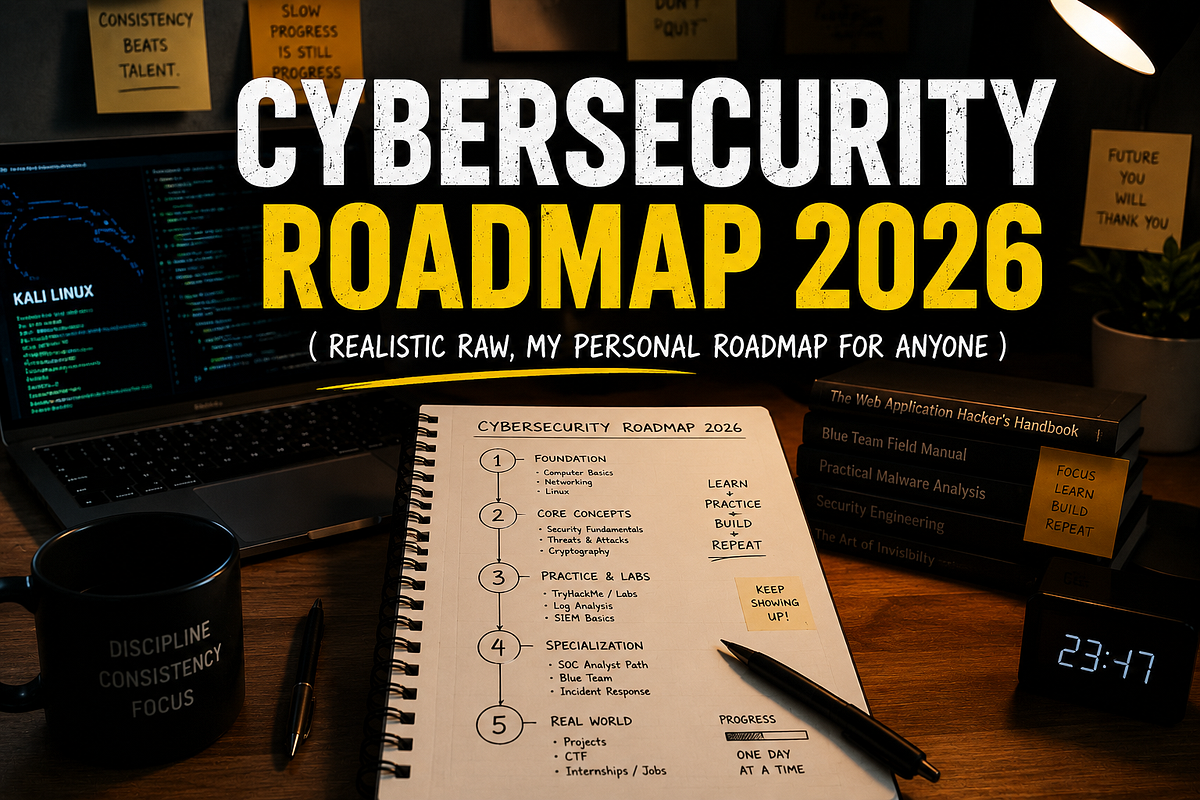 security What is Cybersecurity? A Complete Guide for Beginners
 security . Ethical Hacking vs Cybersecurity: Which Career Should You Choose in Kenya?
 security How to Start a Career in Cybersecurity in Kenya: A Beginner's Guide
 security Why Learn Cyber Security in 2027: A Complete Guide
 security Python Programming and Automation in Nairobi: Learn Coding for Cybersecurity and Technology
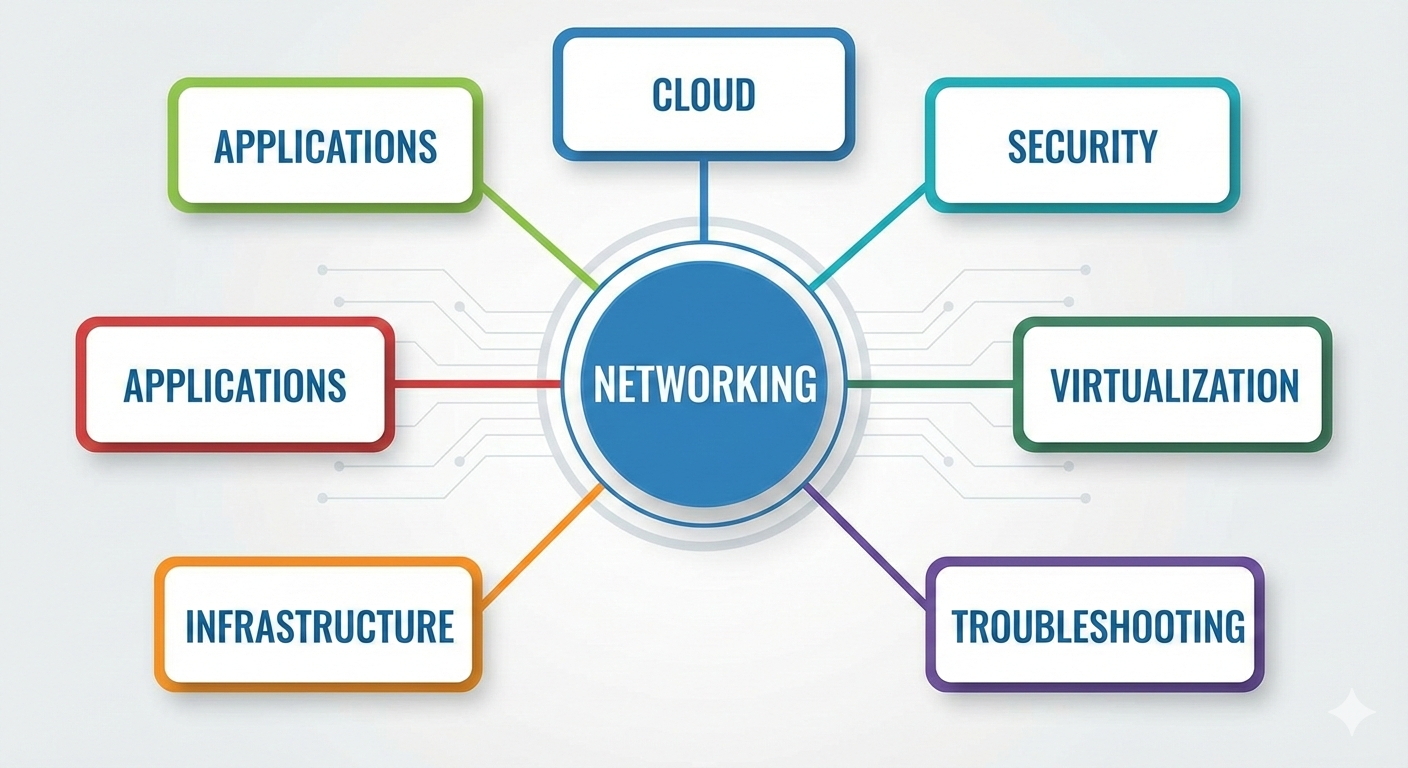 security Computer Systems and Networking Course in Nairobi: Learn the Technology Behind the Internet
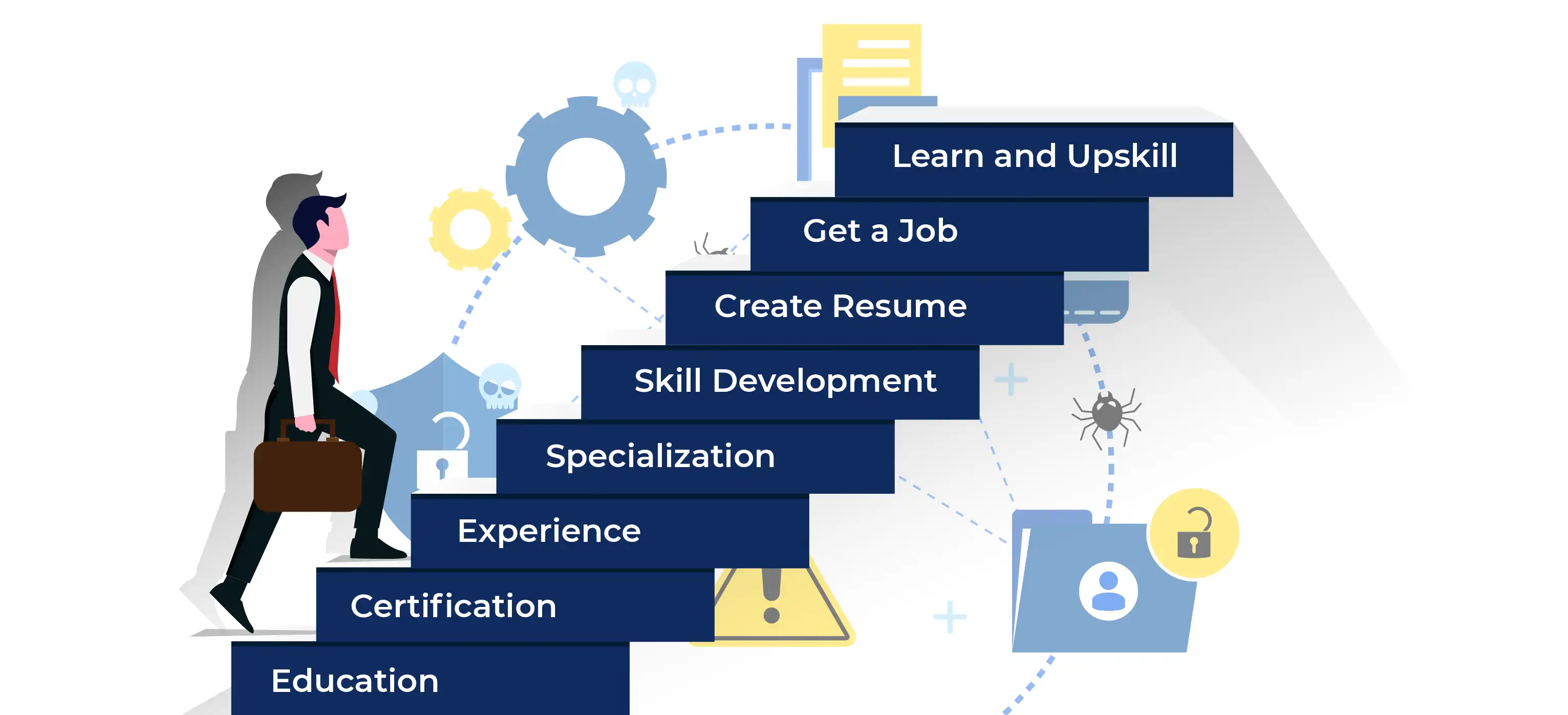 security Cybersecurity Training in Nairobi: Start Your Journey Towards a Career in Cybersecurity
 security The Future of Cybersecurity in Kenya: AI, Cloud Security and Threat Detection
You might also like
 software development Software Engineering Course in Thika: Build Real Skills, Real Projects, Real Career Opportunities
Nov 13, 2026
 beauty el Nails, Acrylic Nails and Nail Art: Which Skills Should You Learn?
Nov 13, 2026
 beauty Beauty Skills You Can Learn and Turn Into a Profitable Business in Kenya
Nov 13, 2026
 beauty Manicure and Pedicure Course in Kenya: Everything You Need to Know
Nov 13, 2026
 beauty : How to Become a Professional Nail Technician in Kenya
Nov 13, 2026
 caregiver How Caregiving Can Open Doors to International Employment Opportunitie
Nov 12, 2026