
Learn cybersecurity from scratch in Nairobi. Discover cyberthreats, essential security concepts and beginner projects with Dazu School of Tech.
https://www.tiktok.com/@dazuhub/video/7693801348432727303?is_from_webapp=1&sender_device=pc
Cybersecurity Training in Nairobi: A Beginner’s Guide to Understanding Cybersecurity
Have you ever received a suspicious M-Pesa message, clicked an unexpected link or wondered how hackers gain access to people's accounts?
These situations introduce you to the world of cybersecurity.
Cybersecurity is the practice of protecting computers, networks, applications and information against unauthorised access, theft, damage and disruption. As more Kenyan businesses and individuals use online banking, mobile payments, e-commerce and cloud applications, understanding digital security has become increasingly important.
For students, recent graduates and young people interested in technology, cybersecurity can provide a pathway into a technical field that combines investigation, problem-solving and continuous learning.
At Dazu School of Tech, learners can explore technology training and develop a foundation for progressing into cybersecurity and related technical disciplines.
This guide explains cybersecurity in simple terms, provides practical examples and shows you how to begin learning from zero.
1. What Is Cybersecurity?
Imagine a business in Nairobi that sells electronics online. It stores customer details, processes orders and accepts digital payments.
The business needs to protect its website, prevent unauthorised access to customer accounts, secure its database and maintain backups.
Cybersecurity involves the technologies, processes and practices used to reduce these risks.
The main areas of cybersecurity include:
Network security
Ethical hacking and penetration testing
Security monitoring and incident response
Digital forensics
Cloud security
Website and application security
Identity and access management
You do not need to master every area immediately. Begin by understanding the fundamentals.
2. Understand the Three Main Goals of Cybersecurity
Cybersecurity professionals often use the CIA triad to explain three essential security objectives.
Confidentiality
Confidentiality means that information is accessible only to authorised people.
For example, students should not be able to access private academic or registration records belonging to other students.
Integrity
Integrity means that information remains accurate and is protected against unauthorised changes.
Imagine a business where someone changes the price of a product or alters a transaction record without permission. Appropriate security controls help prevent and detect such changes.
Availability
Availability means that systems and information remain accessible when authorised users need them.
A business website that becomes unavailable during a busy sales period may lose customers and revenue.
Together, confidentiality, integrity and availability provide a useful foundation for understanding security decisions.
3. Learn About Common Cyber Threats
Phishing
Phishing involves fraudulent messages designed to trick people into revealing information, transferring money or opening malicious links.
For example, someone might receive a message claiming that their mobile money account will be suspended unless they immediately provide confidential information.
The safest response is to avoid the link and verify the message through the provider's official channels.
Malware
Malware is software designed to perform harmful or unauthorised actions. It can steal information, disrupt systems or provide attackers with access.
Ransomware
Ransomware can encrypt files and demand payment for their restoration. Backups, security updates, access controls and incident response planning can help reduce the impact.
Password attacks
Weak or reused passwords can expose accounts. Strong, unique passwords and multi-factor authentication reduce this risk.
Social engineering
Social engineering exploits human trust, urgency or confusion to persuade people to reveal information or perform unsafe actions.
Cybersecurity therefore involves both technical controls and responsible user behaviour.
4. A Practical Example: Protecting a Small Kenyan Business
Imagine a small business in Thika that accepts orders through WhatsApp and maintains customer records on a laptop.
The owner notices suspicious account activity and discovers that several staff members share one password.
A beginner studying cybersecurity could recommend the following improvements:
Give each staff member an individual account where possible.
Enable multi-factor authentication on supported services.
Use strong, unique passwords.
Update computers and applications.
Back up important business information.
Restrict access to sensitive records.
Train staff to identify phishing messages.
This example shows that cybersecurity is not only about hacking. It is also about identifying risks and choosing practical ways to reduce them.
5. Your First Cybersecurity Project
At Dazu School of Tech, a beginner could use this example as a learning exercise.
Create a security checklist for a fictional Nairobi business.
Assess whether the business has:
Strong account security
Multi-factor authentication
Updated operating systems
Antivirus and firewall protection
Restricted access to important files
Reliable backups
A process for reporting suspicious activity
For each weakness, describe the risk and recommend an improvement.
The finished checklist can become your first cybersecurity learning project.
6. What Should You Learn First?
If you have no previous cybersecurity experience, follow this order:
Step 1: Computer fundamentals. Understand computer hardware, operating systems, files, permissions and troubleshooting.
Step 2: Networking. Learn IP addresses, DNS, routers, switches, ports and how computers communicate.
Step 3: Operating systems. Develop basic Linux and Windows skills.
Step 4: Security fundamentals. Understand threats, vulnerabilities, authentication, access control and risk.
Step 5: Practical labs. Apply what you learn in controlled environments using your own devices or authorised training systems.
Step 6: Programming basics. Begin learning Python to support automation and security analysis as you progress.
Following this sequence makes advanced topics easier to understand.
7. Why Consider Cybersecurity Training at Dazu School of Tech?
Learning independently can introduce you to cybersecurity, but a structured learning pathway can help you organise your progress and practise systematically.
When considering cybersecurity training in Nairobi, look for practical exercises, instructor guidance, relevant tools, projects and opportunities to receive feedback.
Visit Dazu School of Tech to explore available training programmes and confirm the current cybersecurity curriculum, course fees, duration and delivery options.
If you are a student, graduate or young person interested in technology, start by building a strong foundation rather than trying to learn every advanced tool at once.
Your cybersecurity journey starts with understanding the problem, learning the fundamentals and practising how to protect digital information.
Frequently Asked Questions
Can I learn cybersecurity without prior IT experience?
Yes. Start with computer fundamentals and networking before moving into security tools and practical exercises.
Is cybersecurity the same as ethical hacking?
No. Ethical hacking is one specialisation within cybersecurity. Other areas include defensive security, monitoring, incident response, cloud security and digital forensics.
Do I need to know programming to begin cybersecurity?
No. You can start with basic computer and networking concepts. Python becomes increasingly useful as you progress.
How long does it take to understand cybersecurity?
You can learn introductory concepts in a relatively short period with consistent study. Developing advanced technical skills requires continued practice and experience.
Where can I explore cybersecurity training in Nairobi?
Visit Dazu School of Tech to explore available technology training options and ask about current cybersecurity programmes.
Related articles
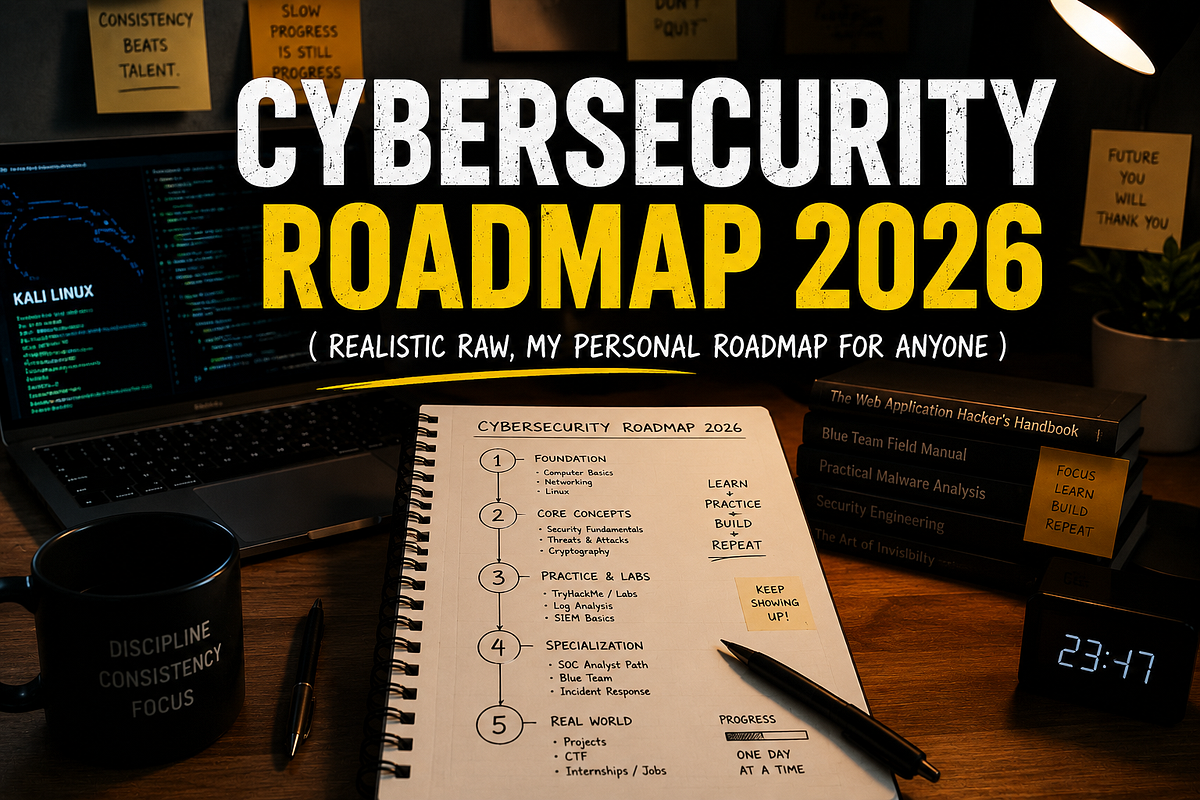 security What is Cybersecurity? A Complete Guide for Beginners
 security . Ethical Hacking vs Cybersecurity: Which Career Should You Choose in Kenya?
 security How to Start a Career in Cybersecurity in Kenya: A Beginner's Guide
 security Why Learn Cyber Security in 2027: A Complete Guide
 security Python Programming and Automation in Nairobi: Learn Coding for Cybersecurity and Technology
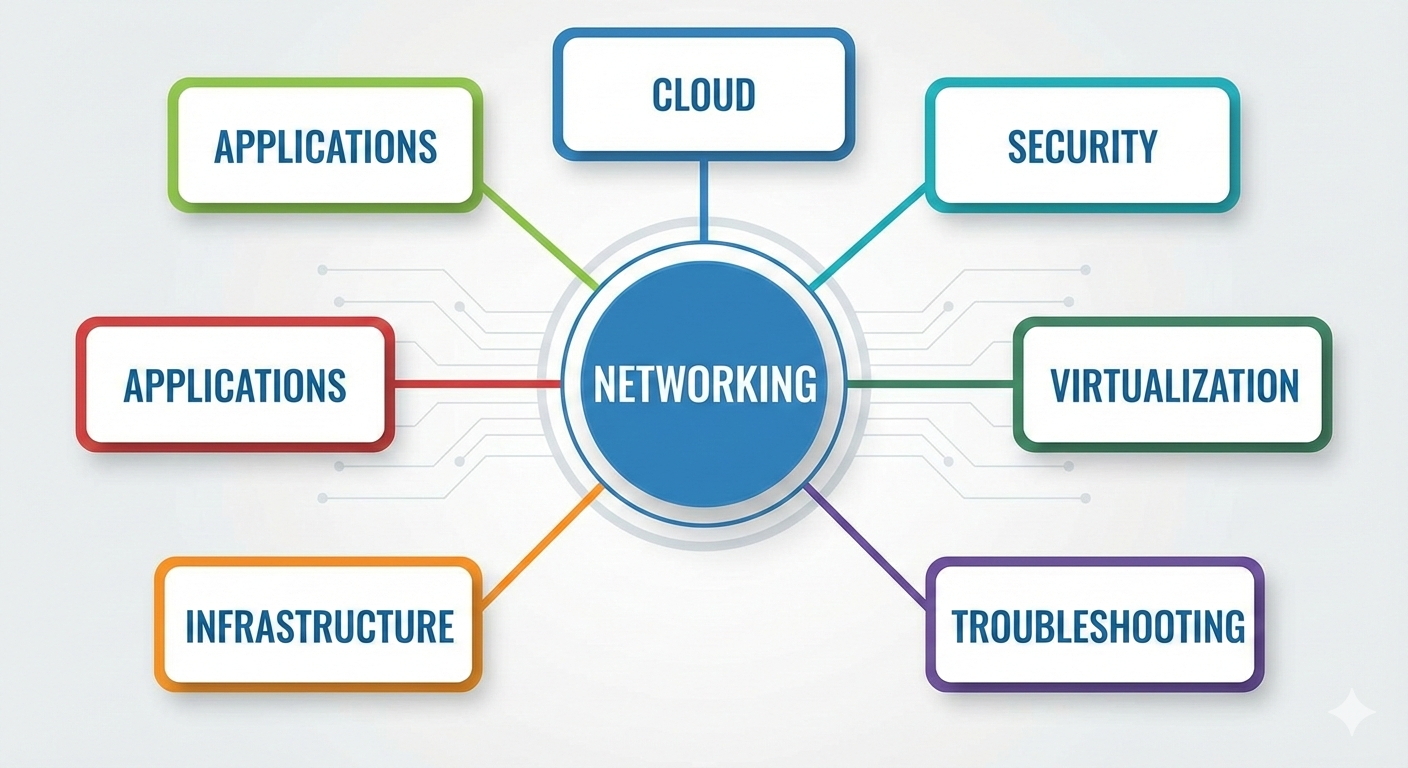 security Computer Systems and Networking Course in Nairobi: Learn the Technology Behind the Internet
 security Cybersecurity Training in Nairobi: Start Your Journey Towards a Career in Cybersecurity
 security The Future of Cybersecurity in Kenya: AI, Cloud Security and Threat Detection
You might also like
 software development Software Engineering Course in Thika: Build Real Skills, Real Projects, Real Career Opportunities
Nov 13, 2026
 beauty el Nails, Acrylic Nails and Nail Art: Which Skills Should You Learn?
Nov 13, 2026
 beauty Beauty Skills You Can Learn and Turn Into a Profitable Business in Kenya
Nov 13, 2026
 beauty Manicure and Pedicure Course in Kenya: Everything You Need to Know
Nov 13, 2026
 beauty : How to Become a Professional Nail Technician in Kenya
Nov 13, 2026
 caregiver How Caregiving Can Open Doors to International Employment Opportunitie
Nov 12, 2026