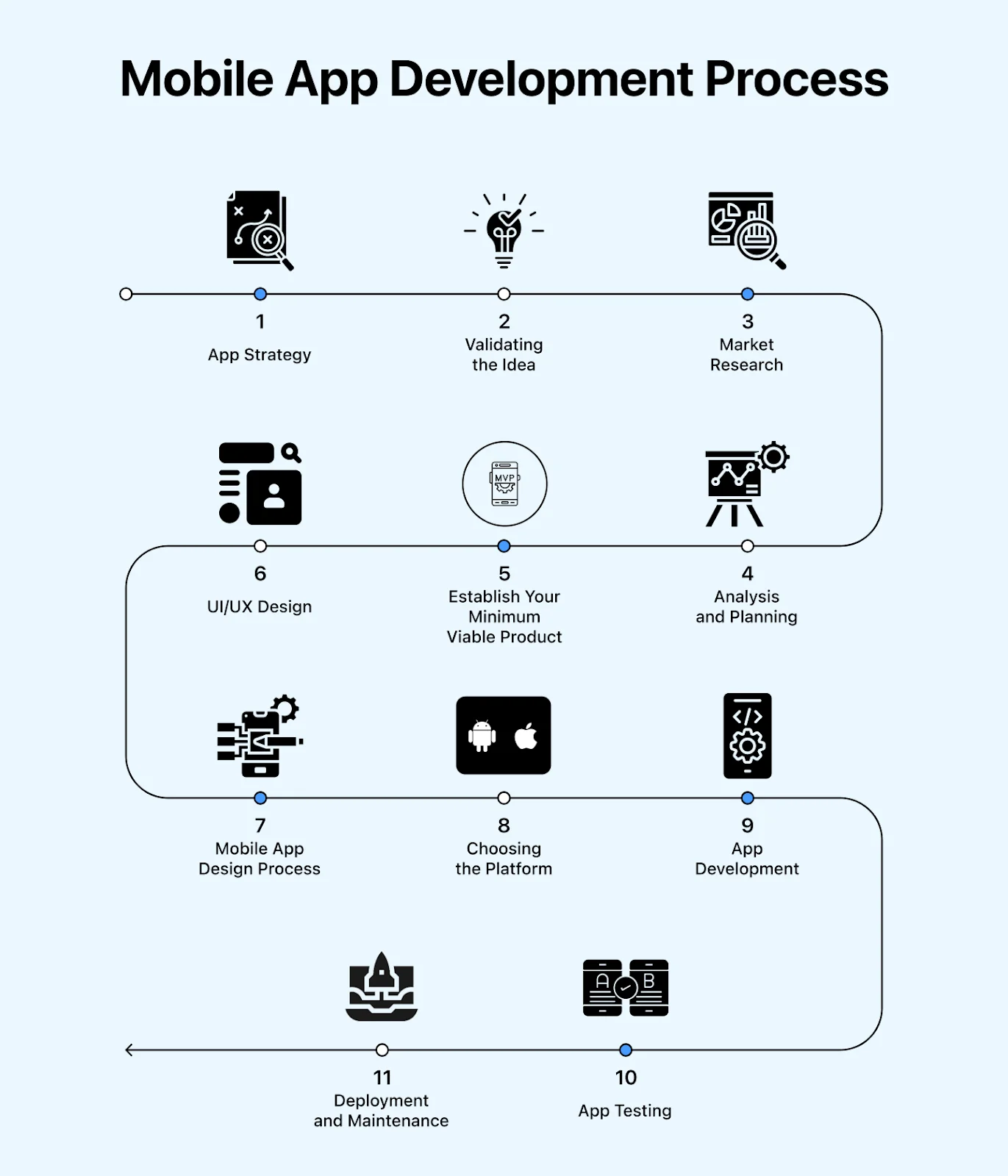
Explore mobile app development, software testing, deployment and final-year projects through a software engineering diploma pathway in Thika.
https://www.tiktok.com/@dazuhub/video/7669033548812209428?is_from_webapp=1&sender_device=pc
Software Engineering Course in Thika: Turn Your Technical Skills into Complete Software Projects
Imagine creating a mobile application that helps students organise revision notes, enables customers to book salon appointments or allows a local business to manage orders from a smartphone.
These ideas can become practical software projects when you understand programming, databases, user interface design and software testing.
A Software Engineering Diploma in Thika can be a pathway for learners who want to progress beyond introductory coding and explore the development of complete software applications.
At Dazu Training Institute, prospective students can enquire about the available diploma programme, its curriculum and the practical projects included in the course.
1. Mobile Application Development
Mobile applications allow users to access services directly from smartphones and tablets.
Developers must consider usability, screen sizes, application performance, data storage and how the application communicates with a server.
Depending on the curriculum, mobile development may involve native technologies or cross-platform frameworks.
Practical example: A student revision application
You could develop an application that allows students to:
Organise revision notes by subject.
Create study schedules.
Record completed topics.
Set reminders.
Track their learning progress.
A more advanced version could use user accounts and a backend database to synchronise information across devices.
This project would introduce application design, data management and user experience considerations.
2. Software Testing and Debugging
Professional developers cannot assume that software works correctly simply because it runs.
Testing involves checking whether an application behaves as expected under different conditions.
Important testing areas include:
Unit testing: Checking individual functions or components.
Integration testing: Checking whether different parts of an application work together.
System testing: Testing the application as a complete system.
User acceptance testing: Checking whether the application meets the intended users' requirements.
Practical example: An online payment form
A developer should test valid payments, invalid inputs, network failures and repeated submissions.
The application should handle errors safely and avoid treating a failed transaction as a successful payment.
Learning to test software helps developers produce more reliable applications.
3. Software Maintenance and Version Control
Software development does not end when an application is launched.
Users may report problems, businesses may request new features and operating environments may change.
Developers need to understand how to maintain code, fix bugs and introduce improvements without breaking existing functionality.
Git and GitHub can support this process by tracking changes and helping developers collaborate.
For example, if you add a new reporting feature to an inventory application, version control allows you to track the changes and investigate problems introduced by the update.
4. Deployment and Application Performance
Once an application has been developed and tested, it may need to be deployed to a server or published through an appropriate application distribution platform.
Developers must consider configuration, security, performance and ongoing maintenance.
For a web application, this could include:
Configuring the production environment.
Connecting the application to its database.
Setting up a domain and HTTPS.
Checking application logs.
Testing the live application.
Preparing backups and recovery procedures.
These practices help ensure that software remains usable after development is complete.
5. Final-Year Software Engineering Projects
A major project is an opportunity to combine different technical skills to solve a defined problem.
Rather than developing disconnected exercises, learners can create a system with a clear purpose, defined users and measurable functionality.
Here are three examples of projects a software engineering student could explore.
Project A: School management system
Features could include student registration, attendance tracking, course records and examination reporting.
This project introduces database design, user permissions, reporting and application testing.
Project B: E-commerce platform
Features could include product listings, search, a shopping cart, order management and payment integration.
This project introduces frontend development, backend logic, databases and external APIs.
Project C: Business inventory and sales system
Features could include product registration, stock tracking, sales recording and business reports.
This project demonstrates how software can solve practical challenges faced by small businesses in Kenya.
The scope of each project should match the learner's experience and the programme's requirements.
6. How to Present Your Project Professionally
Completing a project is important, but you should also be able to explain how it works.
A professional project presentation should describe:
The problem the application solves.
The intended users.
The technologies used.
The database structure and application architecture.
The testing process.
The challenges encountered and solutions implemented.
Possible improvements for future versions.
You can document the source code on GitHub and create a demonstration of the working application where appropriate.
This helps you practise communicating technical decisions to trainers, employers and potential clients.
7. What Career Paths Could Follow?
Depending on your skills and experience, further study and practical portfolio, you may explore roles such as:
Junior software developer.
Web application developer.
Mobile application developer.
Software testing or quality assurance trainee.
Backend developer.
Application support developer.
Freelance software developer.
Career progression is not automatic. Employers may assess your technical competence, problem-solving ability, portfolio, communication skills and relevant experience.
Why Consider Dazu Training Institute?
Dazu Training Institute provides technology training for learners interested in developing software and digital skills.
If you want to pursue diploma-level software engineering, contact the institute to confirm the official curriculum, programme duration, entry requirements, fees and practical assessment arrangements.
Take the next step towards becoming a software developer.
Institution: Dazu Training Institute.
Location: Witeithie House, 5th Floor, Room 529, Thika.
Phone/WhatsApp: 0722 922 454.
Email: admin@dazuhub.com.
Website: https://www.dazu.ac.ke/
Frequently Asked Questions
1. What is a final-year software engineering project?
It is a substantial project that allows a student to apply programming, software design, databases and testing to solve a defined problem.
2. Do software engineers develop mobile applications?
Some do. Mobile application development is one possible specialisation within software engineering.
3. Why is software testing important?
Testing helps identify defects, verify that requirements are met and improve application reliability.
4. Can a student use a final project in a portfolio?
Yes. Subject to any institutional requirements and confidentiality considerations, a student can document the project, explain the technologies used and demonstrate its functionality.
5. What should I confirm before joining a software engineering diploma?
Ask for the official curriculum, programme duration, entry requirements, fees, practical project details and the certificate or qualification awarded.
Start with a problem, develop a solution, test it carefully and keep improving. Your software engineering journey begins with practical learning.
Related articles
 software development Software Engineering Course in Thika: Build Real Skills, Real Projects, Real Career Opportunities
 software development . Is Software Engineering Worth Studying in Kenya in 2026? Career Opportunities and Salaries
 software development Diploma in Software Engineering: What You Will Learn and Where It Can Take You
 software development How to Become a Software Engineer in Kenya: Skills, Courses and Career Opportunities in 2027
 software development 4 Best Software Engineering Courses in Nairobi and Online
 software development Software Engineering Diploma in Thika: Learn Databases, APIs, Security and Cloud Deployment
 software development Software Engineering Diploma in Thika: Advanced Web Development and Full-Stack Skills
 software development Software Engineering Course in Thika: Learn Coding and Build Real Projects in One Year
You might also like
 security What is Cybersecurity? A Complete Guide for Beginners
Nov 16, 2026
 beauty el Nails, Acrylic Nails and Nail Art: Which Skills Should You Learn?
Nov 13, 2026
 beauty Beauty Skills You Can Learn and Turn Into a Profitable Business in Kenya
Nov 13, 2026
 beauty Manicure and Pedicure Course in Kenya: Everything You Need to Know
Nov 13, 2026
 beauty : How to Become a Professional Nail Technician in Kenya
Nov 13, 2026
 caregiver How Caregiving Can Open Doors to International Employment Opportunitie
Nov 12, 2026