
software engineering course in Kenya, software engineering training, become a software engineer in Kenya
1. Executive Overview and Strategic Imperative
In the evolving landscape of digital systems, understanding How to Become a Software Engineer in Kenya: Skills, Courses and Career Opportunities in 2027 has transitioned from an optional exploration into a mission-critical advantage. Whether evaluating performance overhead, organizational velocity, or long-term return on investment, engineering leaders and specialists must base their decisions on verified data and proven execution models.
Engineered using technical domain best practices.
2. Core Architectural Pillars and Strategic Foundations
When dissecting how to become a software engineer in kenya: skills, courses and career opportunities in 2027, three primary pillars determine long-term operational success:
- Deterministic Data Integrity: Minimizing reliance on unverified abstractions and grounding workflows in deterministic local assets.
- Systemic Scalability: Ensuring throughput and latency scale predictably as workloads and audience demands expand.
- Continuous Feedback Loops: Integrating human-in-the-loop validation to maintain elevated quality standards.
Key Target Focus Areas
- Ssoftware Engineering Course In Kenya: Focus on real-world practical applications and architecture.
- Software Engineering Training: Focus on real-world practical applications and architecture.
- Become A Software Engineer In Kenya: Focus on real-world practical applications and architecture.
3. Practical Implementation: Step-by-Step Methodology
Executing on how to become a software engineer in kenya: skills, courses and career opportunities in 2027 requires a structured, phase-oriented roadmap:
- Phase 1: Baseline Audit & Discovery: Catalogue existing resources, identify bottlenecks, and benchmark baseline metrics.
- Phase 2: Architectural Alignment: Implement standardized protocols, configure isolated tenant contexts, and eliminate redundant external dependencies.
- Phase 3: Automated Quality Assurance: Deploy comprehensive testing pipelines, verify link architecture, and monitor search indexability.
4. Mitigating Common Pitfalls and Technical Debt
Organizations frequently stumble when rushing adoption without sufficient infrastructure preparation. Watch out for:
- Over-coupling to volatile third-party APIs.
- Neglecting on-page semantic metadata and Schema.org structured data.
- Failing to establish verified historical memory caching for frequent questions.
5. Conclusion & Actionable Next Steps
Mastering How to Become a Software Engineer in Kenya: Skills, Courses and Career Opportunities in 2027 is an ongoing discipline of continuous measurement and refinement. By prioritizing local data efficiency, rigorous automated auditing, and clear architectural boundaries, teams achieve superior organic rankings and sustainable technical resilience.
Related articles
 software development Software Engineering Course in Thika: Build Real Skills, Real Projects, Real Career Opportunities
 software development . Is Software Engineering Worth Studying in Kenya in 2026? Career Opportunities and Salaries
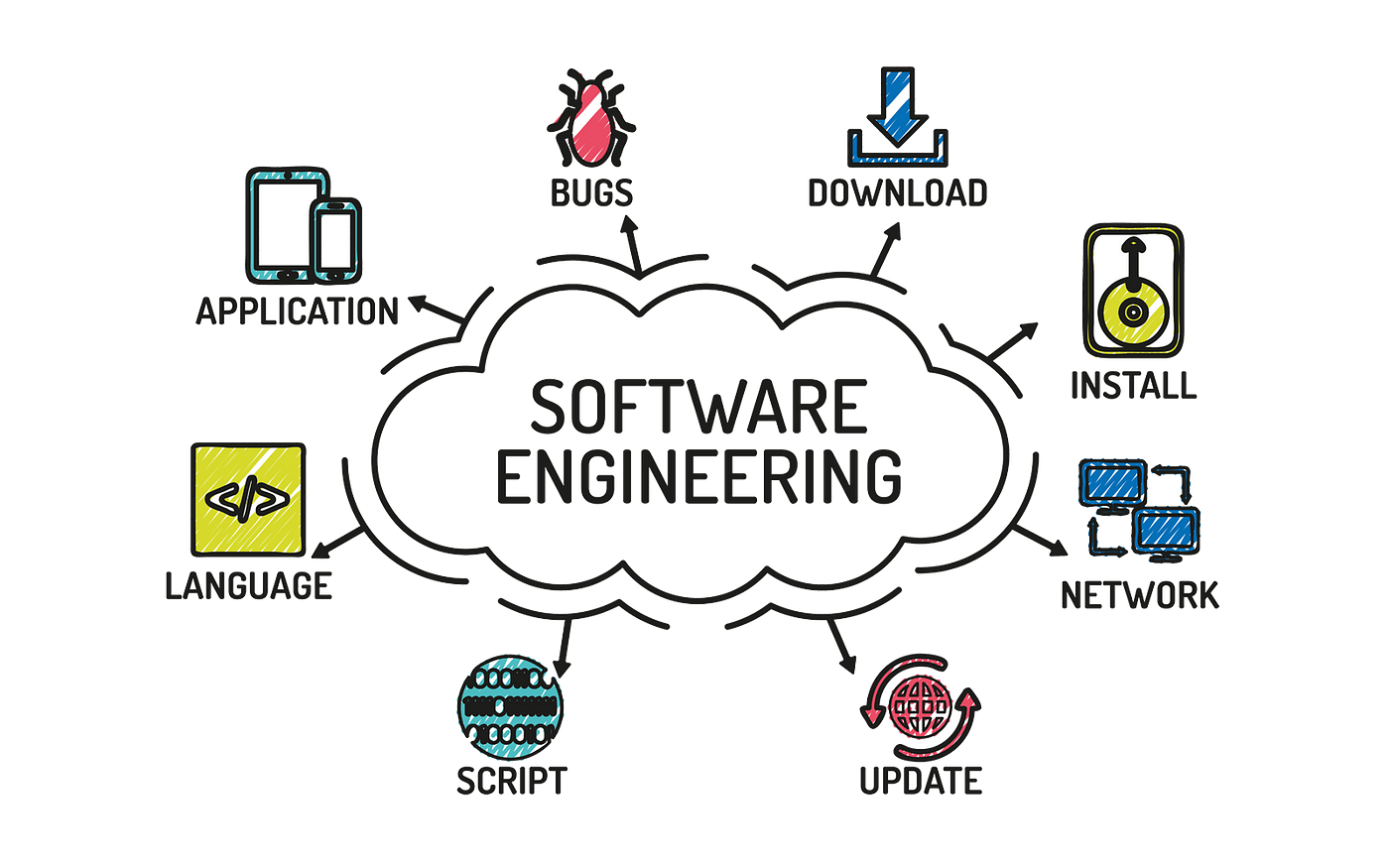 software development Diploma in Software Engineering: What You Will Learn and Where It Can Take You
 software development 4 Best Software Engineering Courses in Nairobi and Online
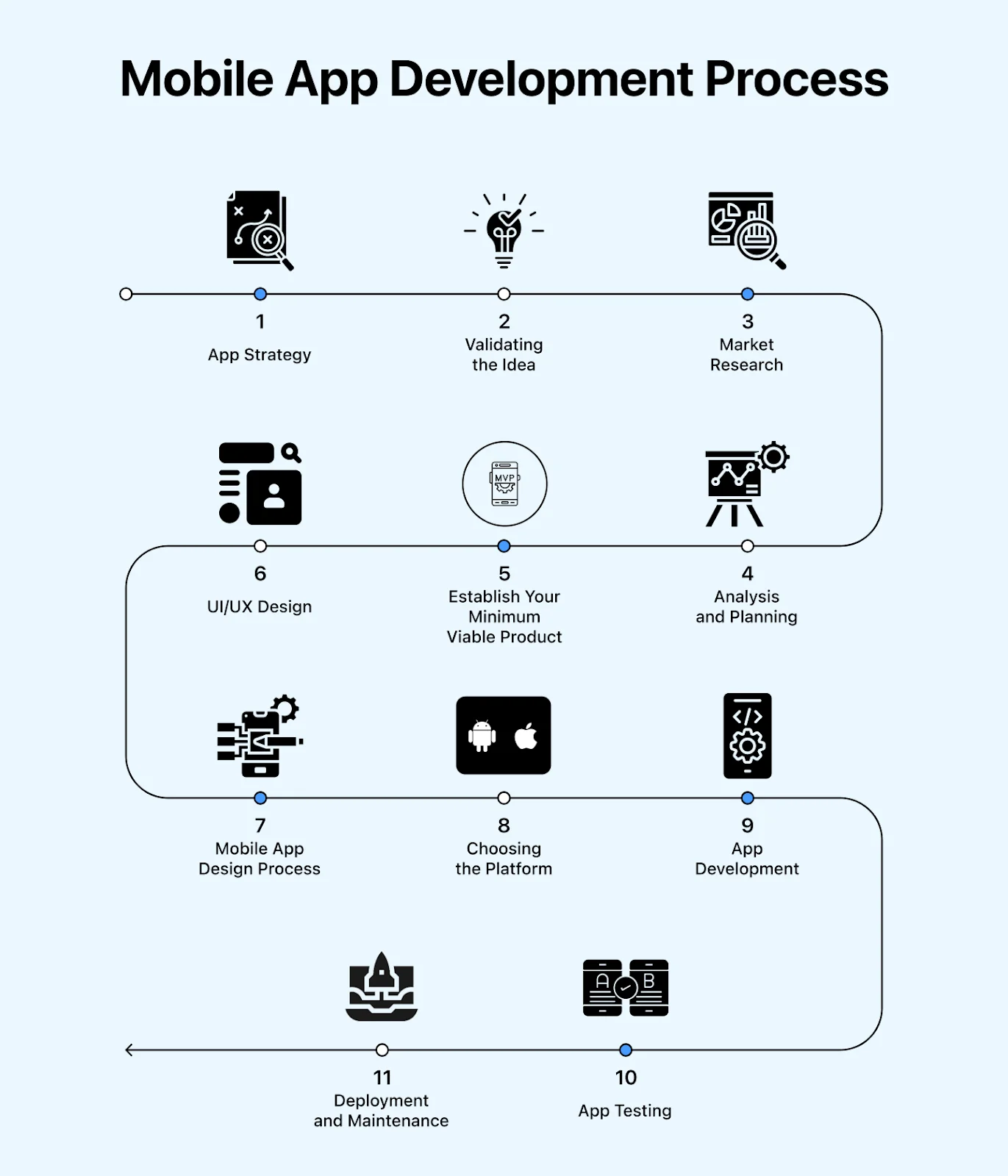 software development Software Engineering Diploma in Thika: Mobile App Development, Testing and Final-Year Projects
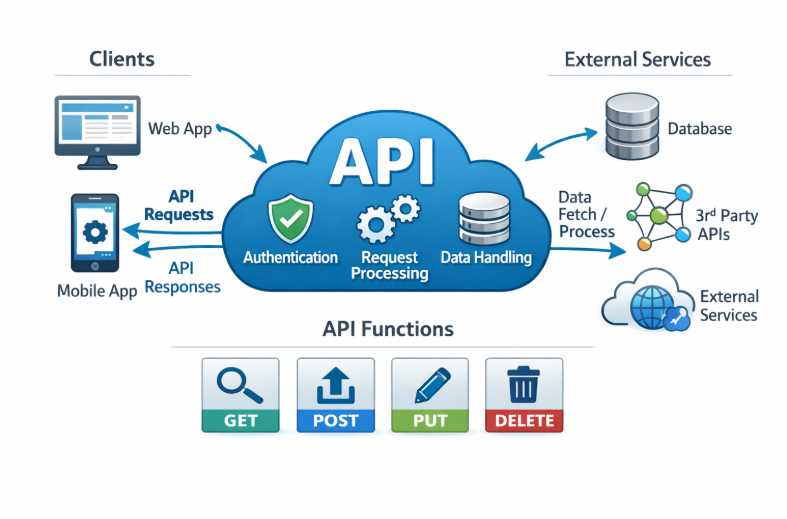 software development Software Engineering Diploma in Thika: Learn Databases, APIs, Security and Cloud Deployment
 software development Software Engineering Diploma in Thika: Advanced Web Development and Full-Stack Skills
 software development Software Engineering Course in Thika: Learn Coding and Build Real Projects in One Year
You might also like
 security What is Cybersecurity? A Complete Guide for Beginners
Nov 16, 2026
 beauty el Nails, Acrylic Nails and Nail Art: Which Skills Should You Learn?
Nov 13, 2026
 beauty Beauty Skills You Can Learn and Turn Into a Profitable Business in Kenya
Nov 13, 2026
 beauty Manicure and Pedicure Course in Kenya: Everything You Need to Know
Nov 13, 2026
 beauty : How to Become a Professional Nail Technician in Kenya
Nov 13, 2026
 caregiver How Caregiving Can Open Doors to International Employment Opportunitie
Nov 12, 2026