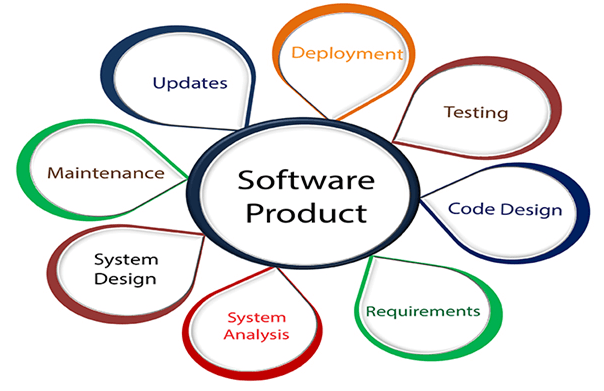
Software engineering is still one of the most in-demand tech careers in 2026 — but the job has changed, and so has what it takes to succeed in it. Here's what you actually need to know before you commit, and how Dazu Hub can help you get there.
If you're considering software engineering in 2026, you've probably also seen the headlines asking whether AI is about to replace developers. It's a fair question to ask before investing your time. The honest answer: the job is changing, but it isn't disappearing — it's shifting toward people who can do more than just write code. Here's what you actually need to know before you commit, and how Dazu Hub can help you build the right skills.
- The Job Has Shifted From Writing Code to Directing It
AI tools like GitHub Copilot and Claude Code can now generate large chunks of working code. That hasn't eliminated the need for engineers — it's changed what they spend their time on. More of the job now involves reviewing AI-generated code, catching its mistakes, and making architectural decisions the AI can't make on its own. - Fundamentals Still Matter More Than Ever
It might seem like AI makes learning to code less important, but it's the opposite. You need to understand logic, data structures, and system design well enough to know when the AI's suggestion is wrong — and AI tools are confidently wrong more often than people expect. Skipping the fundamentals to "just use AI" is one of the most common mistakes new developers make. - Demand Still Exists, but the Bar Has Risen
Companies are hiring, but many are prioritizing fewer, stronger engineers over large teams of junior developers. This is a real shift worth knowing about — it means entry-level roles are more competitive than they were five years ago, and building genuine skill (not just a certificate) matters more than ever. - Security Knowledge Is No Longer Optional
With more code being written faster than ever — much of it AI-generated — vulnerabilities slip through more easily. Engineers who understand secure coding practices are noticeably more employable than those who only know how to make something "work." - It's a Broad Field — Pick a Direction Eventually
Software engineering covers front-end, back-end, mobile, cloud infrastructure, and more. You don't need to choose immediately, but expect that after the fundamentals, you'll need to specialize to become genuinely competitive rather than staying a generalist forever. - This Isn't a Fast Track — and That's Worth Knowing Upfront
Software engineering rewards depth over time. If you're looking for the quickest possible route to a job, other tech paths may get you employed faster. If you're willing to build real understanding over months, not weeks, it pays off with strong long-term career options. - Remote and Freelance Work Are Genuinely Abundant
Once you have solid skills, software engineering remains one of the most remote- and freelance-friendly careers available — a real advantage if flexibility matters to you as much as the paycheck.
Getting Started with Dazu Hub
At Dazu Hub, our software engineering course teaches core programming fundamentals first — before layering in AI-assisted development, security practices, and cloud deployment — so you're building real understanding, not just copy-pasting AI output. You'll finish with real, working projects you can walk an interviewer through.
Software engineering in 2026 isn't the same job it was a few years ago, but it's far from obsolete. If you're willing to put in the work on fundamentals, it remains one of the most stable, well-paying paths in tech. Join Dazu Hub and start building the right way.
Related articles
 security What is Cybersecurity? A Complete Guide for Beginners
 software development Software Engineering Course in Thika: Build Real Skills, Real Projects, Real Career Opportunities
 beauty el Nails, Acrylic Nails and Nail Art: Which Skills Should You Learn?
 beauty Beauty Skills You Can Learn and Turn Into a Profitable Business in Kenya
 beauty Manicure and Pedicure Course in Kenya: Everything You Need to Know
 beauty : How to Become a Professional Nail Technician in Kenya
 caregiver How Caregiving Can Open Doors to International Employment Opportunitie
 caregiver Is Caregiving a Good Career? Salary, Opportunities and Career Growth in Kenya
You might also like
 caregiver 5 Reasons Why Young People Should Consider a Career in Caregiving
Nov 12, 2026
 caregiver How to Become a Professional Caregiver in Kenya: A Complete Beginner’s Guide
Nov 12, 2026
 caregiver How to Become a Professional Caregiver in Kenya: Training, Skills and Career Opportunities
Nov 11, 2026
 beauty Beauty therapy course Kenya, beauty training Nairobi, beauty and cosmetology course
Nov 11, 2026
 data . How to Become a Data Scientist in Kenya: Skills, Courses and Career Paths
Nov 11, 2026
 security . Ethical Hacking vs Cybersecurity: Which Career Should You Choose in Kenya?
Nov 11, 2026