
Caregiver salary in Kenya, caregiver jobs, caregiving career opportunities
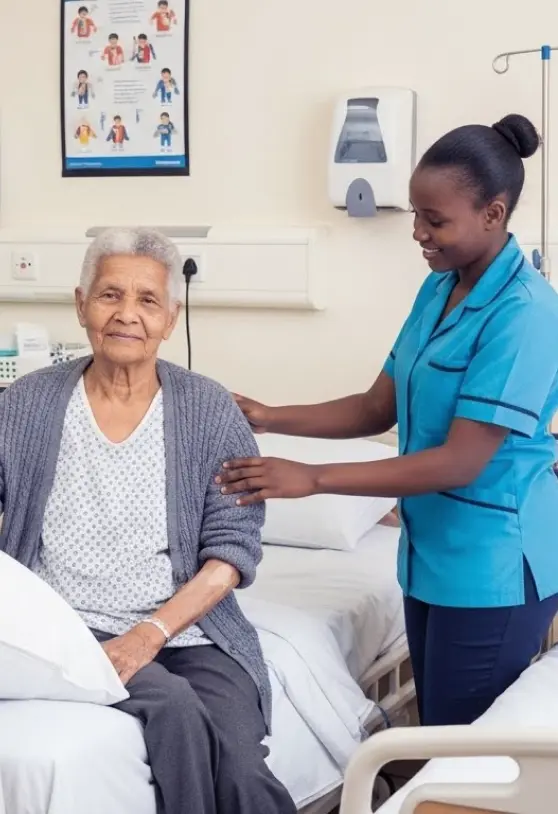
Is Caregiving a Good Career in Kenya? Jobs & Salary
As the global healthcare landscape expands, professional caregiving has transformed from an informal labor segment into a structured, highly sought-after profession. In Kenya, shifting demographics, an aging population, a growing awareness of chronic illness management, and an unprecedented demand for home-based care have elevated the role of professional caregivers.
Furthermore, international demand from countries like the United Kingdom, Canada, Germany, and the Gulf states has opened massive global pathways for trained Kenyan professionals.
If you are considering entering this field, you likely have pressing questions: Is caregiving a good career choice in Kenya? What is the average caregiver salary in Kenya? What career growth opportunities exist locally and abroad?
This comprehensive guide breaks down the reality of caregiving in Kenya, detailing job roles, salary expectations, training requirements, market demand, and prospective career pathways.
What Does a Caregiver Do? Understanding the Role
A caregiver provides physical, emotional, and practical support to individuals who cannot fully care for themselves due to aging, illness, injury, or disability. While often confused with nursing, caregiving focuses more on holistic daily living assistance, personal care, and emotional well-being, though many caregivers possess basic medical training.
Key Responsibilities of a Professional Caregiver
- Personal Care Assistance: Helping clients with daily activities such as bathing, dressing, grooming, and mobility.
- Health Monitoring: Administering prescribed medications, measuring vital signs (blood pressure, blood sugar), and documenting changes in physical or mental health.
- Nutrition and Diet: Meal planning, preparing specialized diets (e.g., diabetic-friendly meals), and feeding assistance.
- Companionship and Emotional Support: Engaging clients in cognitive exercises, conversations, and social activities to combat isolation and depression.
- Housekeeping and Mobility: Light domestic duties, managing sanitation, assisting with transfers (wheelchair to bed), and escorting clients to medical appointments.
Caregivers in Kenya work across various settings, including private residences, assisted living facilities, hospices, rehabilitation centers, and specialized day-care centers for seniors or children with special needs.
Market Demand: Why Caregiver Jobs in Kenya Are Surging
The demand for qualified caregiver jobs in Kenya is growing rapidly due to three primary drivers:
1. Shift Toward Home-Based Healthcare
Hospital stays in private Kenyan institutions are costly. Many families prefer home-based care for elderly relatives or recovering patients to cut costs while ensuring personalized attention. Families are increasingly moving away from relying solely on untrained domestic workers (house helps) and are actively seeking certified caregivers with basic nursing knowledge.
2. Demographic and Lifestyle Transitions
Non-communicable diseases (NCDs) such as diabetes, stroke, hypertension, cancer, and dementia are on the rise in East Africa. These long-term conditions require specialized home care, creating a strong domestic market for trained professionals.
3. International Recruitment (The Global Talent Pipeline)
Developed nations are facing severe labor shortages in their health and social care sectors due to rapidly aging populations. Countries like the United Kingdom (via the Health and Care Worker visa), Canada, and European nations actively recruit certified care workers from Kenya. This global demand has positioned caregiving as one of the fastest pathways to an international healthcare career.
Caregiver Salary in Kenya: What Can You Expect to Earn?
Salaries for care workers vary significantly based on qualifications, employer type, location (urban vs. rural), specialized skills (e.g., dementia care or palliative care), and whether the engagement is local or international.
Domestic Salary Breakdown (Within Kenya)
| Employment Level / Sector | Monthly Salary Range (KES) | Key Factors & Benefits |
| Entry-Level / General Private Care | KES 18,000 – KES 30,000 | Live-in or live-out; basic personal care for elderly or recovering patients. |
| Experienced / Agency-Employed | KES 35,000 – KES 55,000 | Placed by reputable home-care agencies; handles complex clinical care. |
| Specialized Care (Palliative/ICU Transition) | KES 60,000 – KES 90,000+ | Requires nursing background, stroke rehabilitation, or specialized dementia training. |
| Institutional Facilities / Hospices | KES 25,000 – KES 50,000 | Includes statutory benefits (NHIF/NSSF), fixed shifts, and structured leave. |
International Salary Prospects for Kenyan Caregivers
For caregivers seeking caregiving career opportunities abroad, the earning potential increases substantially:
- United Kingdom: £20,000 – £26,000 annually (approx. KES 270,000 – KES 350,000 per month gross).
- Canada: CAD 30,000 – CAD 42,000 annually (approx. KES 280,000 – KES 400,000 per month gross).
- Middle East (Gulf Region): USD 600 – USD 1,200 monthly (approx. KES 80,000 – KES 160,000 tax-free with accommodation).
Qualifications: How to Become a Certified Caregiver in Kenya
While informal caregiving existed for decades without accreditation, modern employers—both institutional and private—demand formal certification.
1. Educational Requirements
- Minimum KCSE Grade: Most certificate programs require a KCSE grade of D (Plain) or above. Some diploma-level entry points require a C- (Minus).
- Language Proficiency: Strong command of English and Swahili. For overseas opportunities, IELTS or OET language tests are standard requirements.
2. Relevant Training Programs and Certifications
To command higher wages, prospective caregivers should enroll in recognized institutions offering accredited caregiving or community health courses:
- First Aid and BLS (Basic Life Support): Mandatory certification for most professional placements.
- Specialized Short Courses: Certifications in Geriatric Care, Palliative Care, Pediatric Special Needs, and Dementia Management enhance employability.
3. Essential Soft Skills
Technical training must be complemented by essential personal qualities:
- Empathy and Patience: Managing emotionally or physically challenging clients requires deep resilience.
- Physical Stamina: The role often involves lifting, maneuvering patients, and standing for extended periods.
- Clear Communication: Caregivers act as vital bridges between doctors, family members, and patients.
Long-Term Career Growth Pathways
Caregiving is not a dead-end job; rather, it serves as a powerful launching pad for a long-term healthcare trajectory.
[Certified Entry-Level Caregiver]
               │
               ├──► [Specialized Senior Caregiver] ──► [Agency Supervisor / Manager]
               │
               ├──► [Nursing College / KMTC] ───────► [Registered Nurse (KRCHN)]
               │
               └──► [International Mobility] ───────► [Overseas Healthcare Professional]
Key Progression Paths:
- Specialization: Focus on niche fields such as stroke rehabilitation, pediatric special needs care, or end-of-life palliative care, which attract premium rates.
- Transition to Professional Nursing: Many caregivers use their income and hands-on clinical exposure to fund further studies in Diploma or Bachelor of Science in Nursing (BSN) programs.
- Healthcare Agency Entrepreneurship: Experienced caregivers often transition into managing home-care registries, recruiting, training, and placing caregivers with private clients.
- Global Healthcare Migration: Utilizing caregiving experience as a direct pathway for skilled worker immigration programs globally.
Pros and Cons of a Caregiving Career in Kenya
To determine if caregiving aligns with your personal and professional goals, consider the following balanced assessment:
The Advantages (Pros)
- High Job Security: The demand for caregivers remains steady regardless of broader economic downturns.
- Fast Track to Employment: Short training durations (ranging from 3 months to 1 year) allow for rapid entry into the workforce.
- Global Mobility: Caregiving offers one of the clearest non-degree pathways for international work visas.
- Profound Personal Satisfaction: Direct, positive impact on individuals and families in need of compassionate care.
The Challenges (Cons)
- Physical and Emotional Demands: Burnout and stress can occur when managing terminally ill or cognitively impaired clients.
- Irregular Hours: Live-in roles or emergency care demands flexible working hours and weekend shifts.
- Underpayment in Informal Settings: Private client contracts without agency oversight can sometimes result in low compensation or delayed payments.
Is Caregiving the Right Career Choice for You?
Caregiving is a practical, resilient, and expanding field in Kenya. It offers relatively low entry barriers, competitive earning potential in specialized segments, and unmatched access to international healthcare job markets.
If you possess genuine compassion, physical stamina, and a strong work ethic, caregiving can serve as both a fulfilling career and a dependable stepping stone to broader healthcare professions.
Practical Next Steps to Get Started:
- Enroll in a Accredited Course: Choose a TVETA or Kenya Red Cross recognized institution to complete your basic caregiver and First Aid certifications.
- Gain Clinical Exposure: Volunteer at local hospices, homes for the elderly, or community health centers to build practical experience.
- Build a Professional Profile: Register with licensed healthcare placement agencies in Kenya to secure vetted, fair-paying contracts.
- Prepare for Global Opportunities: If working abroad is your target, begin preparing early for required language proficiency exams (e.g., IELTS) and background clearance protocols.
Related articles
 caregiver How Caregiving Can Open Doors to International Employment Opportunitie
 caregiver 5 Reasons Why Young People Should Consider a Career in Caregiving
 caregiver How to Become a Professional Caregiver in Kenya: A Complete Beginner’s Guide
 caregiver How to Become a Professional Caregiver in Kenya: Training, Skills and Career Opportunities
You might also like
 security What is Cybersecurity? A Complete Guide for Beginners
Nov 16, 2026
 software development Software Engineering Course in Thika: Build Real Skills, Real Projects, Real Career Opportunities
Nov 13, 2026
 beauty el Nails, Acrylic Nails and Nail Art: Which Skills Should You Learn?
Nov 13, 2026
 beauty Beauty Skills You Can Learn and Turn Into a Profitable Business in Kenya
Nov 13, 2026
 beauty Manicure and Pedicure Course in Kenya: Everything You Need to Know
Nov 13, 2026
 beauty : How to Become a Professional Nail Technician in Kenya
Nov 13, 2026