
A full-stack developer isn't someone who knows a long list of tools it's someone who understands how those tools fit together to build a complete application. Here's what that actually involves, and how Dazu Institute can help you build it.
The modern full-stack developer combines frontend development, backend engineering, databases, APIs, version control, and deployment technologies to build complete web applications from the user interface to the underlying server infrastructure. Beyond learning individual programming languages or frameworks, becoming a full-stack developer requires an understanding of how different technologies work together to create secure, responsive, and scalable digital products. Developers may work with technologies such as HTML, CSS, JavaScript, React, Python, Django, SQL, REST APIs, Git, and cloud platforms, while also developing essential skills in problem-solving, debugging, collaboration, and software architecture. As businesses increasingly depend on web-based applications and digital services, full-stack development provides a broad technical foundation that can lead to career opportunities in web development, software engineering, application development, and related technology fields.
The Frontend Layer: What Users Actually See
Full-stack developers need a solid grasp of HTML, CSS, and JavaScript to build the interfaces users interact with directly, often extending this with a framework like React to build more dynamic, responsive applications. This layer determines how usable and polished an application feels, making it just as important as anything happening behind the scenes.
The Backend Layer: The Logic Behind the Interface
On the backend, developers work with languages and frameworks such as Python and Django to handle the logic that powers an application processing requests, applying business rules, and determining what data gets sent back to the frontend. Understanding this layer well means a developer isn't just building what an application looks like, but how it actually behaves and functions.
Databases: Where the Real Data Lives
Nearly every meaningful web application needs to store and retrieve data reliably, which is where database skills like SQL come in. Full-stack developers need to understand how to design database structures, write queries, and ensure data is stored efficiently skills that directly affect how well an application performs as it grows.
APIs: The Connective Tissue Between Systems
REST APIs allow different parts of an application or entirely different applications to communicate with each other. Full-stack developers need to understand how to build and consume APIs, since this is often what connects a frontend interface to backend logic, or connects an application to outside services and data sources.
Version Control: Working Safely and Collaboratively
Git is essential for tracking changes to code over time and collaborating with other developers without overwriting each other's work. Full-stack developers use version control constantly, both for their own project history and for working within a team, making it a foundational skill rather than an optional extra.
Deployment: Getting an Application Into the Real World
Building an application is only part of the job full-stack developers also need to understand how to deploy it to cloud platforms so real users can actually access it. This includes understanding basic infrastructure concepts, environment configuration, and how to keep an application running reliably once it's live.
Why Understanding Connections Matters More Than Memorizing Tools
The real skill of full-stack development isn't knowing every technology in isolation it's understanding how a request moves from a user's click on the frontend, through an API, into backend logic, and finally into a database query and back again. This systems-level understanding is what allows full-stack developers to troubleshoot problems anywhere in that chain, not just within one layer.
Problem-Solving and Debugging as Core Skills
Because full-stack developers work across so many layers, they regularly need to figure out where in the system something is actually going wrong is it a frontend display issue, a backend logic error, or a database problem? Strong debugging skills, built through consistent practice, are what allow developers to narrow this down efficiently rather than guessing.
Collaboration Across a Broader Range of Work
Full-stack developers often work closely with designers, backend specialists, and project managers, since their work touches so many parts of a project. Being able to communicate clearly across these different areas explaining a frontend limitation to a designer, or a data structure decision to a backend teammate is a practical skill that develops alongside the technical ones.
Career Pathways Full-Stack Skills Can Lead To
A strong full-stack foundation opens doors into several related career paths web development, software engineering, application development, and technical roles at startups where developers often need to work across the entire stack rather than specializing narrowly. This breadth gives full-stack developers flexibility to move between roles and industries as their career develops.
Building These Skills at Dazu Institute
At Dazu Institute, full-stack development is taught by working through real, connected projects building frontend interfaces, backend logic, databases, and APIs together, rather than learning each piece in isolation. This approach helps learners understand how these technologies actually work together in a real application, not just how each one functions on its own.
Full-stack development remains one of the broadest, most versatile technical foundations you can build in technology today. Come get these skills at Dazu Institute and start building complete applications from the ground up.
Related articles
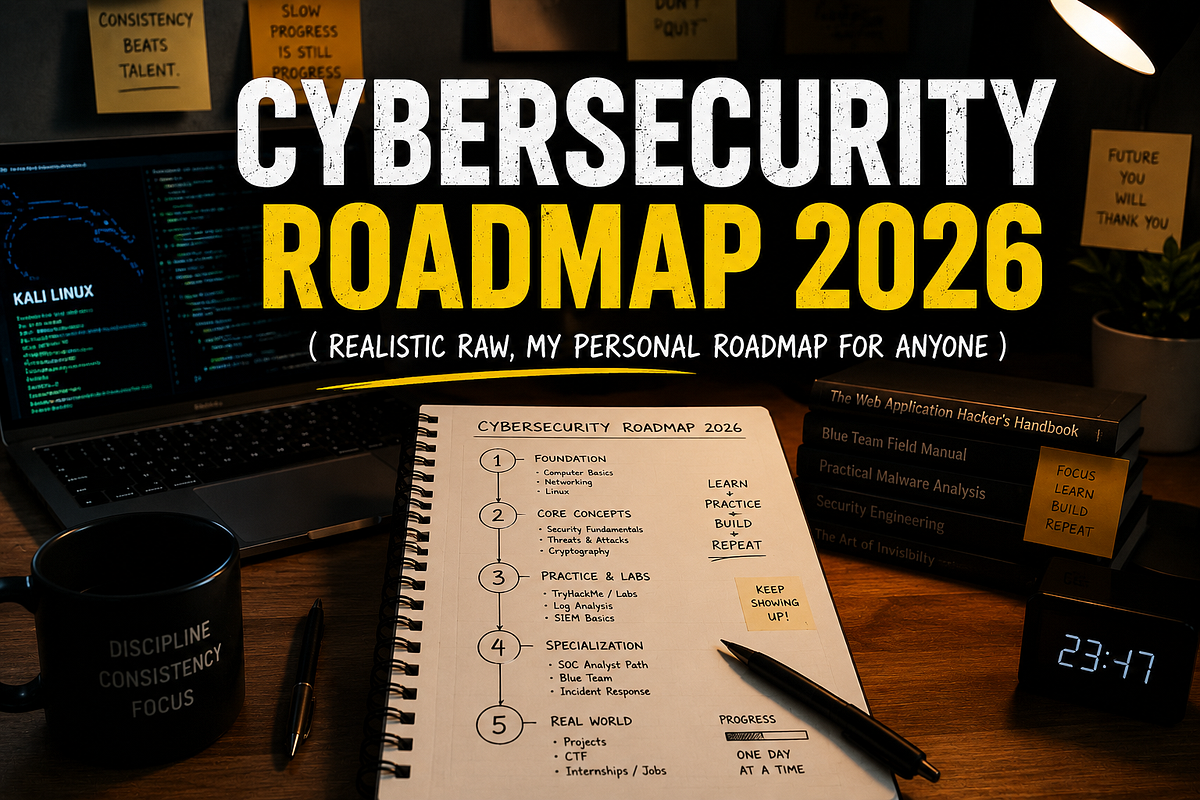 security What is Cybersecurity? A Complete Guide for Beginners
 software development Software Engineering Course in Thika: Build Real Skills, Real Projects, Real Career Opportunities
 beauty el Nails, Acrylic Nails and Nail Art: Which Skills Should You Learn?
 beauty Beauty Skills You Can Learn and Turn Into a Profitable Business in Kenya
 beauty Manicure and Pedicure Course in Kenya: Everything You Need to Know
 beauty : How to Become a Professional Nail Technician in Kenya
 caregiver How Caregiving Can Open Doors to International Employment Opportunitie
 caregiver Is Caregiving a Good Career? Salary, Opportunities and Career Growth in Kenya
You might also like
 caregiver 5 Reasons Why Young People Should Consider a Career in Caregiving
Nov 12, 2026
 caregiver How to Become a Professional Caregiver in Kenya: A Complete Beginner’s Guide
Nov 12, 2026
 caregiver How to Become a Professional Caregiver in Kenya: Training, Skills and Career Opportunities
Nov 11, 2026
 beauty Beauty therapy course Kenya, beauty training Nairobi, beauty and cosmetology course
Nov 11, 2026
 data . How to Become a Data Scientist in Kenya: Skills, Courses and Career Paths
Nov 11, 2026
 security . Ethical Hacking vs Cybersecurity: Which Career Should You Choose in Kenya?
Nov 11, 2026