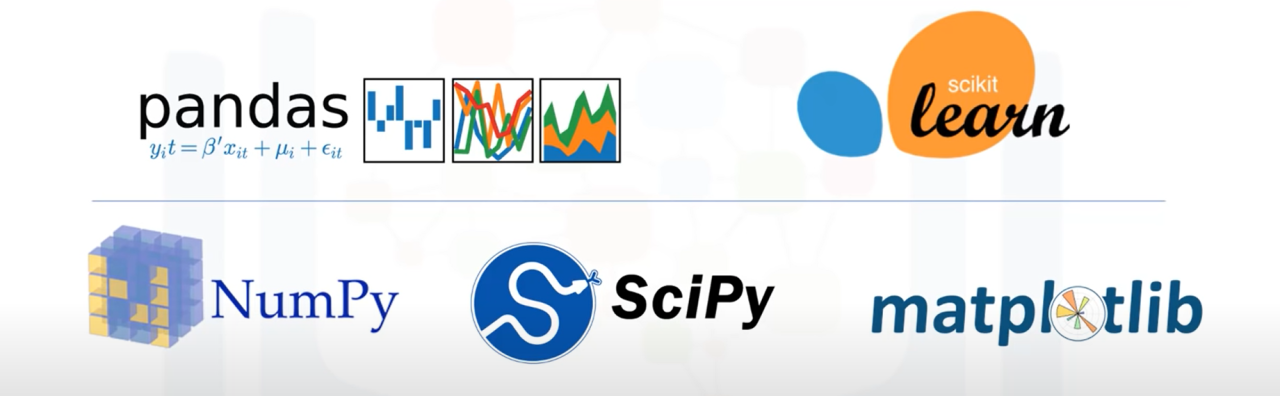
Choosing the right algorithm is only one part of machine learning working efficiently with data matters just as much. Here's how NumPy, Pandas, and Scikit-Learn work together, and how Dazu Hub can help you master this workflow.
Machine learning is transforming how businesses, researchers, and technology professionals analyze data, identify patterns, and build intelligent systems. However, successful machine learning development depends on more than choosing an algorithm it requires the ability to efficiently work with data, perform analysis, and develop reliable predictive models. Python has become one of the most widely used programming languages for this process because of its powerful ecosystem of specialized libraries.
Among the most important tools in the Python machine learning ecosystem are NumPy, Pandas, and Scikit-Learn. NumPy provides the mathematical and numerical foundation required for data computation, Pandas simplifies data manipulation and analysis, while Scikit-Learn provides practical tools for building, training, and evaluating machine learning models. Together, these libraries form an essential workflow for aspiring data scientists and machine learning professionals. Understanding how they work individually and how they can be combined in a complete machine learning project provides a strong foundation for moving from raw data to meaningful insights and intelligent predictions.
NumPy: The Numerical Foundation Underneath Everything
Machine learning is fundamentally built on numerical computation vectors, matrices, and mathematical operations performed at scale. NumPy provides the efficient data structures and operations needed to handle this kind of computation quickly, even with large datasets. Many other Python data and machine learning libraries, including Pandas and Scikit-Learn, are actually built on top of NumPy, which makes understanding it a foundational step rather than an optional one.
What Makes NumPy Different From Regular Python
Standard Python lists aren't designed for the kind of fast, large-scale numerical operations machine learning requires. NumPy introduces arrays that can perform mathematical operations across entire datasets at once, dramatically faster than looping through data manually. Learning to think in this array-based way is a genuine shift for beginners, but it's essential for writing efficient machine learning code later on.
Pandas: Making Real-World Data Usable
Raw data is rarely clean or ready to use it often contains missing values, inconsistent formatting, or needs to be reorganized before any analysis can happen. Pandas provides tools specifically designed for this kind of data manipulation, using structures called Data Frames that make it far easier to filter, clean, group, and reshape data compared to working with raw NumPy arrays alone.
Why Data Cleaning Skills Matter as Much as Modeling Skills
A large part of any real machine learning project involves preparing data before a model ever sees it handling missing values, removing duplicates, converting data types. Pandas is the tool most Python-based data professionals rely on for this stage, and developing strong skills here often has more impact on a project's success than the choice of machine learning algorithm itself.
Scikit-Learn: Turning Prepared Data Into Predictions
Once data has been cleaned and organized, Scikit-Learn provides the tools to actually build machine learning models offering a consistent, well-documented interface for tasks like classification, regression, and clustering. Its design allows learners to train a model, make predictions, and evaluate results using a similar workflow across many different types of algorithms, which makes it especially approachable for people newer to machine learning.
Evaluating Models Properly, Not Just Building Them
Scikit-Learn also provides tools for evaluating how well a model actually performs splitting data into training and testing sets, measuring accuracy, and comparing different models against each other. Learning to evaluate models properly is just as important as learning to build them, since a model that looks good on paper but hasn't been tested correctly can lead to unreliable, misleading predictions in the real world.
How These Three Libraries Work Together in a Real Project
In a typical machine learning workflow, Pandas is used first to load, clean, and explore the data. NumPy operates underneath this process, handling the underlying numerical computations. Once the data is properly prepared, Scikit-Learn takes over to build, train, and evaluate a predictive model. Understanding how these three tools hand off to one another gives learners a complete, practical picture of how a machine learning project actually moves from raw data to a working model.
Why This Combination Is the Right Place to Start
Rather than jumping straight into more advanced deep learning frameworks, building a strong foundation in NumPy, Pandas, and Scikit-Learn first gives learners the core data-handling and modeling skills that even advanced machine learning work depends on. Many professionals continue using this combination regularly, even after learning more specialized tools, because so many real-world projects don't require anything more complex.
Join Dazu Hub to Build These Skills
If this sounds like the kind of practical, foundational skill set you want to build, Dazu Hub is a great place to start. Our machine learning training walks you through NumPy, Pandas, and Scikit-Learn using real datasets and real projects not just isolated exercises so you understand how these tools fit together in an actual machine learning workflow, from raw data to a working predictive model. Whether you're completely new to Python or already have some programming experience, come join us at Dazu Hub and start building the skills that turn data into genuine insight.
Related articles
 security What is Cybersecurity? A Complete Guide for Beginners
 software development Software Engineering Course in Thika: Build Real Skills, Real Projects, Real Career Opportunities
 beauty el Nails, Acrylic Nails and Nail Art: Which Skills Should You Learn?
 beauty Beauty Skills You Can Learn and Turn Into a Profitable Business in Kenya
 beauty Manicure and Pedicure Course in Kenya: Everything You Need to Know
 beauty : How to Become a Professional Nail Technician in Kenya
 caregiver How Caregiving Can Open Doors to International Employment Opportunitie
 caregiver Is Caregiving a Good Career? Salary, Opportunities and Career Growth in Kenya
You might also like
 caregiver 5 Reasons Why Young People Should Consider a Career in Caregiving
Nov 12, 2026
 caregiver How to Become a Professional Caregiver in Kenya: A Complete Beginner’s Guide
Nov 12, 2026
 caregiver How to Become a Professional Caregiver in Kenya: Training, Skills and Career Opportunities
Nov 11, 2026
 beauty Beauty therapy course Kenya, beauty training Nairobi, beauty and cosmetology course
Nov 11, 2026
 data . How to Become a Data Scientist in Kenya: Skills, Courses and Career Paths
Nov 11, 2026
 security . Ethical Hacking vs Cybersecurity: Which Career Should You Choose in Kenya?
Nov 11, 2026