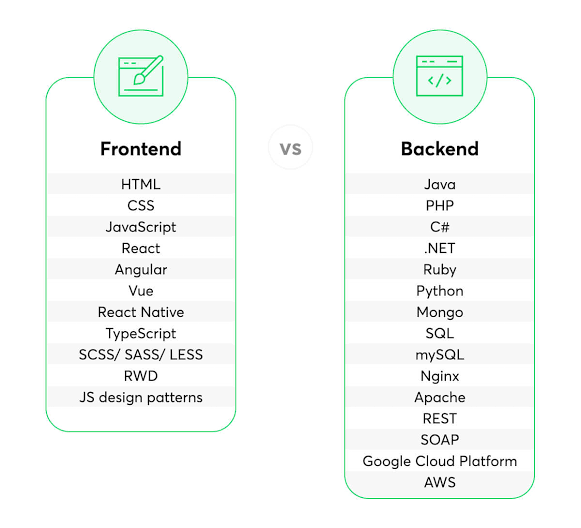
Every application has two sides what the user sees, and what makes it actually work. Here's a clear breakdown of frontend and backend development, and how Dazu Institute can help you build skills in either, or both.
Understanding the difference between frontend and backend development is an important step for anyone considering a career in software development. Frontend development focuses on the parts of an application that users see and interact with, while backend development manages the server, databases, APIs, and the logic that powers those experiences. Learning how these two areas work together gives aspiring developers a stronger understanding of how modern websites and applications are built. Whether you choose to specialize in frontend, backend, or eventually become a full-stack developer, developing practical skills in these areas can open opportunities to build real-world digital solutions and grow within the software development industry.
What Frontend Development Actually Involves
Frontend development is everything a user directly sees and interacts with the layout of a page, the buttons they click, the way a form responds when they type into it. Frontend developers typically work with HTML, CSS, and JavaScript, along with frameworks like React or Vue, to turn a design into a working, interactive interface. Good frontend work isn't just about visuals it's about making sure the interface responds correctly, loads quickly, and works smoothly across different devices and screen sizes.
What Backend Development Actually Involves
Backend development happens behind the scenes it's the server, the database, and the logic that processes requests, stores information, and sends the right data back to the frontend. When a user logs into an account, places an order, or searches for something, backend code is what actually retrieves the correct information, checks permissions, and makes sure the right thing happens. Backend developers commonly work with languages like Python, PHP, or Node.js, alongside databases such as MySQL or PostgreSQL.
How the Two Sides Actually Work Together
Neither side works in isolation a frontend interface is only useful if it's connected to a backend system that supplies real data, and a backend system is only useful if there's a frontend that can display and interact with that data. This connection typically happens through APIs, which act as the communication layer between the two. Understanding this relationship, even at a basic level, helps developers on either side write code that fits well into the larger system, rather than working blindly on their own piece.
Why This Distinction Matters When Choosing a Specialization
Frontend and backend development require different strengths, even though both fall under "software development." Frontend work tends to reward attention to visual detail, user experience, and interactivity. Backend work tends to reward strong logical thinking, an understanding of data structures, and comfort working with systems that have no visual interface at all. Recognizing which side naturally interests you more can help you choose a specialization that plays to your strengths, rather than picking one at random.
The Case for Learning Both, at Least at a Basic Level
Even developers who plan to specialize benefit from understanding the other side well enough to communicate clearly with it. A frontend developer who understands basic backend concepts can have more productive conversations with backend teammates about what data is available and how it's structured. A backend developer who understands basic frontend concepts can build APIs that are actually easy for frontend developers to work with. This mutual understanding reduces friction on real development teams.
Becoming a Full-Stack Developer
Some developers choose to build strong skills in both frontend and backend, becoming what's known as a full-stack developer. This path offers more flexibility full-stack developers can work on smaller teams or solo projects where one person needs to handle the entire application, and they often have an easier time understanding a project's full architecture. It does require a broader range of skills to maintain, which is worth considering honestly before committing to this path over a focused specialization.
Why This Understanding Matters Early in Your Learning Journey
Aspiring developers who understand this distinction early tend to make more informed decisions about what to learn next, rather than jumping between unrelated tutorials. It also helps when applying for jobs or internships, since job postings almost always specify frontend, backend, or full-stack understanding what each actually involves helps you target the right roles from the start, instead of applying broadly and hoping for the best.
Learning Frontend and Backend Development at Dazu Institute
At Dazu Institute, students are introduced to both frontend and backend development through real, practical projects building interfaces, connecting them to working backend systems, and understanding how the two communicate through APIs. This gives learners a genuine foundation for choosing their specialization with confidence, rather than guessing based on incomplete information.
Understanding frontend and backend development is one of the clearest first steps toward a real career in software development. Learn both sides properly at Dazu Institute and start building the digital solutions that businesses actually rely on.
Related articles
 security What is Cybersecurity? A Complete Guide for Beginners
 software development Software Engineering Course in Thika: Build Real Skills, Real Projects, Real Career Opportunities
 beauty el Nails, Acrylic Nails and Nail Art: Which Skills Should You Learn?
 beauty Beauty Skills You Can Learn and Turn Into a Profitable Business in Kenya
 beauty Manicure and Pedicure Course in Kenya: Everything You Need to Know
 beauty : How to Become a Professional Nail Technician in Kenya
 caregiver How Caregiving Can Open Doors to International Employment Opportunitie
 caregiver Is Caregiving a Good Career? Salary, Opportunities and Career Growth in Kenya
You might also like
 caregiver 5 Reasons Why Young People Should Consider a Career in Caregiving
Nov 12, 2026
 caregiver How to Become a Professional Caregiver in Kenya: A Complete Beginner’s Guide
Nov 12, 2026
 caregiver How to Become a Professional Caregiver in Kenya: Training, Skills and Career Opportunities
Nov 11, 2026
 beauty Beauty therapy course Kenya, beauty training Nairobi, beauty and cosmetology course
Nov 11, 2026
 data . How to Become a Data Scientist in Kenya: Skills, Courses and Career Paths
Nov 11, 2026
 security . Ethical Hacking vs Cybersecurity: Which Career Should You Choose in Kenya?
Nov 11, 2026