
Interested in coding? Discover Python programming courses in Kenya at DAZU Training Institute and develop practical software development skills
https://www.tiktok.com/@dazuhub/video/7691333953575210248?is_from_webapp=1&sender_device=pc
Introduction
Would you like to learn how computer programs, mobile applications and digital systems are created?
Programming is one of the most interesting areas of technology because it allows people to solve problems using computers.
For example, imagine a supermarket that needs to calculate daily sales, organise product information and prepare reports automatically.
Instead of performing every task manually, a computer program can help simplify the process.
Python is one of the programming languages used to develop such solutions.
At DAZU Training Institute, learners can explore Python Programming and other software development courses.
1. What Is Python Programming?
Python is a programming language used to create software, automate tasks, analyse information and develop applications.
It is popular among beginners because its syntax is relatively easy to read.
A simple Python program can calculate expenses, organise records or perform repetitive tasks.
2. What Will You Learn in Python?
Python training introduces learners to important programming concepts.
These include:
- Variables and data types.
- Programming syntax.
- Conditions and decision-making.
- Loops.
- Functions.
- Object-oriented programming.
- Basic automation.
- Problem-solving.
Understanding these concepts gives learners a foundation for developing computer programs.
3. Practical Examples of Python Applications
Example 1: Business Expense Calculator
Imagine you operate a small business and want to calculate your daily expenses.
Python can help create a program that adds different expenses and displays the total.
Example 2: Managing Customer Information
A business may have hundreds of customer records.
Python can help process and organise this information, making certain tasks easier.
Example 3: Automating Repetitive Tasks
Some computer tasks are performed repeatedly.
Python can be used to automate suitable repetitive activities, helping save time.
Example 4: Exploring Artificial Intelligence
Python is widely used in artificial intelligence, data science and machine learning.
After learning programming fundamentals, you can explore more advanced technology areas.
4. Why Learn Python in Kenya?
Python can be useful for people interested in:
- Software development.
- Artificial intelligence.
- Data analysis.
- Automation.
- Application development.
- Technology entrepreneurship.
It is also a valuable starting point for people who want to understand how software is developed.
5. Other Technology Courses at DAZU Training Institute
Apart from Python Programming, learners at DAZU Training Institute can explore:
- Fullstack Web Development.
- Software Engineering.
- Data Analytics.
- Artificial Intelligence.
- Machine Learning.
- AI Automation.
- Cybersecurity.
These courses provide opportunities to explore different technology specialisations.
6. Move from Programming Basics to Building Complete Programs
Knowing individual Python statements is only the beginning. The next step is learning how to combine variables, conditions, loops and functions to solve a complete problem. For example, an expense tracker can ask a user to enter several expenses, store the values, calculate the total and display a summary.
Learners should practise breaking a large problem into smaller steps. First identify the required inputs, then decide what processing is needed and finally determine what output the program should produce. This approach makes problems easier to understand and test.
7. Work with Python Data Structures
Lists allow a program to store multiple items in an ordered collection. Dictionaries store information as key-value pairs, which is useful for representing records such as a product name, price and quantity. Tuples and sets provide other ways to organise data for particular tasks.
For example, a small stock program could store product records and calculate the value of available stock. Learners can practise adding records, searching for an item, updating quantities and displaying results. These exercises introduce the logic used in larger applications.
8. Understand Files, Errors and Object-Oriented Programming
File handling allows a program to read information from and write information to files. This can be useful for saving simple records between program runs. Exception handling helps a program respond sensibly when something goes wrong, such as invalid input or a missing file.
Object-oriented programming introduces classes and objects as ways to organise related data and behaviour. A class called Product, for example, could describe the attributes and operations associated with a product. Learners should first understand how to create classes and objects, then practise methods, constructors and other OOP concepts.
9. Five Beginner Projects to Strengthen Your Skills
- Expense tracker: accept expense entries, calculate totals and display a summary.
- Student marks manager: store student names and marks, calculate averages and assign results using clearly defined rules.
- Simple stock manager: add products, update quantities and search for items.
- Number guessing game: generate a number, accept guesses and provide higher-or-lower feedback.
- Contact book: add, view, search and update contact records.
Start with a command-line version before adding a graphical interface or database. Test normal inputs, empty values and invalid entries. Explain your code in comments where necessary and keep improving the program as you learn.
10. What Comes After Python Fundamentals?
Python can lead into several areas, but each requires additional learning. Web development may involve a framework such as Django or Flask. Data analysis may involve libraries for working with tables and visualising information. Automation may involve file processing and integrations. Machine learning requires additional concepts in statistics, data preparation and model evaluation.
Choose the next area based on the problems you want to solve. A strong foundation in programming logic, debugging and project development will make later topics easier to approach.
Frequently Asked Questions
Is Python difficult for beginners?
Python is considered beginner-friendly because its syntax is relatively readable. However, learning programming requires practice, patience and problem-solving.
Do I need mathematics to learn Python?
You can start learning basic Python without advanced mathematics. More specialised areas such as machine learning may require additional mathematical knowledge.
Can I get a job after learning Python?
Python can support different career paths, including software development and data-related roles. Employment depends on your skills, experience, portfolio and qualifications.
Does DAZU Training Institute teach Python?
Yes. Python Programming is among the courses listed in Dazu's technology training catalogue.
Start Your Programming Journey at DAZU Training Institute
You do not need to be an experienced programmer to begin learning Python.
With structured training and regular practice, you can gradually develop your coding abilities.
Join DAZU Training Institute and take the first step towards becoming a programmer.
Contact DAZU Training Institute today to enquire about Python Programming classes.
Related articles
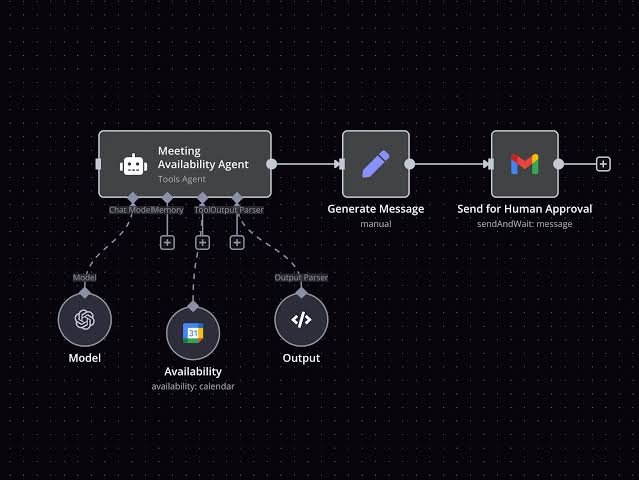 Skills Business Automation in Kenya: How to Build Smart Systems Using n8n, APIs and AI
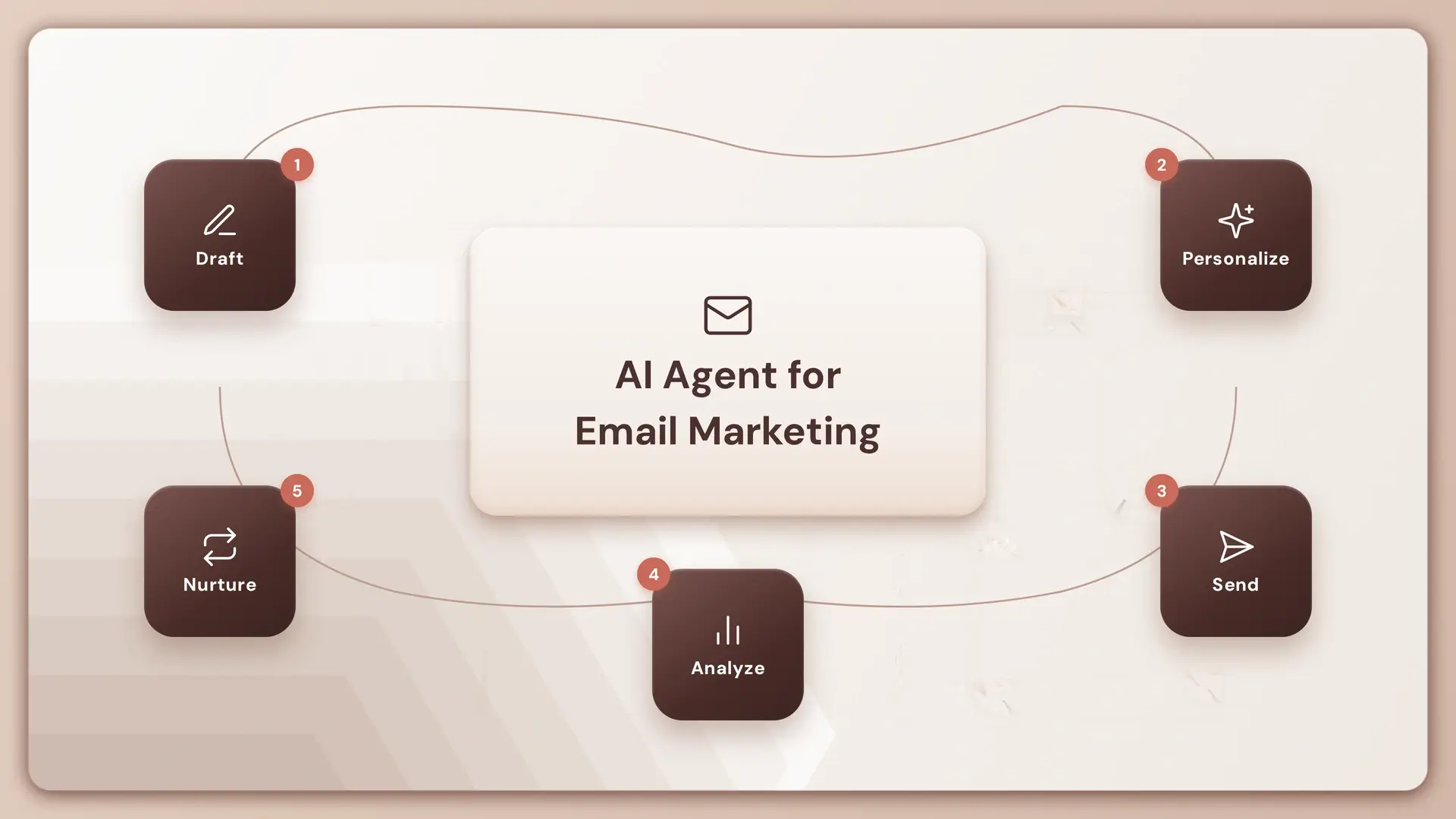 Skills AI Agents for Business Automation: Automate Emails, Slack Messages and Daily Tasks
 Skills JavaScript API Integration: Learn to Connect Websites, Applications and Business Systems
 Skills Python API Integration in Kenya: Learn to Connect Applications and Automate Tasks
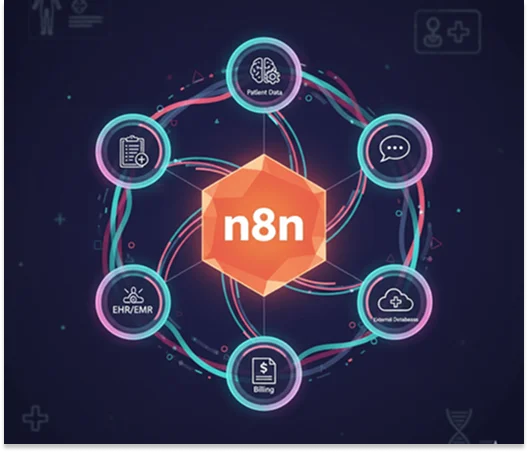 Skills Learn n8n Automation in Kenya: Connect Apps and Automate Business Workflows
 Skills Workflow Automation in Kenya: Understand Triggers, Actions and How Automation Works
 Skills Software Engineering Courses in Kenya: Learn Software Development at DAZU Training Institute
 Skills Data Analysis Courses in Kenya: Learn Excel and Power BI at DAZU Training Institute
You might also like
 security What is Cybersecurity? A Complete Guide for Beginners
Nov 16, 2026
 software development Software Engineering Course in Thika: Build Real Skills, Real Projects, Real Career Opportunities
Nov 13, 2026
 beauty el Nails, Acrylic Nails and Nail Art: Which Skills Should You Learn?
Nov 13, 2026
 beauty Beauty Skills You Can Learn and Turn Into a Profitable Business in Kenya
Nov 13, 2026
 beauty Manicure and Pedicure Course in Kenya: Everything You Need to Know
Nov 13, 2026
 beauty : How to Become a Professional Nail Technician in Kenya
Nov 13, 2026