
Discover artificial intelligence courses in Kenya at DAZU Training Institute. Learn AI tools, automation and practical digital skills.
https://www.tiktok.com/@dazuhub/video/7697380415044144392?is_from_webapp=1&sender_device=pc
Introduction
Artificial Intelligence, commonly known as AI, is changing how people work, learn and operate businesses.
From tools that generate written content to systems that analyse information and automate tasks, AI is becoming part of everyday life.
Imagine owning a small business in Nairobi.
You need to write product descriptions, prepare marketing ideas, respond to customer enquiries and organise business information.
AI tools can help you perform some of these tasks more efficiently.
But how do you use these tools correctly?
Learning artificial intelligence can help you understand how modern technology works and how it can be applied in real situations.
At DAZU Training Institute, learners can explore Generative AI, AI and Digital Marketing, AI Automation and other technology-related courses.
1. What Is Artificial Intelligence?
Artificial Intelligence refers to computer systems designed to perform tasks that typically require human-like intelligence.
These tasks may include understanding language, recognising patterns, generating content and analysing information.
Examples of AI applications include:
- ChatGPT.
- AI writing assistants.
- Image generation tools.
- Voice recognition systems.
- AI-powered business automation.
- Data analysis tools.
2. Learn Generative AI
Generative AI refers to artificial intelligence systems that can generate new content.
For example, a student can use an AI tool to brainstorm ideas for a school project.
A business owner can use AI to prepare draft product descriptions or develop marketing ideas.
At Dazu, learners can explore Generative AI and understand how such tools can be applied in everyday activities.
3. Learn AI and Digital Marketing
AI is changing how businesses approach online marketing.
Imagine managing the social media account of a clothing business.
You need to prepare captions, generate content ideas and plan promotional campaigns.
AI tools can assist with:
- Generating content ideas.
- Drafting marketing messages.
- Preparing content calendars.
- Brainstorming advertisements.
- Supporting customer communication.
DAZU Training Institute offers AI and Digital Marketing training for learners interested in combining artificial intelligence with online marketing.
4. Learn AI Automation
AI automation involves using technology to simplify suitable repetitive business activities.
For example, a business may receive many customer enquiries every day.
Automation tools can help organise enquiries, support responses and streamline certain workflows.
DAZU Training Institute offers AI Automation as a learning option for people interested in understanding how AI can support business processes.
5. Learn Machine Learning
Machine Learning is an area of artificial intelligence that involves systems learning patterns from data.
For example, an online shopping platform may analyse customer activity to recommend products.
People interested in this field can explore how computers use data to make predictions and support decisions.
6. Who Should Learn Artificial Intelligence?
AI training may be suitable for:
- Students.
- Entrepreneurs.
- Business owners.
- Digital marketers.
- Content creators.
- IT professionals.
- Technology enthusiasts.
- People interested in automation.
You do not need to be an AI expert before beginning. You can start by understanding basic AI concepts and gradually explore more advanced applications.
Why Learn AI at DAZU Training Institute?
DAZU Training Institute provides technology learning opportunities in emerging digital fields.
You can explore Generative AI, AI and Digital Marketing, AI Automation, Machine Learning and related technology courses.
These learning paths can help you understand how artificial intelligence is being applied in different industries.
7. Learn Prompting and Evaluating AI Outputs
A prompt is the instruction or context given to an AI tool. Clear prompts usually explain the task, intended audience, relevant background, constraints and desired format. For example, instead of asking for a general marketing caption, a user can specify the product, target customer, platform, tone and action they want readers to take.
AI output should always be reviewed. Check facts, calculations, names, dates, references and claims before using the result. AI systems can produce confident but incorrect information, omit important context or misunderstand an instruction. Human review is especially important for legal, medical, financial and other high-impact decisions.
8. Understand AI Limitations, Privacy and Responsible Use
AI tools may generate inaccurate information, reflect bias in their training data or produce content that sounds convincing without being reliable. They should not be treated as a substitute for professional judgement or independent verification.
Protect personal and business information. Avoid entering passwords, confidential client records, private student information or sensitive business documents into a tool unless you are authorised to do so and have checked the tool's data handling terms.
When using generated text or images, review them for accuracy, originality, copyright concerns and suitability. Be transparent where disclosure is required, and do not use AI to create deceptive reviews, fake evidence or misleading claims.
9. From AI Tools to AI Automation
Using an AI assistant to draft a message is different from building an automated workflow. Automation connects steps so that a task can move from one stage to another with less manual effort. For example, a business might collect an enquiry through a form, store the information in an approved system and notify a staff member to follow up.
A well-designed workflow needs clear triggers, defined inputs, validation, error handling and human oversight where decisions matter. Test it with sample data before using it in a live business process. Keep a way to pause or correct the workflow if it behaves unexpectedly.
10. Explore Machine Learning and Data-Based AI
Machine learning is a branch of AI in which models identify patterns in data and use those patterns to make predictions or classifications. Examples include identifying unusual transactions, estimating demand or recommending products.
A basic machine learning workflow includes defining the problem, collecting suitable data, cleaning and preparing it, training a model, evaluating its performance and monitoring it after deployment. Data quality matters: incomplete, biased or outdated data can lead to poor results.
Learners interested in building AI systems may later study Python, statistics, data analysis, machine learning algorithms and model evaluation. This is a more technical pathway than simply learning to use AI productivity tools.
Frequently Asked Questions
Can beginners learn artificial intelligence?
Yes. Beginners can start with basic AI concepts and practical tools before progressing to more advanced subjects.
Do I need coding skills to use AI?
Many AI tools can be used without programming knowledge. However, coding is useful for learners interested in building AI systems.
Can AI help me grow my business?
AI tools can assist with content creation, research, customer communication and workflow organisation. Results depend on how effectively the tools are used.
Does Dazu teach Generative AI?
Yes. Generative AI is among the technology learning options listed by DAZU Training Institute.
Start Learning Artificial Intelligence at DAZU Training Institute
Artificial intelligence is creating new ways to work, communicate and solve problems.
Instead of simply hearing about AI, you can take the initiative to understand how it works and how it can be used.
Join DAZU Training Institute and explore AI training opportunities.
Contact DAZU Training Institute today to enquire about available AI courses.
Related articles
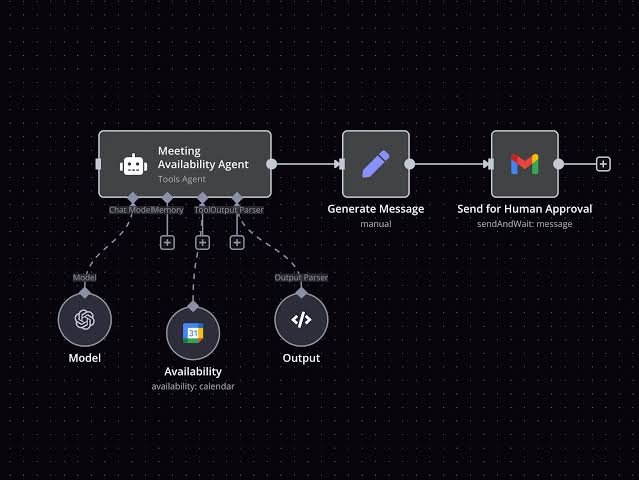 Skills Business Automation in Kenya: How to Build Smart Systems Using n8n, APIs and AI
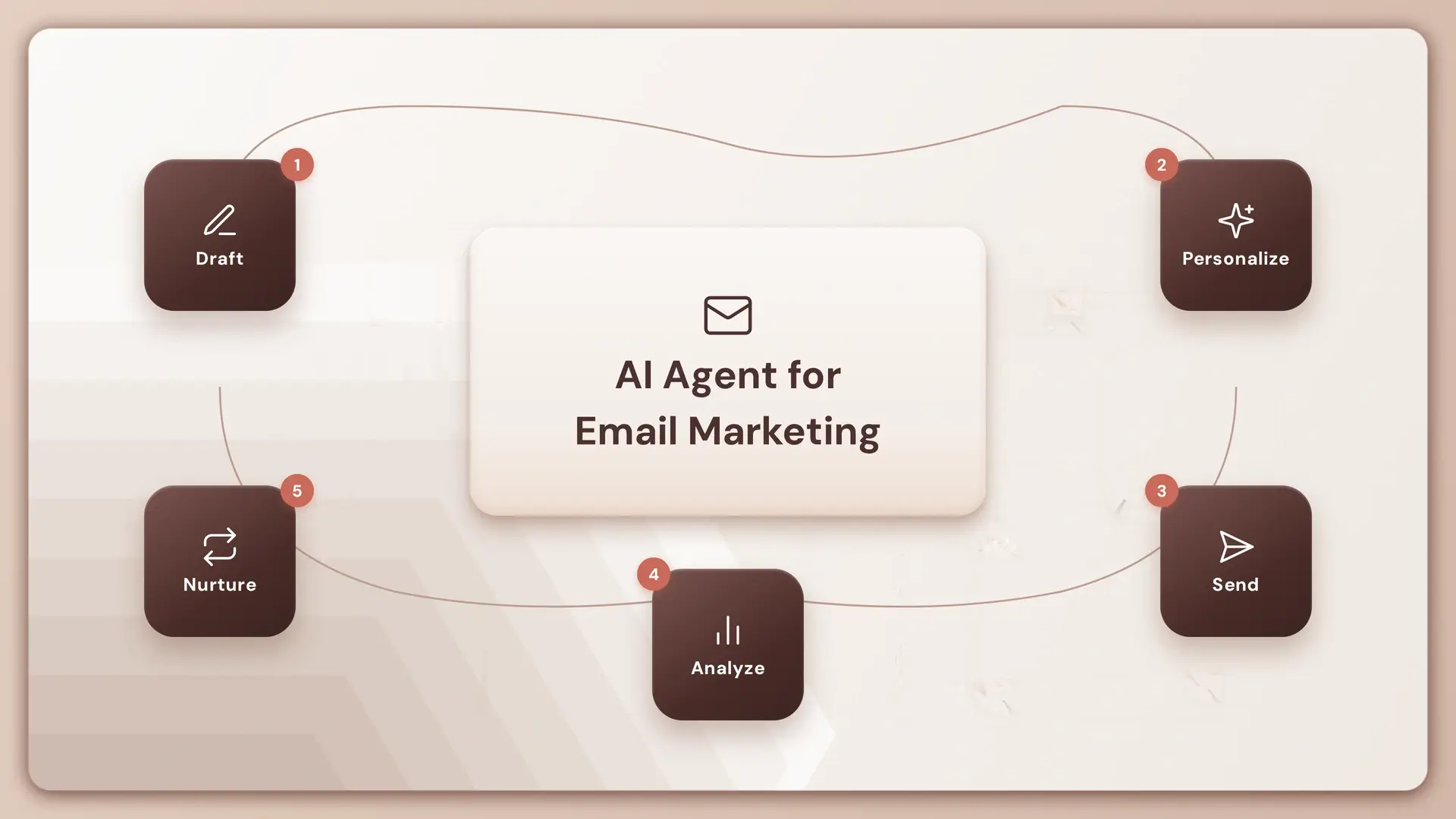 Skills AI Agents for Business Automation: Automate Emails, Slack Messages and Daily Tasks
 Skills JavaScript API Integration: Learn to Connect Websites, Applications and Business Systems
 Skills Python API Integration in Kenya: Learn to Connect Applications and Automate Tasks
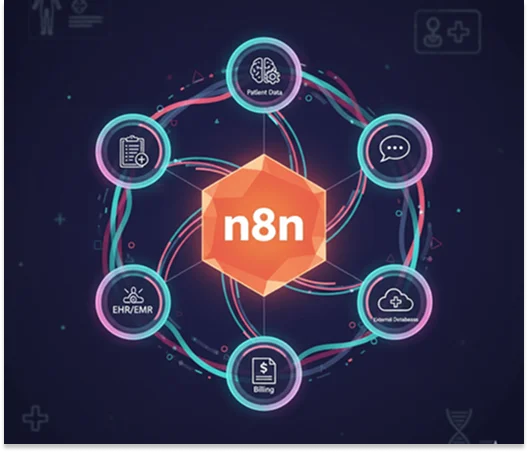 Skills Learn n8n Automation in Kenya: Connect Apps and Automate Business Workflows
 Skills Workflow Automation in Kenya: Understand Triggers, Actions and How Automation Works
 Skills Software Engineering Courses in Kenya: Learn Software Development at DAZU Training Institute
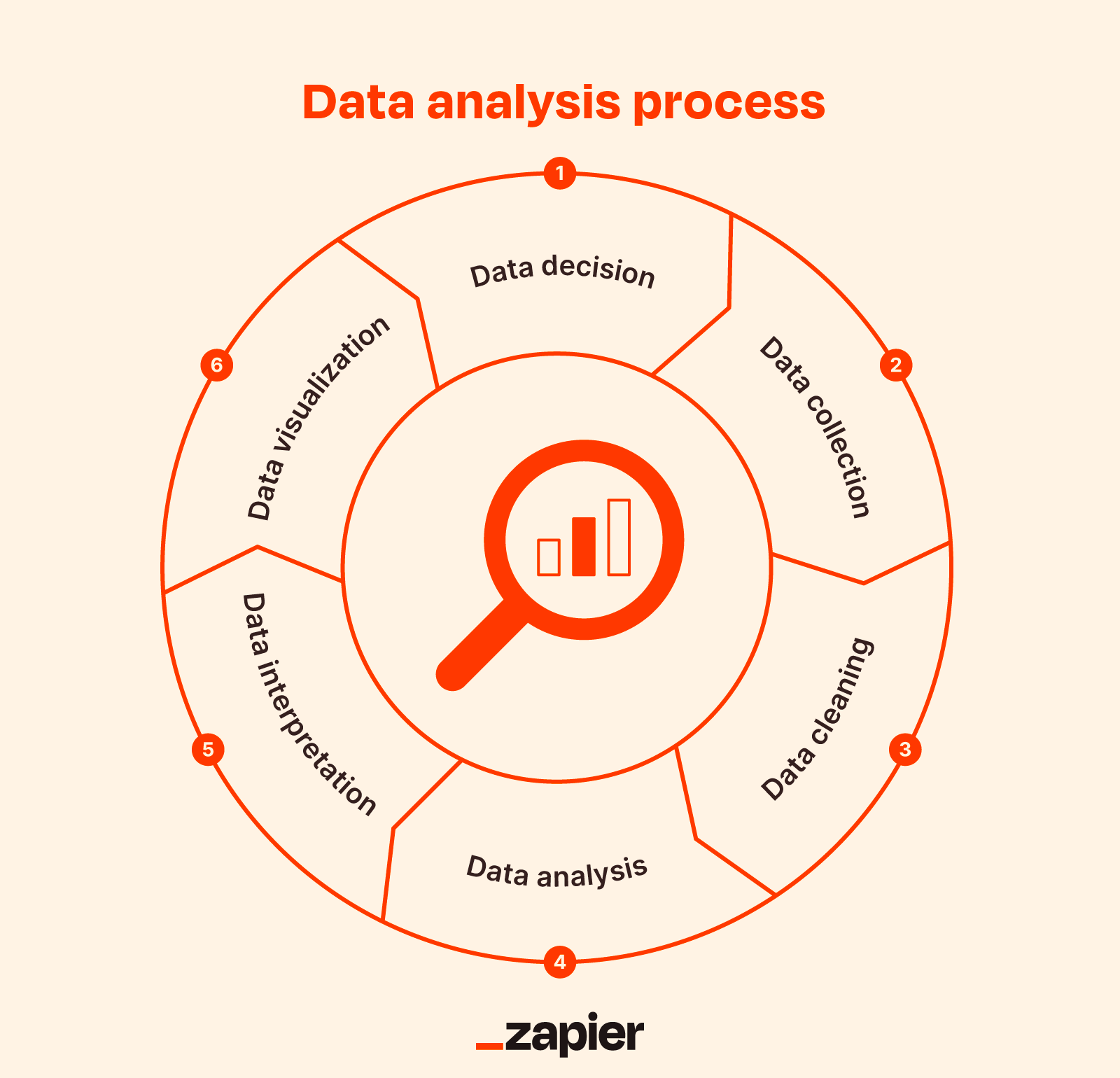 Skills Data Analysis Courses in Kenya: Learn Excel and Power BI at DAZU Training Institute
You might also like
 security What is Cybersecurity? A Complete Guide for Beginners
Nov 16, 2026
 software development Software Engineering Course in Thika: Build Real Skills, Real Projects, Real Career Opportunities
Nov 13, 2026
 beauty el Nails, Acrylic Nails and Nail Art: Which Skills Should You Learn?
Nov 13, 2026
 beauty Beauty Skills You Can Learn and Turn Into a Profitable Business in Kenya
Nov 13, 2026
 beauty Manicure and Pedicure Course in Kenya: Everything You Need to Know
Nov 13, 2026
 beauty : How to Become a Professional Nail Technician in Kenya
Nov 13, 2026